Unlocking the Gut’s Neural Highway: The Surprising Role of Vagus Nerve Stimulation in Gut Healing and Chronic Digestive Management
The intricate connection between the brain and the gut, often referred to as the “gut-brain axis,” has emerged as a focal point in understanding overall health and well-being. A central player in this complex network is the vagus nerve, a critical component of the parasympathetic nervous system that extends from the brainstem to various organs, including the heart, lungs, and gut. Often described as the body’s neural highway, the vagus nerve plays a significant role in numerous bodily functions, particularly in modulating digestive processes and maintaining homeostasis.
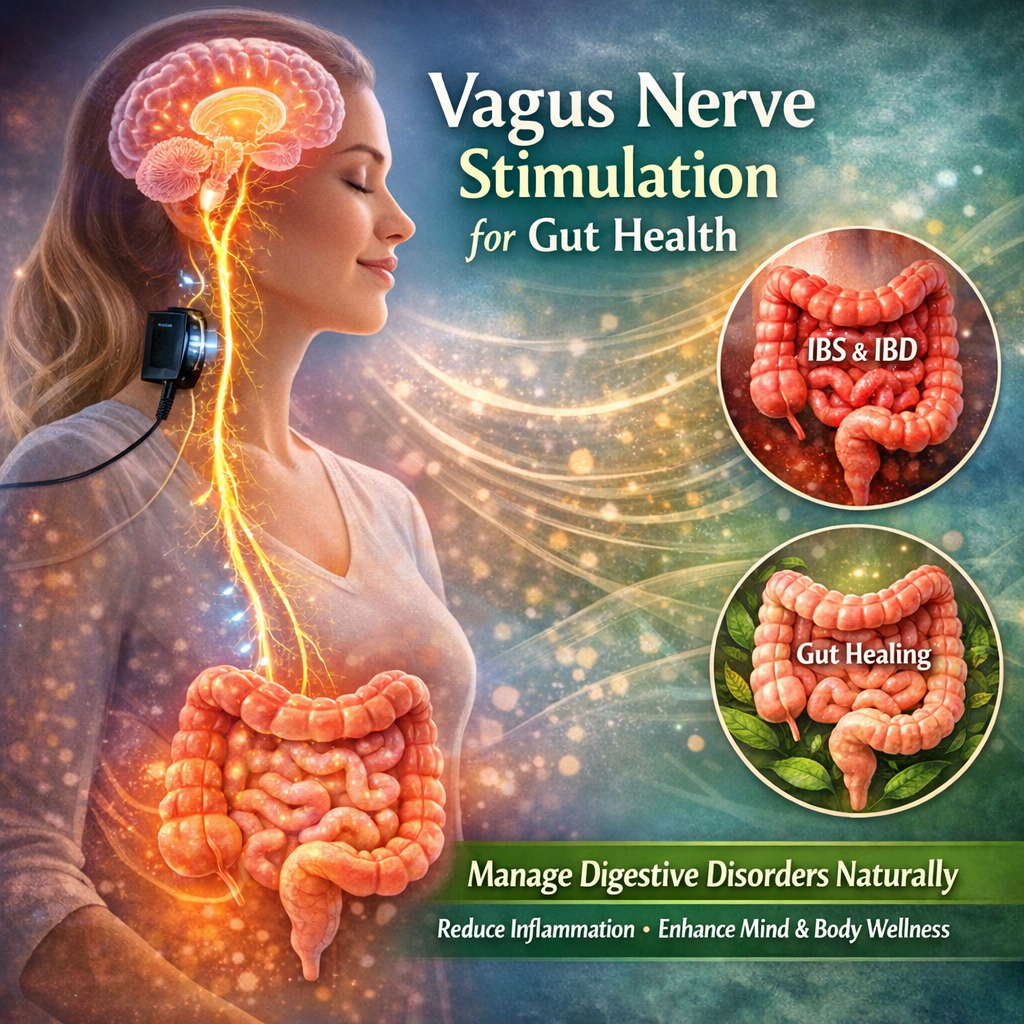
Recent interest in natural and holistic health approaches has led to the exploration of vagus nerve stimulation (VNS) as a potent tool for enhancing gut health. This non-invasive technique involves stimulating the vagus nerve with the aim of improving digestive disorders and promoting healing in the gut. While VNS is not a new concept—it has been used for years in treating epilepsy and depression—its application in the realm of digestive health is gaining traction. The gut’s vast network of neurons, sometimes referred to as the “second brain,” communicates closely with the brain via the vagus nerve. By sending signals between the gut and the brain, this nerve helps regulate vital digestive functions such as enzyme secretion, gut motility, and inflammation control.
Chronic digestive conditions, such as irritable bowel syndrome (IBS), inflammatory bowel disease (IBD), and gastroesophageal reflux disease (GERD), have been linked to dysregulation within the gut-brain axis. Stress, inflammation, and poor diet disrupt this delicate balance, leading to a variety of symptoms including bloating, pain, and irregular bowel movements. Vagus nerve stimulation offers a promising avenue for addressing these issues by leveraging the body’s intrinsic healing capabilities. Through consistent stimulation, either through lifestyle modifications, behavioral strategies, or devices specifically designed for VNS, patients have reported improvements in symptoms and a greater sense of well-being.
As interest in alternative treatments for chronic digestive disorders rises, understanding the significance of the vagus nerve and how to stimulate it naturally could open doors to effective management strategies. This article delves into the groundbreaking research surrounding VNS and the profound impact it can have on gut health, highlighting its potential as a powerful tool in the management of chronic digestive issues.
Features: Professional and Medical Studies
Scientific research has revealed the multifaceted role of the vagus nerve in digestive health. A study published in *Frontiers in Neuroscience* explored the therapeutic potential of vagus nerve stimulation in gastrointestinal disorders, noting its capacity to modulate inflammation and gastrointestinal motility. The researchers found that electrical stimulation of the vagus nerve could significantly decrease inflammatory cytokines, which are notorious for exacerbating conditions like IBD and IBS. By mitigating inflammation, VNS can help restore a healthy gut environment, reduce symptoms, and enhance the quality of life for sufferers of chronic digestive diseases.
Further studies have shown that VNS can influence the production of neurotransmitters, such as acetylcholine, which play a critical role in the gut-brain axis. A study highlighted in *Clinical Science* demonstrated that vagus nerve stimulation could enhance the cholinergic anti-inflammatory pathway, a neural circuit that dampens inflammation. This finding suggests that VNS not only regulates gut function but also has systemic benefits, potentially impacting mental health by reducing anxiety and depression symptoms commonly associated with chronic digestive conditions.
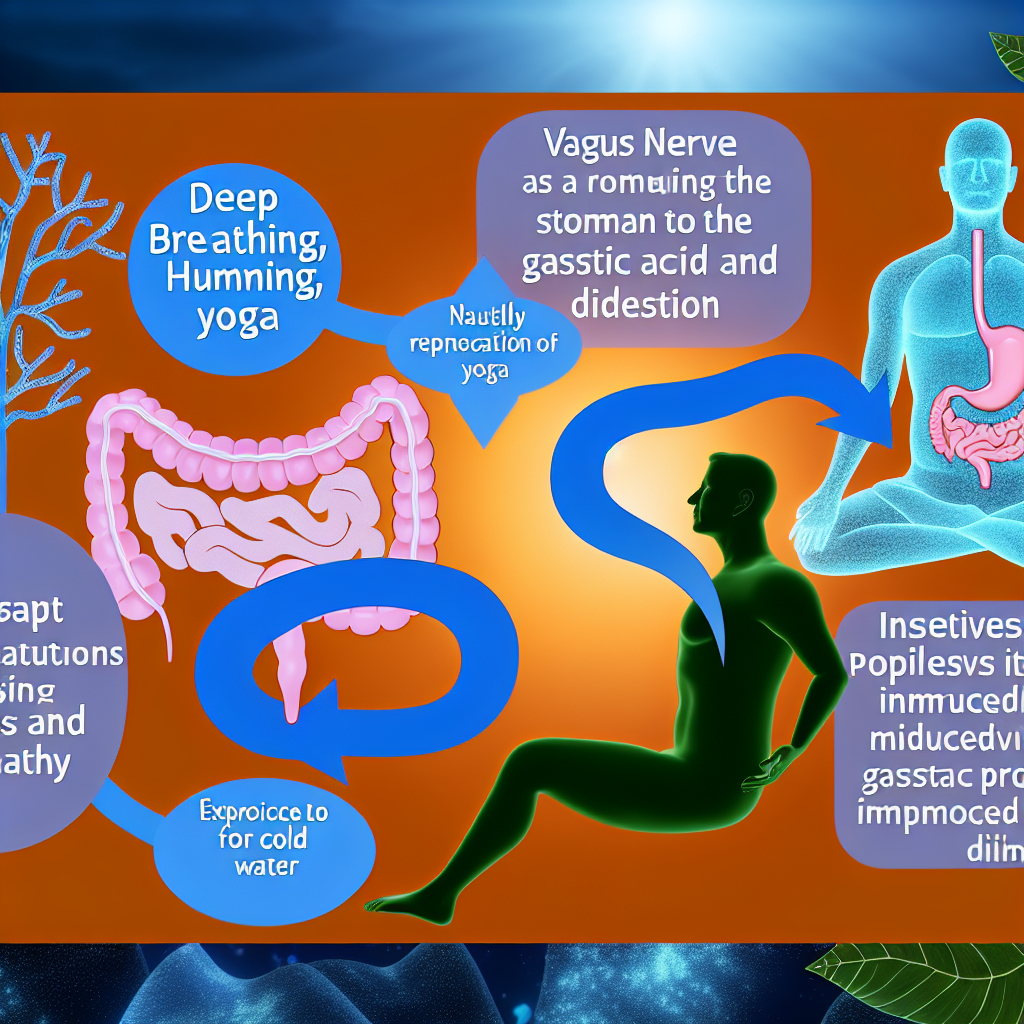
Another compelling study conducted by the National Institute of Health analyzed the non-invasive methods of applying VNS and their efficacy in improving digestive health. The research focused on techniques such as deep breathing, meditation, cold exposure, and yoga, which are practical and accessible ways to enhance vagal tone. These lifestyle practices have shown promising results in both boosting parasympathetic activation and fostering a harmonious gut environment, making them excellent complementary strategies to traditional treatments for digestive disorders.
These emerging studies underscore the value of VNS as a viable, holistic treatment option for those seeking alternative approaches to managing chronic gut issues. By harnessing the power of the vagus nerve, there is potential for substantial improvements in digestive health, which may transform the approach to managing conditions that currently cause patients significant distress.
Conclusion
In conclusion, the role of the vagus nerve in gut health is far more significant than previously understood, offering new pathways for naturally managing chronic digestive disorders. Through vagus nerve stimulation, whether via medical devices or lifestyle modifications such as meditation and breathing exercises, individuals can tap into the body’s innate healing abilities. As research continues to uncover these connections, vagus nerve stimulation stands out as a promising, non-pharmacological strategy for enhancing gut health and improving quality of life for those struggling with chronic digestive conditions. Exploring these insights grants us the opportunity to rethink our approach to digestive health, emphasizing balance and the body’s profound self-regulatory capabilities.
Concise Summary
The vagus nerve, integral to the gut-brain axis, shows promise in managing chronic digestive disorders through vagus nerve stimulation (VNS). Research highlights VNS’s ability to modulate inflammation, enhance digestive health, and improve mental well-being. Studies suggest non-invasive methods, such as meditation and yoga, can boost VNS, offering a holistic treatment for conditions like IBS and IBD. As interest in non-pharmacological solutions grows, harnessing the healing power of the vagus nerve could revolutionize digestive health management, emphasizing body balance and self-regulation in enhancing quality of life.