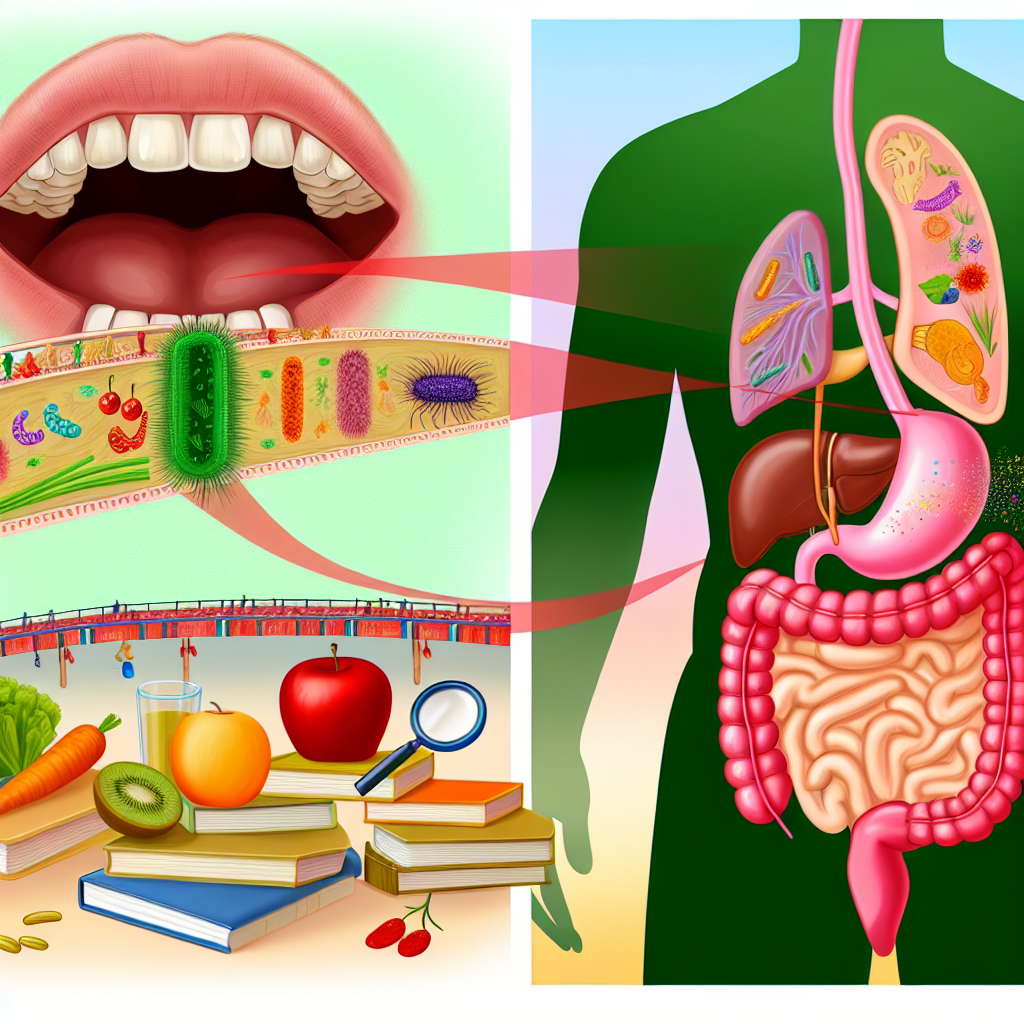
Understanding the Gut Microbiome’s Role
The human gut is a bustling metropolis of microorganisms, including bacteria, viruses, and fungi, collectively referred to as the gut microbiome. This ecosystem does much more than aid in digestion—it plays a pivotal role in regulating immune responses and maintaining overall health. Increasingly, scientists are uncovering evidence that disturbances in gut health, often caused by factors such as diet, stress, and medications, can lead to immune dysregulation and autoimmune diseases.
The Impact of Autoimmune Disorders
Autoimmune disorders, characterized by the immune system’s attack on its tissues, affect millions worldwide. Conditions such as rheumatoid arthritis (RA), lupus, and multiple sclerosis (MS) are not only debilitating but also lack definitive cures. Emerging research suggests that the gut-immune axis—a complex interaction between the gut microbiome and immune system—might hold the key to understanding and potentially mitigating these diseases.
Introduction to Gut Health and Immunity
This article delves into the mechanisms linking gut health to autoimmune diseases, highlights groundbreaking research, and explores how lifestyle changes can promote a healthier gut and balanced immune system.
Key Mechanisms of Gut-Immune Connection
The gut plays a central role in immune system regulation, acting as both a barrier and a training ground for immune cells. Key mechanisms include:
The Role of Gut Barrier
The intestinal lining is a selective barrier that allows nutrients to pass while blocking harmful pathogens. When this barrier is compromised, a condition known as “leaky gut,” bacterial byproducts and toxins can enter the bloodstream, triggering immune responses that may lead to conditions like RA and lupus.
Immune System Education
The gut microbiome educates immune cells, helping them differentiate between harmless antigens and harmful pathogens. Dysbiosis, an imbalance in gut bacteria, disrupts this process, potentially causing immune cells to misidentify healthy tissues as threats.
Understanding Chronic Inflammation
A healthy gut microbiome helps regulate inflammation, a natural immune response. However, an imbalanced microbiome can lead to chronic low-grade inflammation, a hallmark of autoimmune diseases such as IBD and MS.
Recent Research Developments
Recent studies have provided compelling evidence of the gut-immune connection in autoimmune disorders:
Advances in Rheumatoid Arthritis Research
A 2021 study in Nature Medicine identified a unique gut microbiome profile in RA patients. Researchers discovered that these individuals had reduced levels of Faecalibacterium prausnitzii, a bacterium with anti-inflammatory properties, suggesting its potential role in disease progression.
Discoveries in Lupus Research
A 2019 study in Science Translational Medicine explored the gut microbiome of lupus patients and found increased permeability in their gut barriers. This allowed microbial antigens to enter the bloodstream, activating an autoimmune response. Researchers are now investigating whether repairing the gut barrier could reduce lupus flares.
Multiple Sclerosis Breakthroughs
In a 2020 clinical trial published in Neurology, patients with MS who received specific probiotic strains showed a reduction in disease activity. This supports the hypothesis that microbiome modulation may influence immune responses and disease progression.
IBD Research Findings
A meta-analysis in Gut Microbes (2022) concluded that dysbiosis often precedes IBD onset. The study highlighted the therapeutic potential of probiotics and prebiotics in restoring gut balance and reducing inflammation.
Strategies for Gut Health
While research continues to explore the gut-autoimmune link, several evidence-based strategies can help support a healthy gut and balanced immune system:
Benefits of a Fiber-Rich Diet
Consuming a variety of fruits, vegetables, and whole grains promotes a diverse gut microbiome, which is crucial for immune regulation. A 2022 study in The American Journal of Clinical Nutrition showed that a high-fiber diet significantly reduced markers of inflammation in RA patients.
The Role of Fermented Foods
Incorporating foods like yogurt, kefir, and kimchi can enhance gut microbial diversity. Clinical trials have shown that specific probiotic strains can reduce disease activity in autoimmune conditions like MS and IBD.
Impact of Stress Management
Chronic stress negatively impacts the gut microbiome and exacerbates inflammation. Practices such as yoga and meditation can help mitigate stress effects on gut health.
Importance of Sleep Patterns
Poor sleep disrupts gut health and immune function. Research published in Sleep Medicine (2021) found that individuals with autoimmune diseases benefited from improved sleep hygiene, which helped restore gut balance.
Future Implications
The gut-immune axis is a complex and promising area of research, offering hope for new approaches to understanding and managing autoimmune diseases. By fostering a healthy gut through dietary and lifestyle changes, individuals can support their immune system and reduce the risk of chronic inflammation.
Research Outlook
Though much remains to be discovered, the current evidence highlights the gut microbiome’s central role in immune regulation. As scientific advancements in microbiome research continue, targeted therapies and personalized interventions could revolutionize the treatment of autoimmune diseases, bringing hope to millions.
References
Liu, X., et al. (2021). “Gut microbiota and rheumatoid arthritis.” Nature Medicine.
Arrieta, M. C., et al. (2019). “Leaky gut in lupus: Mechanisms and interventions.” Science Translational Medicine.
Berer, K., et al. (2020). “Probiotic effects on multiple sclerosis progression.” Neurology.
Costello, S. P., et al. (2022). “Dysbiosis in inflammatory bowel disease.” Gut Microbes.
Smith, L. P., et al. (2021). “Sleep and gut microbiome in autoimmune conditions.” Sleep Medicine.