Uncharted Pathways: Decoding the Gut’s Master Switch for Total Body Wellness
Introduction
In recent years, the intricate connections between gut health and overall body wellness have gained substantial attention. The gut, often referred to as the “second brain,” plays a pivotal role in not only digestion but also in maintaining a robust immune system, a balanced mood, and optimal mental health. The gut microbiome, which consists of trillions of bacteria, viruses, and fungi, functions as a master switch, influencing various bodily processes.
Understanding the gut microbiome’s complexity sheds light on how these microscopic entities impact everything from nutrient absorption and inflammation to hormone regulation and immune response. The delicate balance of beneficial versus harmful micro-organisms within the gut can tip the scales towards health or disease, offering a promising exploration of natural and herbal treatments.
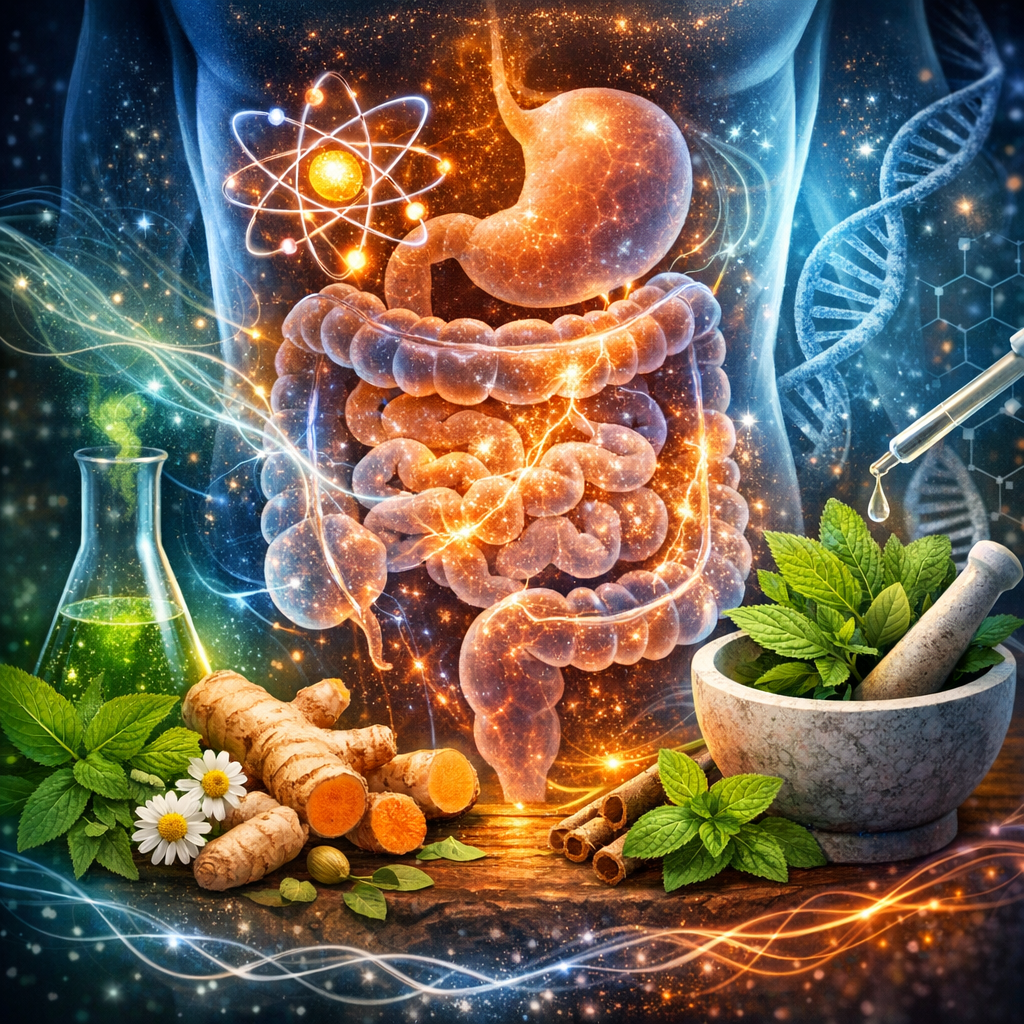
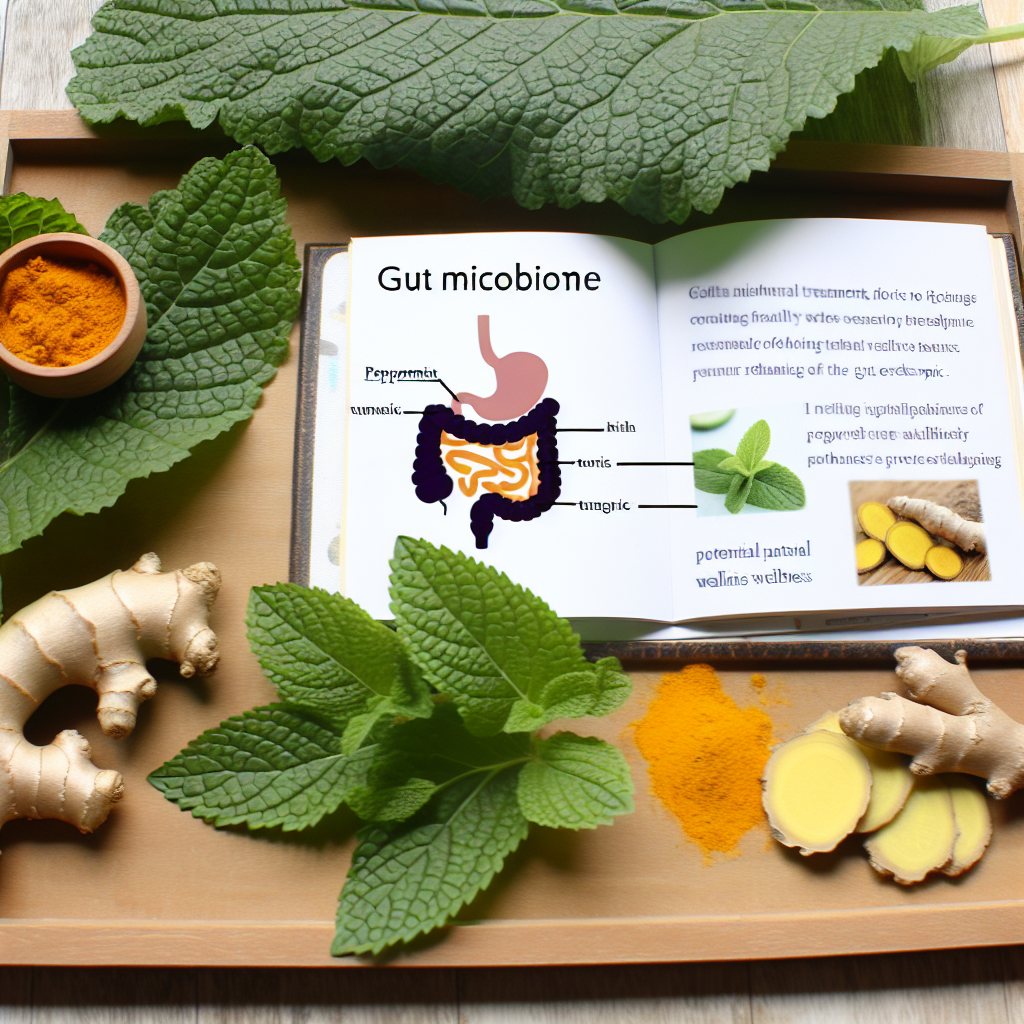
Natural cures and herbal treatments have long been of interest for those seeking effective alternatives to pharmaceutical interventions. With the rising prevalence of gut-related disorders such as Irritable Bowel Syndrome (IBS), Crohn’s Disease, and general digestive discomfort, a surge of studies are championing herbal remedies as potential solutions. Herbs such as ginger, turmeric, and peppermint have been traditionally revered for their anti-inflammatory, antimicrobial, and soothing properties.
The promise of herbal remedies lies not only in their potential to alleviate symptoms but in their ability to restore the gut’s harmony, reinforcing its role as a linchpin for total body wellness. Scientific inquiries are increasingly pointing to the therapeutic potential of herbs in modulating the gut microbiome, providing a natural roadmap for individuals aiming to enhance their gut health.
This article delves into the uncharted pathways of gut health, decoding its master switch as a gateway to total wellness. It explores the latest research on how herbal treatments can forge a path towards restoring balance within the gut microbiome, ultimately optimizing overall health. Additionally, emerging approaches such as personalized nutrition and microbiome profiling are being explored to tailor gut health interventions specifically.
Features
Emerging studies highlight the relationship between gut health and systemic wellness, underlining the gut microbiome’s pivotal role. For example, research published in the journal [*Nature*](https://www.nature.com/articles/nature11552) discusses how the gut microbiome influences inflammatory and metabolic pathways, which can significantly affect conditions such as obesity, diabetes, and inflammatory bowel disease.
A significant study in [*Cell Host & Microbe*](https://www.cell.com/cell-host-microbe/fulltext/S1931-3128(19)30098-X) outlined how the diversity and composition of the gut microbiota directly impact immune function and inflammation. When the microbiome is disrupted, it can lead to dysbiosis, a key driver of many chronic conditions. Hence, maintaining a balanced microbial ecosystem is crucial.
One of the most compelling revelations in gut health research is the potential for herbal treatments to modulate this microbiome. Peppermint oil, often used for its soothing effect on digestive issues, has been shown to mitigate symptoms of IBS by interfering with calcium channels in the gut, reducing spasms and discomfort ([source](https://journals.sagepub.com/doi/10.1177/147323001003800323)).
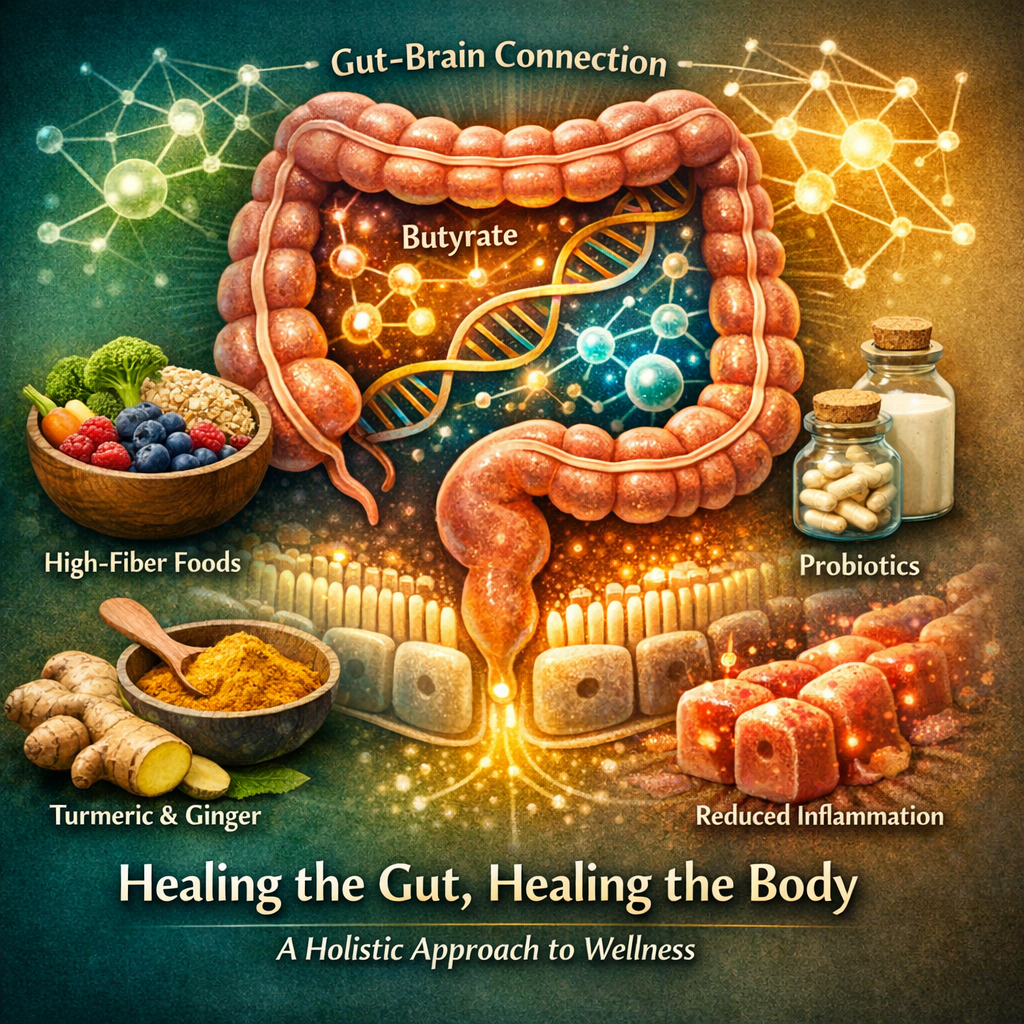
Further, turmeric, with its active compound curcumin, has demonstrated anti-inflammatory and antioxidant effects that can benefit gut health. A study in the [*Journal of Clinical Medicine*](https://www.mdpi.com/2077-0383/9/9/2750) studied curcumin’s ability to positively alter gut microbiota, promoting the growth of beneficial bacteria.
Ginger, renowned for its anti-nausea properties, has similarly been associated with enhancing digestion and reducing inflammation. A paper in [*Food & Function*](https://pubs.rsc.org/en/content/articlehtml/2019/fo/c8fo01796k) demonstrated that ginger supplementation improved digestive enzyme activity and modulated gut microbiota composition.
Collectively, these herbal treatments underscore a promising frontier in gut health management, offering not only symptom relief but a holistic approach to rebalancing the body’s systems through natural means. Advances in genetic sequencing and bioinformatics are also unlocking new ways to study these interactions and tailor interventions more precisely.
Conclusion
As we continue to unravel the complexities of the gut microbiome, understanding its role as a central switch to overall wellness becomes increasingly evident. The body of research supporting natural and herbal interventions for gut health is growing, offering hopeful pathways for those seeking alternative remedies. By utilizing the therapeutic properties of herbs such as peppermint, turmeric, and ginger, individuals can empower themselves to foster a balanced gut ecosystem. Indeed, such natural interventions hold potential not merely for digestive health, but for enhancing systemic wellness. Embracing an integrative approach to health can unlock new realms of understanding, allowing us to fine-tune our body’s master switches for a more vibrant, balanced life.
### Concise Summary
The gut microbiome, a complex community of trillions of microorganisms, is pivotal for digestion, immunity, and mental health. Recent studies highlight the potential of natural and herbal remedies like peppermint, turmeric, and ginger in enhancing gut health by modulating the microbiome. These herbs offer promising non-pharmaceutical alternatives for managing gut-related disorders and achieving overall wellness. Ongoing research continues to shed light on the gut’s role as a central switch for total body wellness, suggesting integrative approaches as effective pathways toward a balanced, healthy life.