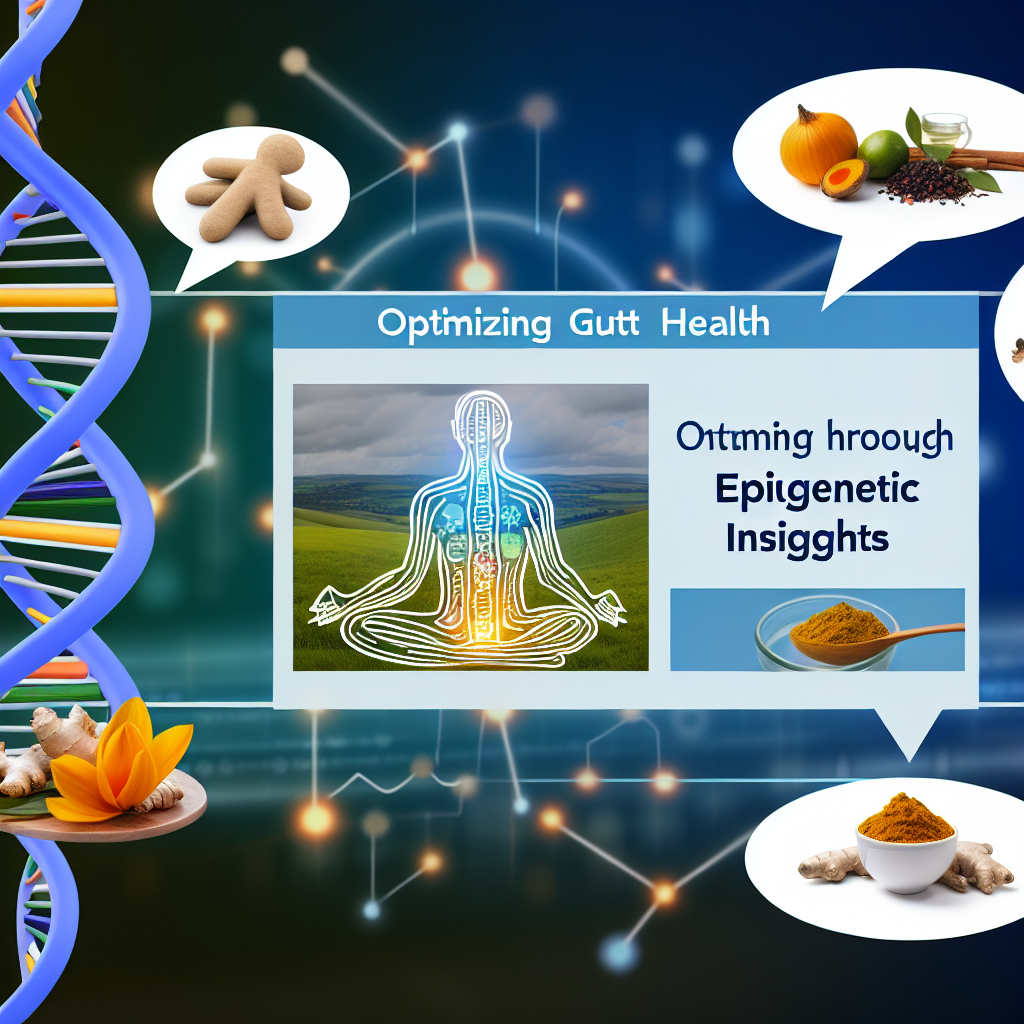
Harnessing Epigenetic Insights for Cutting-Edge Gut Health Protocols
Introduction
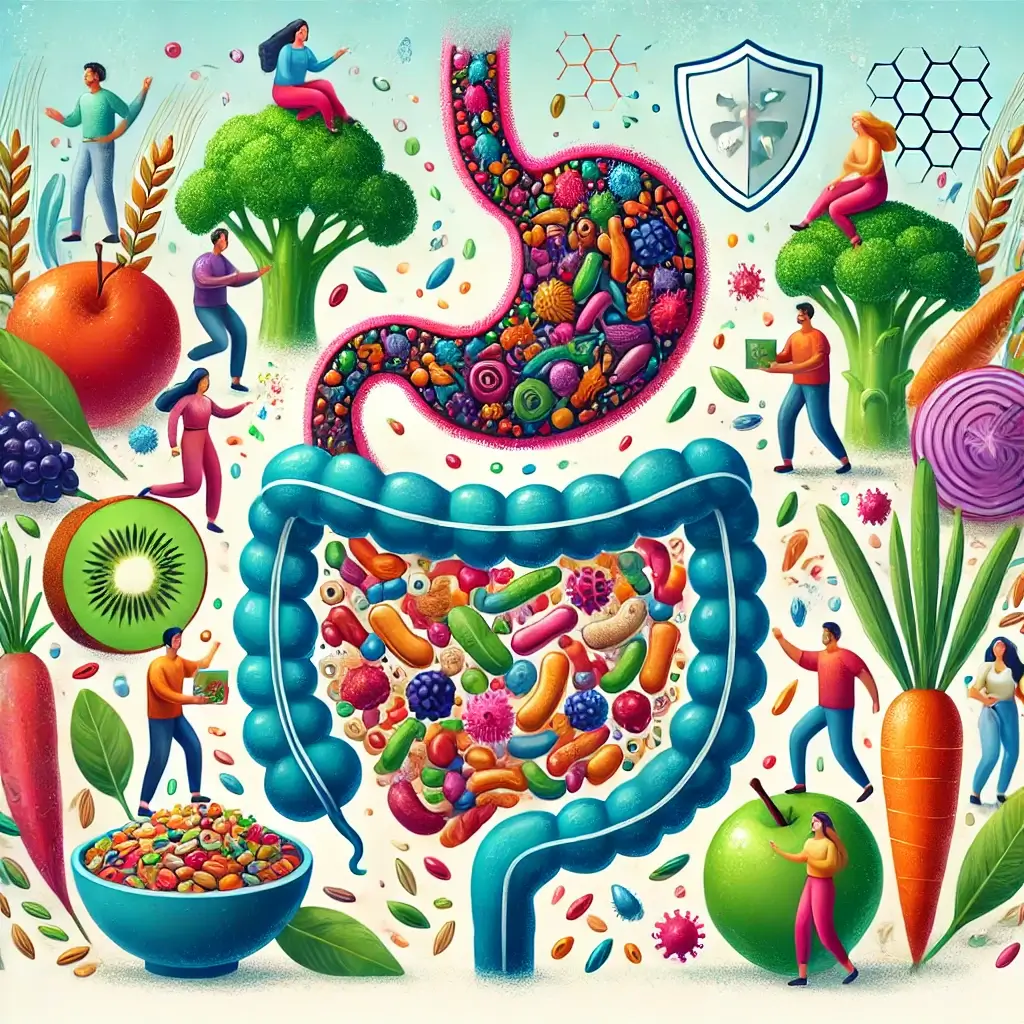
In recent years, the significance of gut health has gained increased attention, transcending beyond basic digestion. The gut, often referred to as the “second brain,” plays a fundamental role in overall health, influencing everything from immune function to mental well-being. This rise in focus has led researchers and health enthusiasts to explore innovative methodologies for nurturing gut health, among which epigenetics stands as a groundbreaking frontier. Epigenetics, the study of changes in gene expression that do not involve alterations to the underlying DNA sequence, has unveiled new paradigms in understanding how our lifestyle choices, environment, and even our thoughts can impact our genetic predispositions.
The epigenome, acting as a collection of chemical compounds that instruct the genome what to do, reveals that genes are not our destiny. Diet, stress management, exercise, and exposure to toxins can all imprint marks on the epigenome, thus modulating gene expression. This understanding has profound implications for gut health, suggesting that we can optimize gut function through targeted lifestyle interventions.
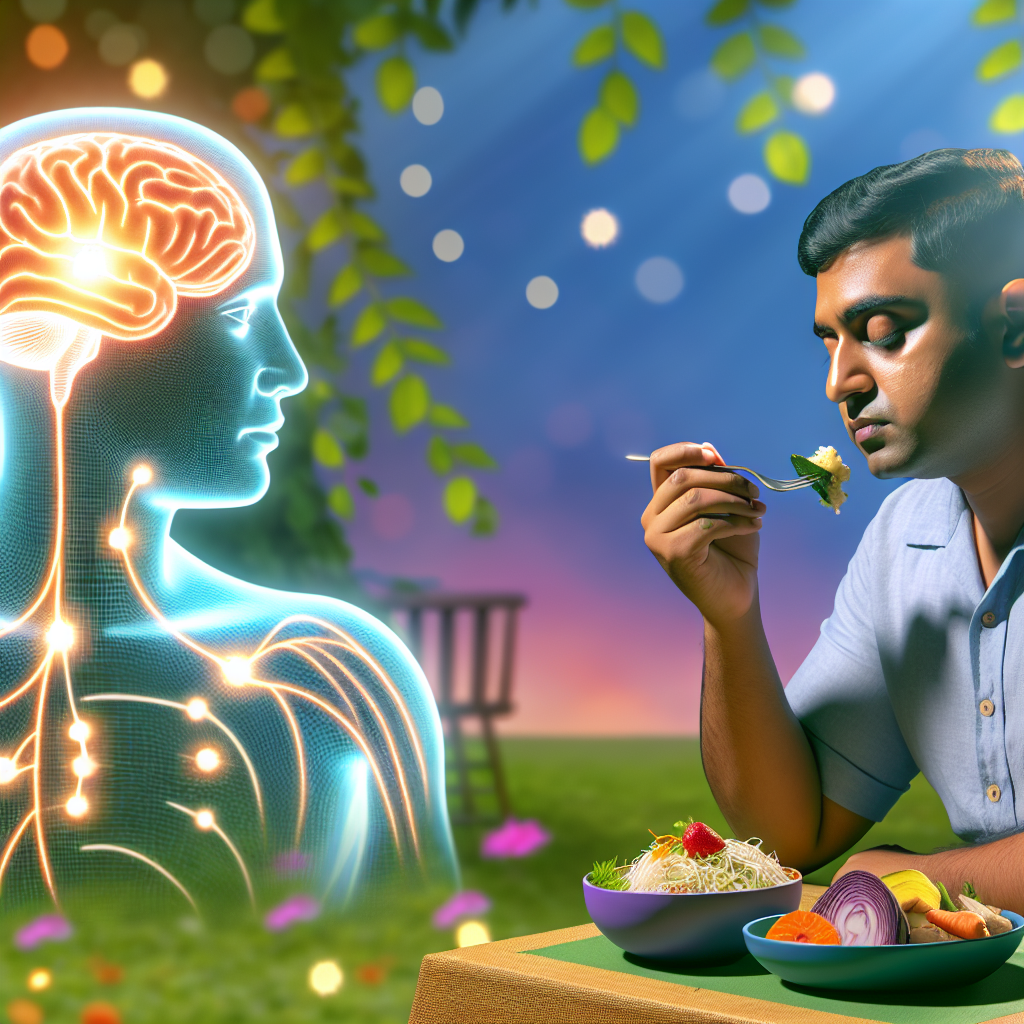
Among the key lifestyle modifications, nutrition remains paramount. Probiotic-rich foods, prebiotic fibers, and strategic use of herbal treatments can steer the gut microbiome towards a healthy equilibrium. Techniques steeped in epigenetics foster resilience by enhancing microbial diversity and reducing inflammation. Moreover, stress reduction techniques such as mindfulness and meditation can also epigenetically modulate gut health by dampening the stress-response pathways that negatively impact the gut-brain axis.
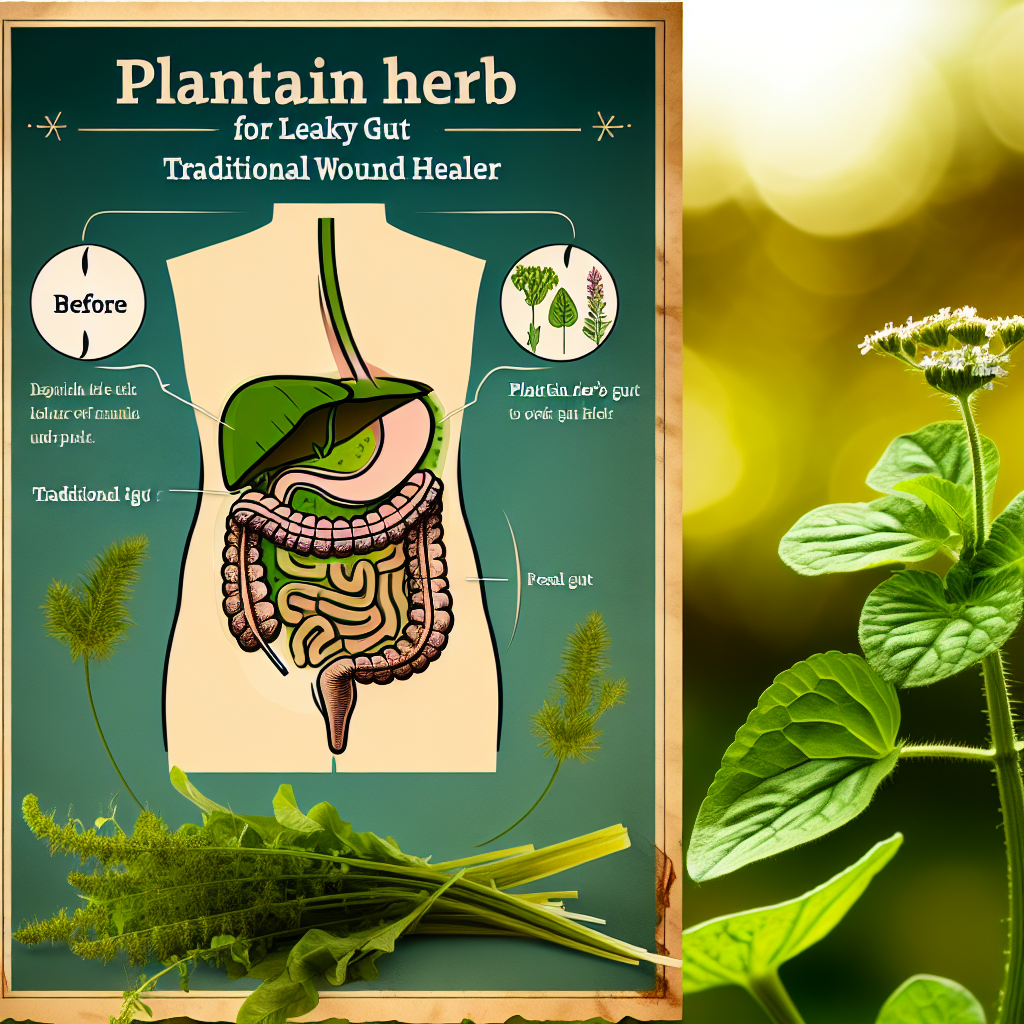
Herbs such as turmeric, ginger, and licorice root offer potent epigenetic advantages, serving as natural modulators of inflammation and oxidative stress. These herbs have been shown to alter histone modifications and DNA methylation patterns, both of which are critical in the regulation of gene expression. By evaluating these natural agents through an epigenetic lens, individuals can tailor their gut health protocols to align more closely with their unique genetic and environmental context.
Harnessing epigenetic insights for gut health not only offers a natural and personalized approach but also empowers individuals to reclaim control over their wellbeing. By delving into how epigenetic mechanisms can be influenced by diet, stress, and herbal treatments, we pave the way for cutting-edge, integrative therapies that harmonize with our biological predispositions.
Features
Epigenetic research has illuminated several key pathways through which lifestyle and dietary interventions can influence gut health. A pivotal study published in Nature Reviews Molecular Cell Biology highlights how gut microbiota can impact host epigenetics, altering gene expression with implications for health and disease ([Nature Reviews Molecular Cell Biology](https://www.nature.com/nrm/article)). This symbiotic relationship underscores the importance of a balanced gut microbiome for maintaining optimal genetic function.
Further research in the journal *Science* indicates that specific dietary components can yield epigenetic effects that promote gut health. For example, polyphenols, found in foods such as berries and green tea, are shown to modify histone acetylation, leading to anti-inflammatory and antioxidative outcomes beneficial for the gut ([Science](https://www.science.org/journal)). Polyphenols’ ability to modulate gut microbiota composition adds another layer to their epigenetic impact.
A landmark study in *The Journal of Nutrition* investigated the role of turmeric’s active compound, curcumin, in gut health. Curcumin has been found to influence DNA methylation and histone modifications, leading to reduced inflammation and enhanced gut barrier function ([The Journal of Nutrition](https://academic.oup.com/jn)). This research corroborates the use of turmeric as an epigenetic tool for gut health.
Another crucial area of exploration is the stress-gut connection. Stress has been known to disrupt the gut microbiome, with epigenetic changes facilitating this process. A study published in *Psychoneuroendocrinology* demonstrates how mindfulness and stress-reducing practices can alter gene expression related to inflammation and gut permeability, highlighting non-dietary avenues to enhance gut health epigenetically ([Psychoneuroendocrinology](https://www.journals.elsevier.com/psychoneuroendocrinology)).
These scientific insights collectively support the hypothesis that leveraging epigenetic information allows for the development of highly personalized and effective protocols for gut health. By integrating dietary strategies, herbal treatments, and stress management, we can feasibly influence our genetic expressions in favor of improved gut function.
Conclusion
The intersection of epigenetics and gut health is a burgeoning field promising innovative approaches to wellness. By understanding and harnessing the power of epigenetics, individuals can take proactive steps towards optimizing their gut health through personalized lifestyle interventions. Emphasizing a balanced diet rich in anti-inflammatory and epigenetically active compounds, alongside stress management techniques, enables a holistic approach to fostering a healthy gut. As research in this realm continues to evolve, it will unveil even more refined and personalized avenues to enhance gut health naturally, placing the power of wellness firmly in our hands.
Concise Summary:
The article explores the impact of epigenetics on gut health, highlighting how factors like diet, stress, and herbal treatments can modulate gene expression and improve gut function. Studies reveal components such as polyphenols in foods, and herbs including turmeric have epigenetic effects that benefit the gut. Moreover, stress reduction techniques can also positively influence gut health. By leveraging these insights, individuals can create personalized wellness protocols that enhance microbial diversity and reduce inflammation, paving the way for innovative and natural approaches to gut health.