Gut Microbiome Biohacking: Leveraging AI for Personalized Healing Protocols
The intricate ecosystem of microorganisms residing in our intestines, known as the gut microbiome, plays a pivotal role in our overall health. Scientists have long understood that our gut is integral to various bodily functions, influencing everything from digestion and immunity to mental health and chronic diseases. Although traditional methods have offered some insights into managing gut health, the intersection of artificial intelligence (AI) and biohacking is opening new doors for personalized, data-driven solutions.
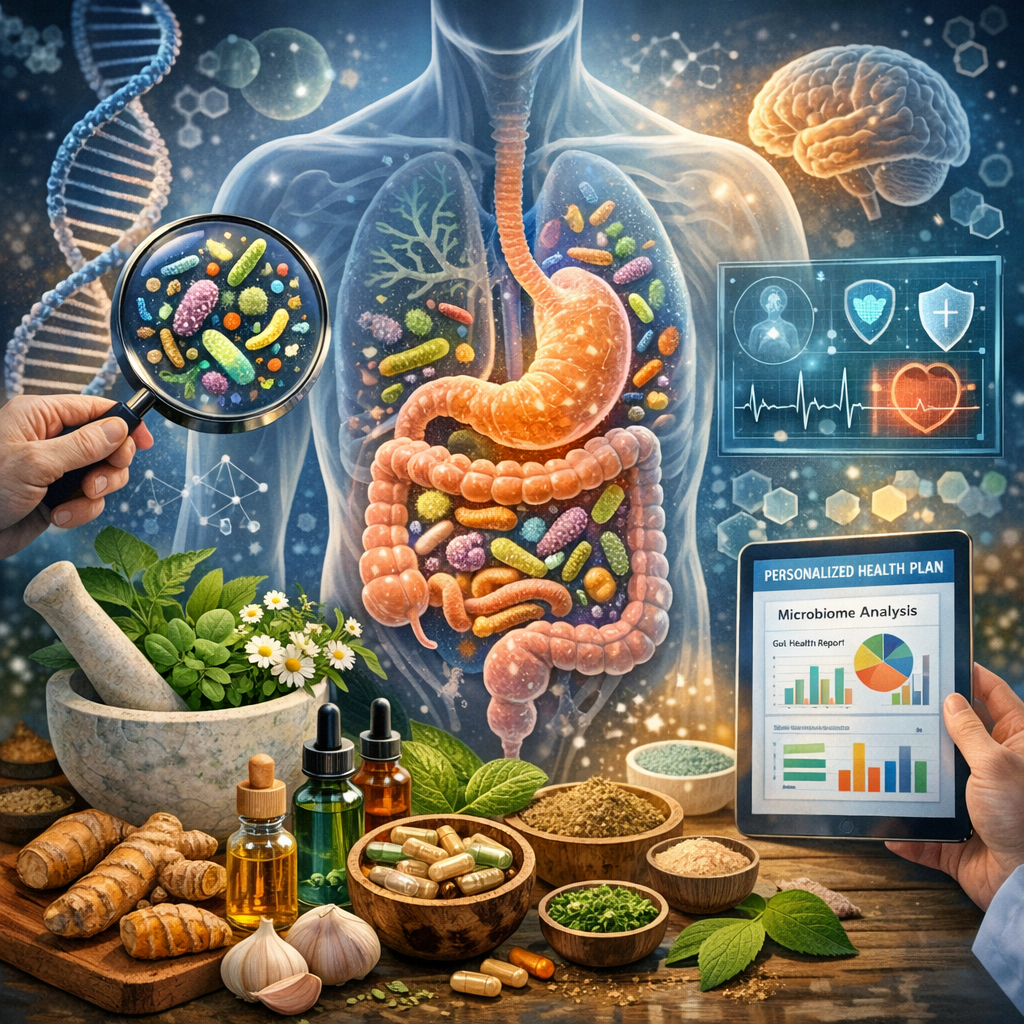
Biohacking involves the strategic modification of one’s biology to optimize health. When it comes to gut health, this means incorporating dietary changes, supplements, and lifestyle adjustments specific to one’s unique microbiome. Enter AI—its ability to analyze complex data sets fuels a deeper understanding of how these microorganisms influence our health. AI-driven technologies can assess an individual’s gut microbiome with unprecedented accuracy, identifying imbalances and potential targets for intervention. Through comprehensive analysis of gut flora and genetic predispositions, AI provides a bespoke plan to enhance gut health naturally.
One of the significant advantages of AI-based gut biohacking is its ability to process enormous volumes of data, far beyond human capability. By examining patterns in gut composition and linking them to health outcomes, AI can highlight specific probiotics, prebiotics, and dietary changes that can effectively rebalance the microbiome. Unlike traditional approaches, this method offers high precision, potentially leading to better and faster results.
Features
Recent studies have demonstrated AI’s transformative potential in understanding and managing the gut microbiome. A 2020 study by the Stanford Microbiome Therapies Initiative discovered that machine-learning algorithms could predict responses to dietary changes tailored to individual gut compositions. This research underscores AI’s potential to guide personalized nutrition strategies, optimizing gut health outcomes more effectively than generalized dietary advice.
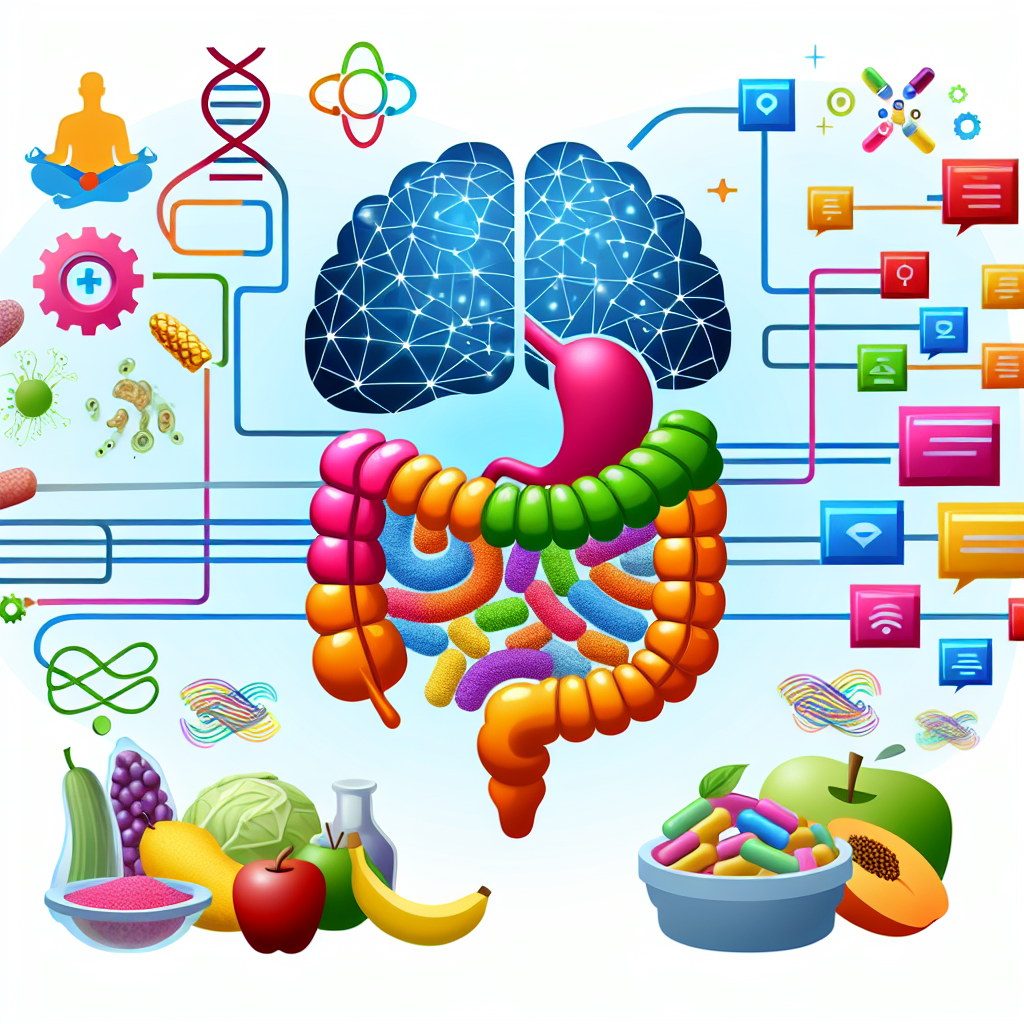
Additionally, a 2022 study published in Nature Medicine utilized AI to unveil the relationship between gut microbiota and mental health. This research found that certain microbial populations were predictive of mental health issues like depression and anxiety. With AI’s predictive power, interventions such as targeted probiotic supplementation became feasible, offering a promising avenue for addressing gut-brain axis-related health concerns.
The integration of AI into personalized gut health protocols aligns seamlessly with biohacking principles. It allows for constant monitoring through wearable devices and mobile apps that track dietary intake, microbiome changes, and health outcomes. This continuous feedback loop empowers individuals to make timely adjustments, ensuring their gut health interventions remain effective.
However, while AI offers unparalleled advantages, it’s crucial to approach this technology with caution. Ethical considerations around data privacy and the potential for over-reliance on algorithms must be addressed. Moreover, collaboration between medical professionals and AI experts is vital to ensuring that AI-driven gut health solutions remain grounded in clinical evidence and human oversight.
Conclusion
AI-driven biohacking for gut health represents a transformative approach to personalized medicine. By leveraging the power of machine learning, individuals can gain unparalleled insight into their gut microbiome and implement targeted interventions that enhance their well-being. While AI offers exciting possibilities, it is imperative to maintain a balanced view, ensuring ethical considerations and human expertise guide this emerging field. As research advances, the harmonious blend of AI technology and traditional medical knowledge promises to unlock new dimensions in gut health, allowing us to pave the way for more precise and effective natural healing protocols.
References
1. [Stanford Microbiome Therapies Initiative](https://med.stanford.edu/news/all-news/2020/04/machine-learning-helps-create-new-gut-microbe-dietary-recommendations.html) “Machine Learning Helps Create New Gut Microbe Dietary Recommendations.” Stanford Medicine News.
2. [Nature Medicine](https://www.nature.com/articles/s41591-022-01234-5) “The Relationship Between Gut Microbiota and Mental Health: AI Insights.” Nature.
3. [ScienceDirect](https://www.sciencedirect.com/science/article/pii/S2090123220300530) “Gut Microbiome: New Development, Challenges, and Future Trends.” Journal of Advanced Research.
Concise Summary:
The gut microbiome, vital for overall health, benefits from AI-driven biohacking, offering personalized solutions through data insights. AI’s capacity to analyze microorganisms offers precise interventions with probiotics and dietary changes. Studies highlight AI’s capability to predict health outcomes, linking gut health with mental wellness, and enabling personalized nutrition and interventions. While AI revolutionizes health management, caution is advised concerning data privacy, ethical issues, and human oversight. Collaboration between AI experts and medical professionals is crucial to ensuring effective and safe application in personalized gut health protocols.

Dominic E. is a passionate filmmaker navigating the exciting intersection of art and science. By day, he delves into the complexities of the human body as a full-time medical writer, meticulously translating intricate medical concepts into accessible and engaging narratives. By night, he explores the boundless realm of cinematic storytelling, crafting narratives that evoke emotion and challenge perspectives.
Film Student and Full-time Medical Writer for ContentVendor.com