Harnessing the Gut-Disease Connection: Advancements in Functional Genomics for Personalized Gut Health Solutions
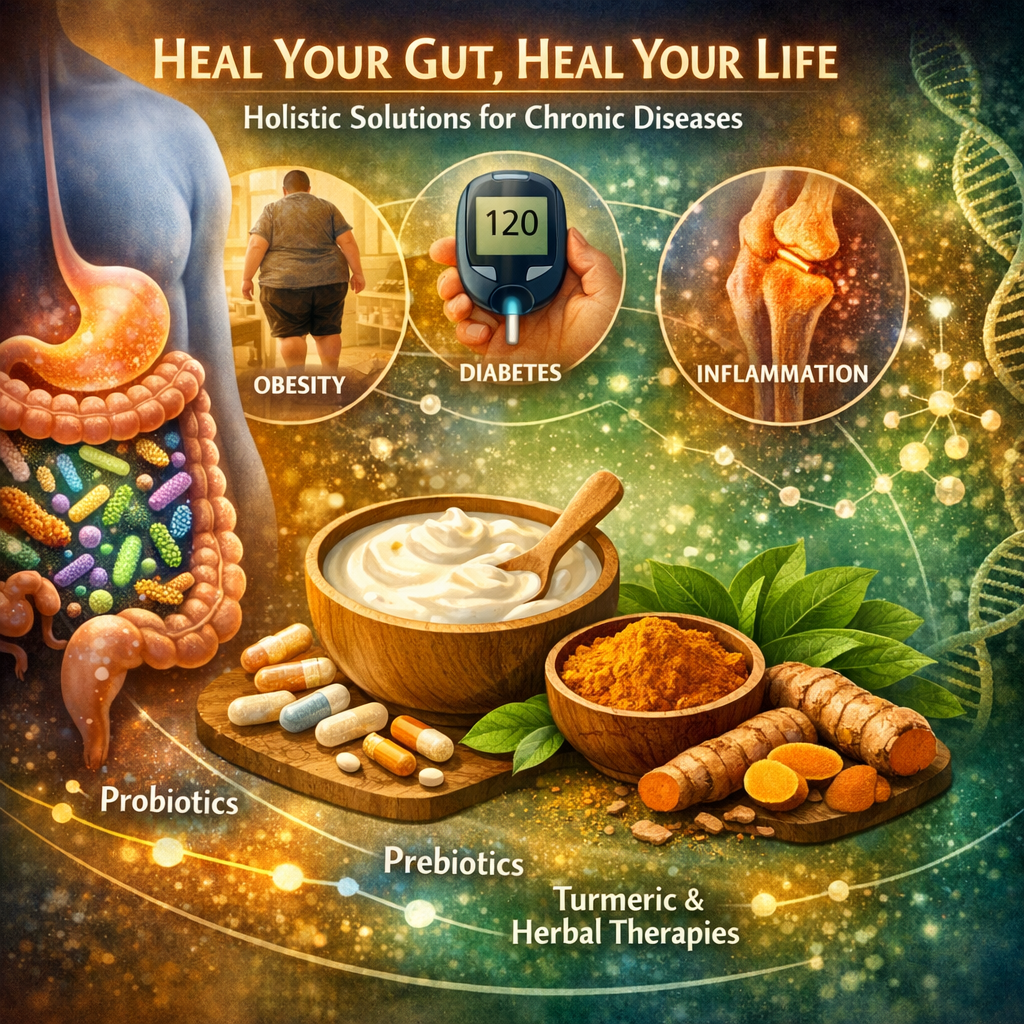
The gut, often referred to as the body’s second brain, plays a pivotal role in overall health and wellness. It’s a powerhouse of the immune system and a vital contributor to mental and physical health through the gut-brain axis. In recent years, the focus on gut health has surged, highlighting its vast connection to various diseases. From diabetes to depression, the gut’s link to multiple health conditions is undeniable. Scientists and health professionals are continually exploring innovative ways to leverage this connection for better health outcomes.
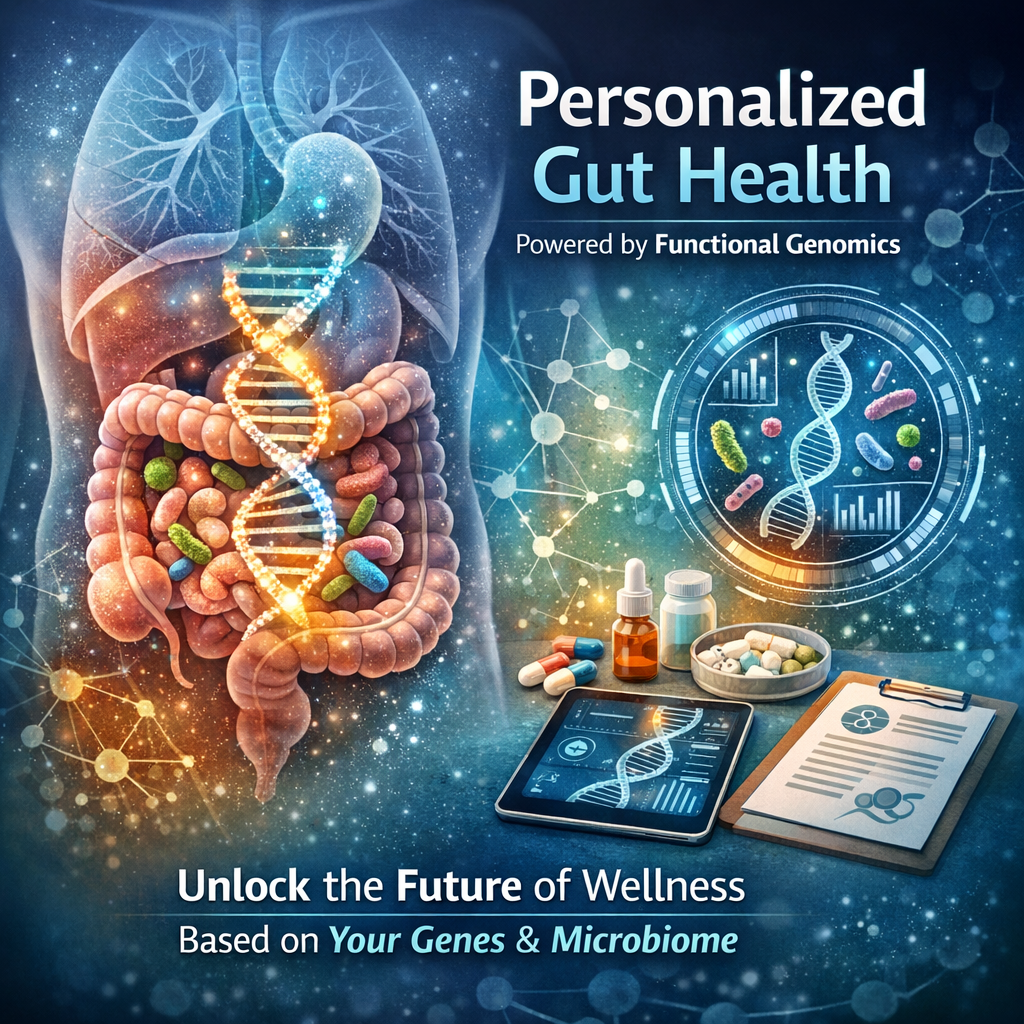
One groundbreaking field that has gained momentum is functional genomics. This advanced branch of genomics seeks to understand the dynamic aspects of gene expression and interaction, providing deeper insights into how our genetic makeup influences gut health. By examining the relationship between an individual’s genome and their gut microbiota, personalized health solutions can be crafted to prevent and treat diseases effectively.
Emerging research indicates that our gut microbiome is unique and can be influenced by genetics, diet, lifestyle, and environment. Functional genomics offers the potential to tailor personalized gut health regimens that consider these factors and more. Such targeted approaches aim to correct imbalances, support beneficial bacterial growth, and ultimately improve one’s overall health.
Personalization in medicine, notably in gut health, is not just about treating symptoms but rather understanding and addressing the root cause at a molecular level. This advancement represents a shift from a one-size-fits-all approach to a more customized strategy, ensuring interventions are well-suited to individual needs. One promising development is the use of genomic data to identify specific probiotics, prebiotics, and dietary changes that could optimize gut health specific to each person.
Understanding the connection between gut health and disease through functional genomics can potentially transform how we approach various health challenges. By harnessing genetic information, healthcare practitioners can offer more precise recommendations, promising a future where gut health management is not just reactive but proactively tailored to individual genetic profiles.
Features: Professional and Medical Studies
Several compelling studies illustrate the vast potential of functional genomics in enhancing gut health. One such study, published in Nature, explored the interaction between genes and microbes within the human gut, demonstrating how genetic variations can influence the composition and function of the gut microbiome. [Nature Study on Gut Microbiome](https://www.nature.com/articles)
This study emphasized that individual genetic differences affect how our bodies respond to dietary changes or supplement interventions. It suggested that personalized dietary strategies could be developed based on a person’s genetic predisposition, thereby optimizing gut health and decreasing disease risk. Researchers concluded that understanding these genetic-microbiota interactions is crucial for developing targeted therapies aimed at preventing or managing gastrointestinal diseases like Crohn’s disease and irritable bowel syndrome (IBS).
Another significant study was conducted by the American Gut Project, which examined the gut microbiomes of over 10,000 people worldwide. [American Gut Project](http://americangut.org) This extensive research highlighted how diet and lifestyle, influenced by specific genetic factors, impact gut microbiota diversity. A diverse microbiome is linked to better health outcomes.
The Human Microbiome Project (HMP) also offers crucial insights. This research initiative has mapped billions of microbial genes, revealing how these microorganisms contribute to health and disease. The findings underscore that individual lifestyle and genetic factors uniquely shape the microbiome, suggesting that personalized interventions may hold the key to better management of various health problems.
These studies collectively reinforce the significance of integrating functional genomics with gut health practices. They provide a robust foundation for understanding the relationship between our genetic makeup and microbiome functioning, paving the way for innovative, personalized gut health therapies.
Conclusion
The convergence of functional genomics and gut health signifies a transformative shift in personalized medicine. By examining the intricate relationship between genetics and the gut microbiota, tailored interventions can be devised to optimize health outcomes. With emerging scientific evidence supporting this novel approach, a personalized strategy for maintaining gut health and preventing disease is increasingly becoming a reality. As we continue to unravel the gut-disease connection, functional genomics stands at the forefront, offering a groundbreaking pathway for achieving optimal wellness through personalized care. The future of gut health is personal, illuminating a new era in which our genetic blueprint guides the way to health and wellness.
Concise Summary:
Functional genomics is revolutionizing gut health by leveraging genetic insights to create personalized solutions. This approach considers unique genetic and microbiome interactions, offering tailored interventions for various health conditions linked to the gut. Breakthrough studies, such as those by the Nature, American Gut Project, and Human Microbiome Project, highlight the potential of genomics in devising customized dietary and probiotic strategies. This innovative method is paving the way for proactive and precise gut health management, moving beyond symptom treatment to address the root causes at a molecular level, promising improved health outcomes through personalized care.