Unlocking the Gut-Longevity Code: How Cutting-Edge Gut Protocols Predict and Enhance Lifespan
In recent years, the scientific community has been unraveling the intricate relationship between gut health and overall longevity. The gut, often referred to as the “second brain,” is not merely a digestive organ; it is a sophisticated biome hosting trillions of microbes that communicate with the rest of the body. These microbes’ processes—including metabolism, immune response regulation, and even mood stabilization—are pivotal for maintaining homeostasis. Given this interconnection, our gut health directly influences our body’s aging processes and can potentially determine our lifespan.
Current Insights into Gut Health
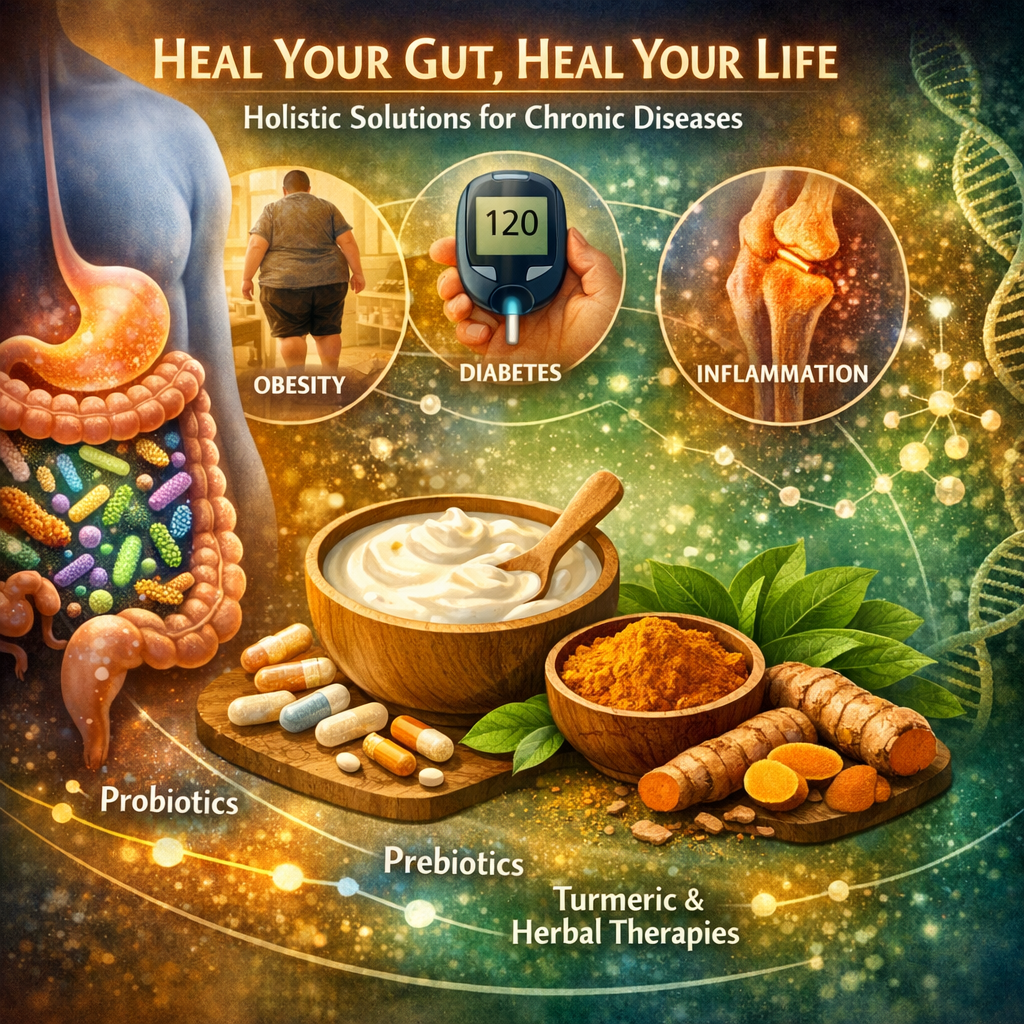
Recent studies have shown that maintaining a balanced gut microbiome may hold the key to unlocking healthier, longer lives. As people seek natural methods to improve their well-being, emphasis has shifted to natural cures and herbal treatments that support a robust gut microbiome without relying solely on pharmaceutical interventions. Fermented foods, known for their probiotic properties, have gained popularity for restocking beneficial bacteria and aiding digestion. Herbal remedies such as ginger, turmeric, and licorice root are also lauded for their anti-inflammatory and gut-soothing properties.
Moreover, the lifestyle factors affecting gut health cannot be undermined. Chronic stress, a diet high in processed foods, and insufficient sleep can all disrupt the delicate balance of the microbiome, potentially leading to chronic diseases that accelerate aging. Scientists are now focusing on personalized gut protocols designed to optimize each individual’s microbiome to enhance longevity. As research advances, the goal is to tailor interventions that enhance specific microbial signatures, bolster gut health, and, as a result, increase life expectancy.
The Potential of Gut Protocols
Understanding the gut’s role in longevity represents a paradigm shift in medicine and personal wellness. As we delve deeper into this research, the potential to extend not only lifespan but also health span by harnessing gut protocols becomes increasingly tangible. This approach promises to revolutionize how we view the fundamental tenets of health, steering us toward natural, sustainable practices rooted in the enriching power of the microbiome.
Features: The Science Behind Gut Health and Longevity
Several pivotal studies underscore the profound impact of the gut microbiome on longevity. A landmark study conducted by the University of California, San Diego, found a direct correlation between microbial diversity and the lifespan of various organisms, including humans. The research highlighted that as we age, our microbial diversity tends to decrease, which coincides with the onset of age-related diseases.
Furthermore, the European Molecular Biology Laboratory conducted a comprehensive study that revealed how specific strains of gut bacteria influence processes like inflammation and insulin sensitivity, both of which are critical in determining the rate of aging. These microorganisms play a crucial role in modulating host metabolism and immune functions, suggesting that healthier, varied gut microbiomes could be key to preventing degenerative diseases.
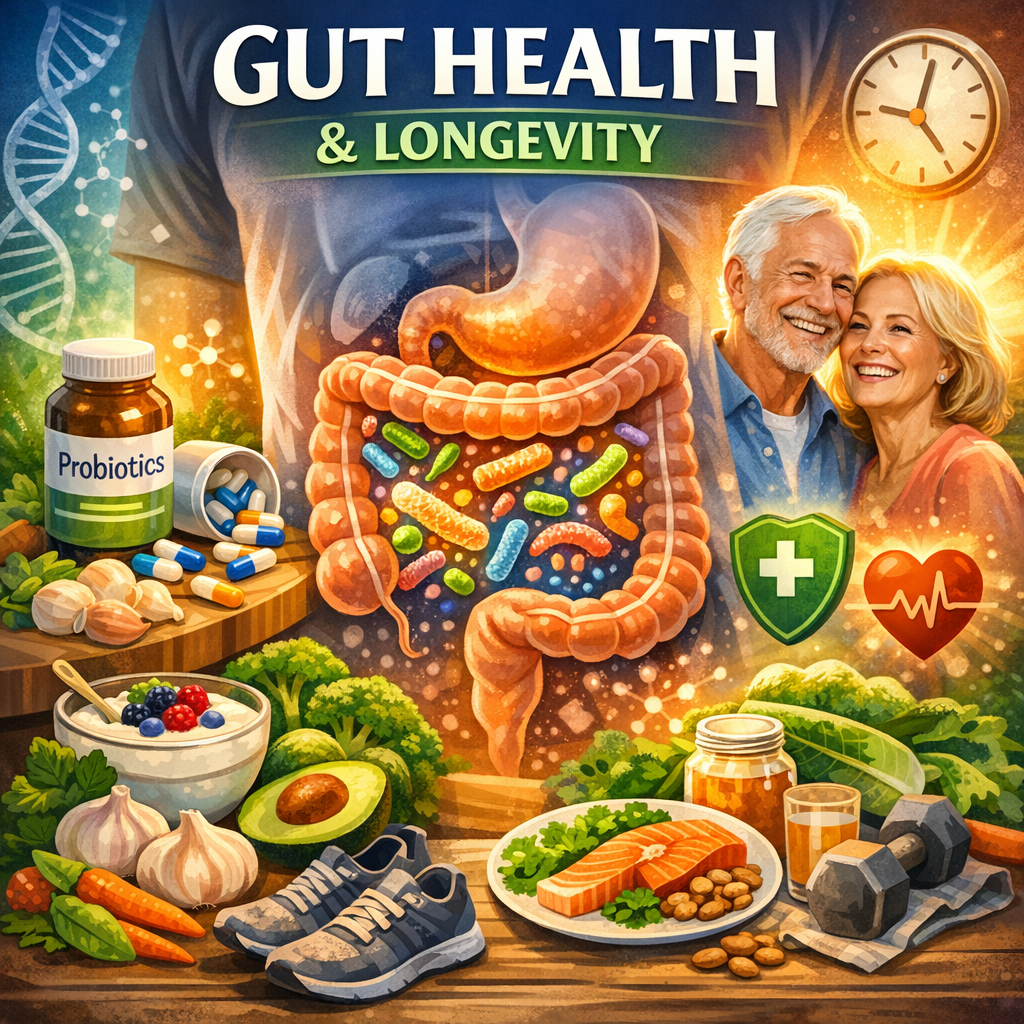
The “Blueprint for Aging” study, carried out by the Human Longevity Project, focused on centenarians from regions known for high life expectancy, such as the Blue Zones. The findings suggested that a diet rich in prebiotics and probiotics fosters a sustainable gut environment, enhancing both gut health and longevity. This study supports the hypothesis that a nutrient-dense, plant-based diet traditionally followed by these long-lived populations can improve gut health and extend lifespan.
Finally, the National Institute of Aging has conducted extensive research indicating that certain dietary interventions, such as intermittent fasting and caloric restriction, have beneficial effects on gut ecology. These practices facilitate a balance of healthy microbiota and improve metabolic functions linked to longevity.
Conclusion
The quest for a longer, healthier life hinges on our understanding of the gut-longevity axis. By integrating insights from cutting-edge research and embracing natural herbal treatments and dietary protocols, we stand on the brink of improving lifespan significantly. The paradigm shift toward a focus on gut health as a marker for longevity empowers individuals to adopt holistic practices that maintain microbial diversity and promote well-being. As science continues to unlock the secrets of the microbiome, the potential impact on human health and aging is profound, offering a promising pathway to enhance both quality and length of life.
References
1. The Intestinal Microbiome in Human Health and Disease, Cell
2. Gut Microbiome and Aging: Focused on Mechanisms and Therapeutic Targets, Frontiers in Immunology
3. The Gut Microbiota and Its Impact on Human Health, British Journal of Nutrition
4. Microbiome Health and Disease: What We Know and What We Need to Know, Cell Metabolism
Concise Summary
Understanding the gut-longevity axis is key to unlocking a longer and healthier life. The gut, home to a vast microbiome, plays a critical role in the aging process. Recent advancements highlight the importance of maintaining a balanced gut microbiome through diet, lifestyle, and natural treatments. Studies show that microbial diversity decreases with age, affecting health. By adopting personalized gut protocols and integrating prebiotics, probiotics, and herbal remedies, individuals can enhance gut health, potentially increasing lifespan. This shift emphasizes holistic practices over pharmaceuticals for sustaining well-being and longevity.