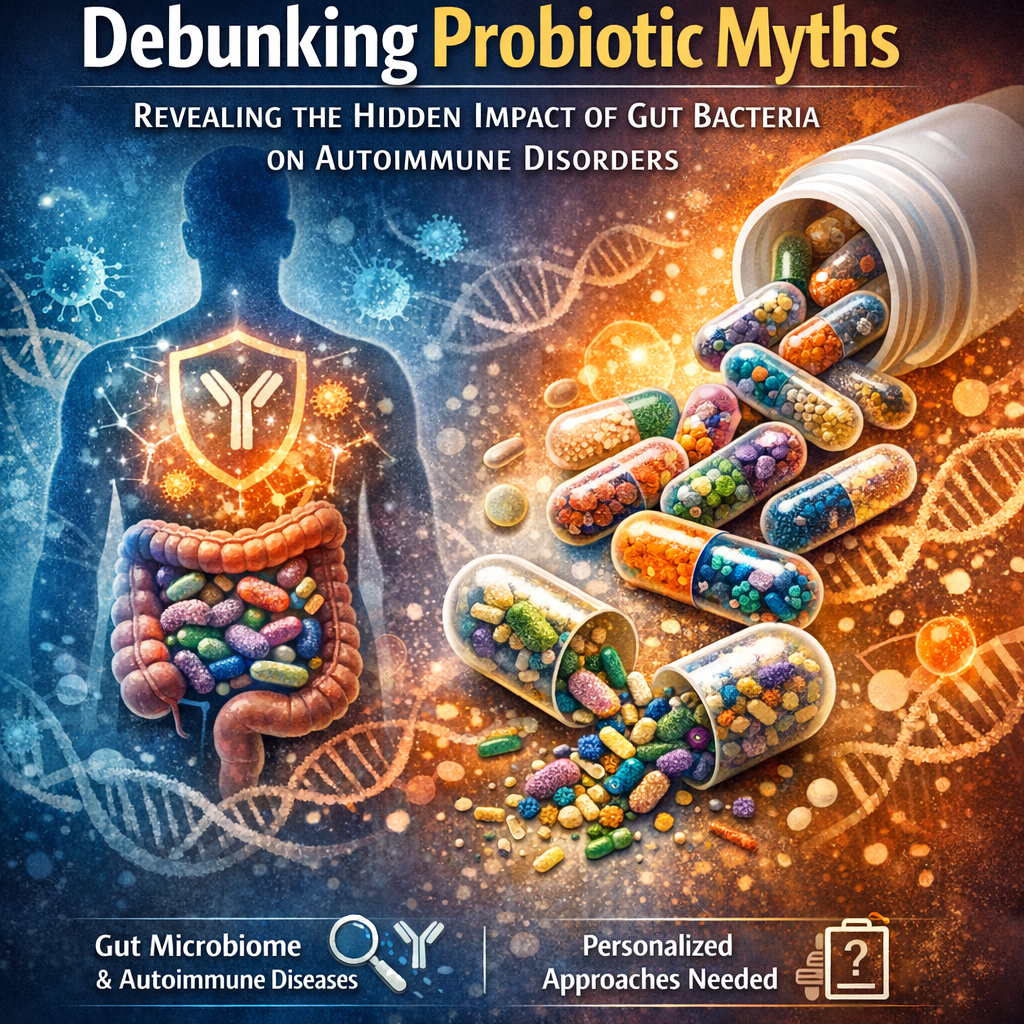
Debunking Probiotic Myths: Revealing the Hidden Impact of Gut Bacteria on Autoimmune Disorders
In recent years, the discussion around gut health has gained considerable traction, driven by growing awareness of the gut microbiome’s influence on overall well-being. As a result, probiotics have been hailed as a panacea for a multitude of health conditions, including autoimmune disorders. However, a closer examination reveals that the relationship between gut bacteria and autoimmune diseases is more nuanced than commonly portrayed. Misunderstandings and myths abound, often propelled by marketing rather than solid scientific understanding.
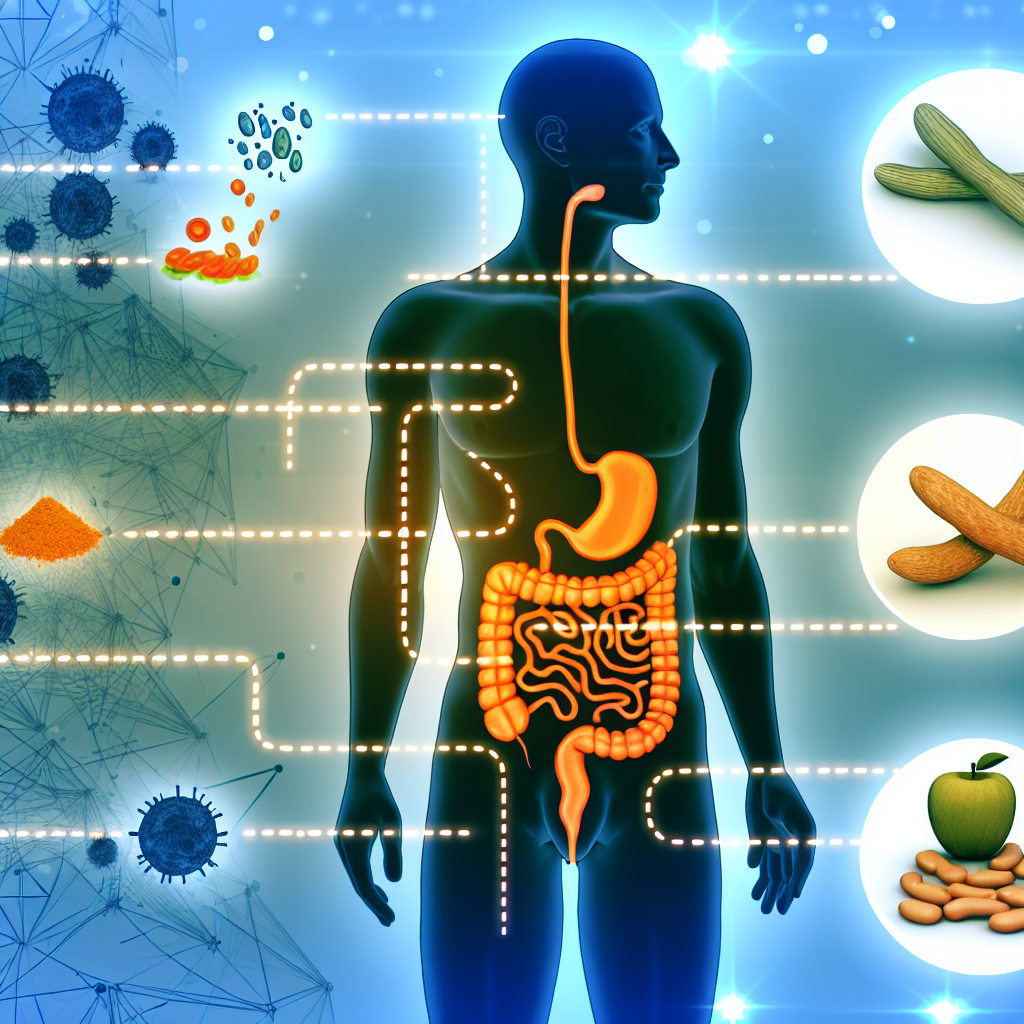
The gut microbiome, comprised of trillions of bacteria, viruses, and fungi, plays a critical role in maintaining immune homeostasis. This complex ecosystem not only aids digestion but also interacts with our immune system in ways that researchers are just beginning to fully comprehend. A healthy gut microbiome is thought to support immunity by promoting a balanced inflammatory response and modulating the activity of immune cells. When dysbiosis—an imbalance in these microbial communities—occurs, it may trigger or exacerbate autoimmune disorders by impairing the immune system’s regulatory mechanisms.
Autoimmune diseases, such as rheumatoid arthritis, lupus, and multiple sclerosis, occur when the body’s immune system mistakenly attacks its own tissues. Emerging research suggests a link between dysbiosis and the pathogenesis of these conditions. However, while probiotics are frequently marketed as beneficial for enhancing gut health and, by extension, immune function, the current body of evidence does not universally support their efficacy in preventing or treating autoimmune disorders. Some studies suggest benefits, while others show minimal or no impact, highlighting the need for a more individualized approach to probiotic interventions.
It is crucial to understand that the gut microbiome’s interplay with autoimmune diseases is influenced by various factors, including genetics, diet, lifestyle, and environmental exposures. Probiotics might assist in rebalancing the gut flora, but their impact can differ widely among individuals due to these variables. Thus, navigating the myths surrounding probiotics and autoimmune conditions requires a discerning look at the scientific evidence and personalized health strategies.
Scientific Insights into Gut Bacteria and Autoimmune Disorders
Scientific investigations have begun to unravel the intricate links between gut microbiota and autoimmune diseases, providing insights that challenge prevailing myths. A pivotal study published in the journal *Cell* (2019) examined the role of specific gut bacteria in type 1 diabetes (T1D), an autoimmune disorder. The researchers found that individuals at risk of developing T1D had a distinct microbial composition, marked by low levels of beneficial bacteria such as Lactobacillus and Bifidobacterium. This highlights that maintaining a diverse gut microbiome could potentially mitigate the risk or progression of certain autoimmune conditions.
Another study in *Nature Communications* (2020) examined the effect of the gut microbiome on rheumatoid arthritis (RA). The study demonstrated that certain gut bacteria could exacerbate inflammatory responses, suggesting that microbial interventions to target specific pathogens might hold therapeutic potential. Nevertheless, the replication of findings across diverse populations remains a challenge, underscoring the complexity of microbiome interactions.
In terms of probiotics, research results vary. A meta-analysis in the *Journal of Autoimmunity* (2022) analyzed multiple clinical trials on probiotic interventions for various autoimmune disorders. The analysis indicated that while some probiotics, like Lactobacillus rhamnosus GG, appeared to reduce inflammation markers in inflammatory bowel disease (IBD), their benefits were not uniformly observed across all autoimmune conditions. This highlights the necessity for strain-specific research and personalized applications of probiotics in autoimmune management.
Furthermore, a randomized controlled trial (RCT) in the *American Journal of Gastroenterology* (2021) explored the effectiveness of a multi-strain probiotic supplement in individuals with systemic lupus erythematosus (SLE), a severe autoimmune disease. The findings showed an improvement in gastrointestinal symptoms and quality of life, but no significant alterations in immune function. This suggests that while probiotics can enhance gut health, their direct impact on the underlying autoimmune pathology may be limited.
Conclusion
The relationship between gut bacteria and autoimmune disorders is undeniably complex, with current evidence providing promising insights yet falling short of universal conclusions. While probiotics can contribute to gut health, their effects on autoimmune diseases are not unequivocally curative or preventative for everyone. An individualized approach, considering personal microbial composition and health status, alongside professional guidance, is essential for anyone considering probiotics for autoimmune conditions. Continued research is vital to untangle the complexities of the gut-immune axis and develop tailored therapeutic strategies that may lead to groundbreaking advances in the treatment and prevention of autoimmune diseases.
References
1. Cell (2019). The Gut Microbiota as a Major Regulator of the Gut–Skin Axis Associated with Metabolic Syndrome.
2. Nature Communications (2020). Systematic review of the gut microbiome and rheumatoid arthritis.
3. Journal of Autoimmunity (2022). The Effectiveness of Probiotics on Autoimmune Diseases.
4. American Journal of Gastroenterology (2021). Probiotic Therapy in Patients with Systemic Lupus Erythematosus.
Concise Summary: The relationship between gut bacteria and autoimmune disorders is intricate, involving numerous factors like genetics and lifestyle, rather than solely relying on probiotics as potential solutions. Research shows mixed results regarding probiotics’ efficacy in managing autoimmune conditions. While some studies indicate benefits for gut health and specific diseases, they’re not universally beneficial. A personalized approach based on individual microbial composition, backed by scientific insights, is essential for leveraging probiotics in autoimmune disorder management. Further research is needed to thoroughly understand the gut-immune connection and devise effective interventions.