Why the Gut-Heart Connection Will Reshape Functional Gastroenterology: New Paradigms in Chronic Disease Management
Introduction
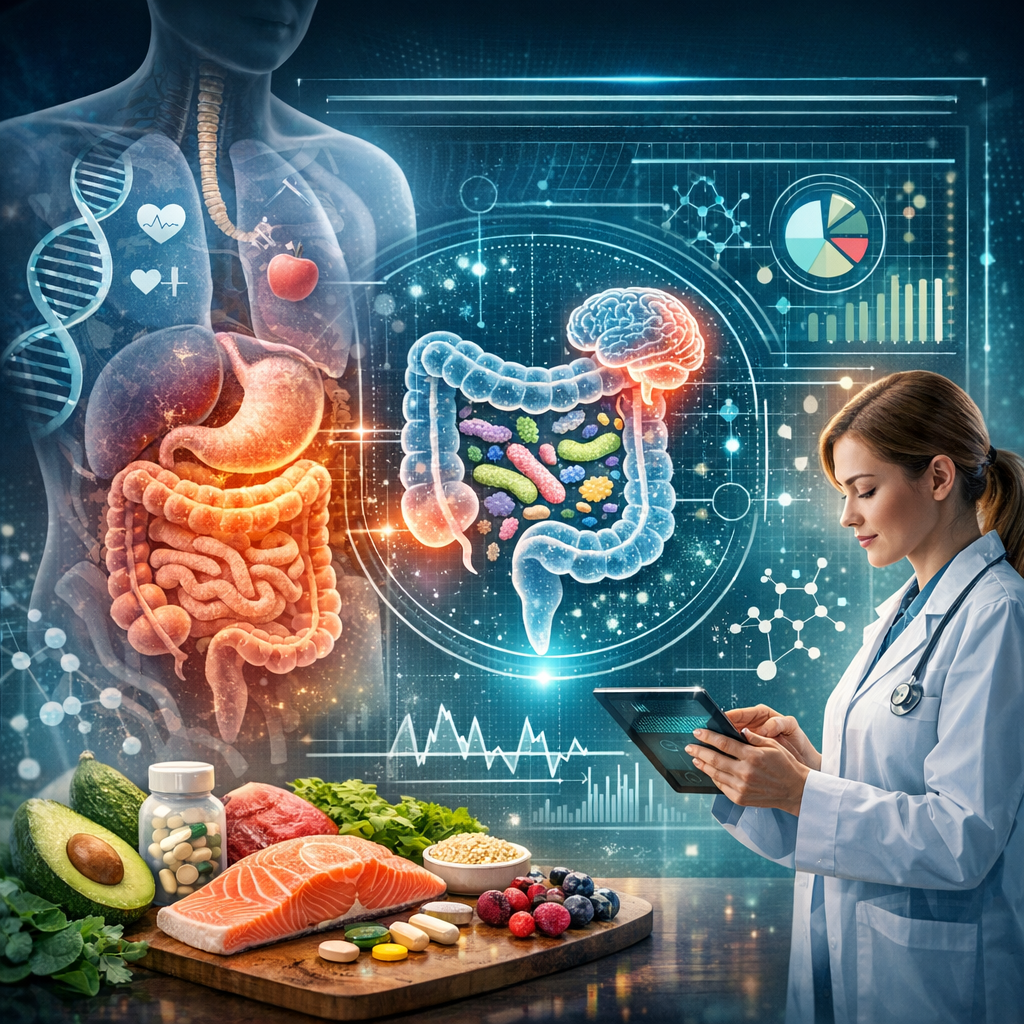
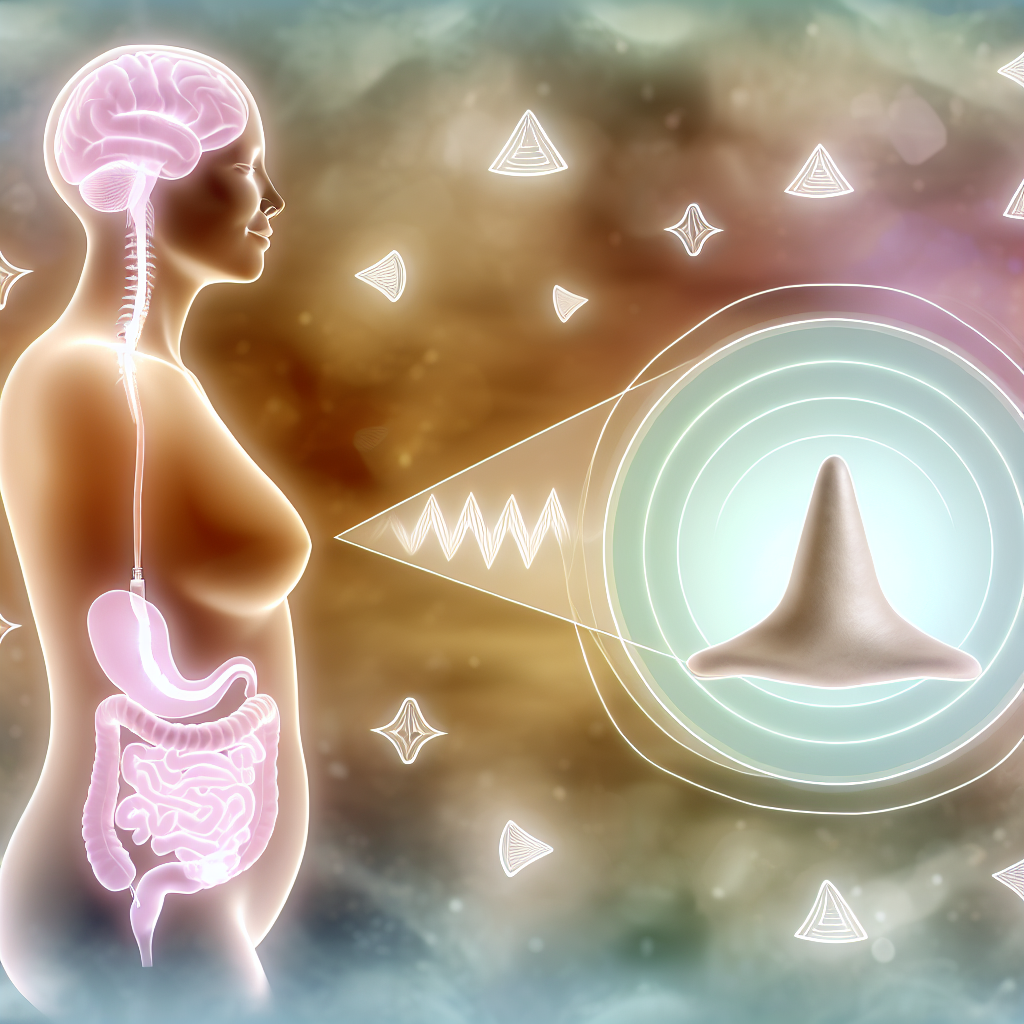
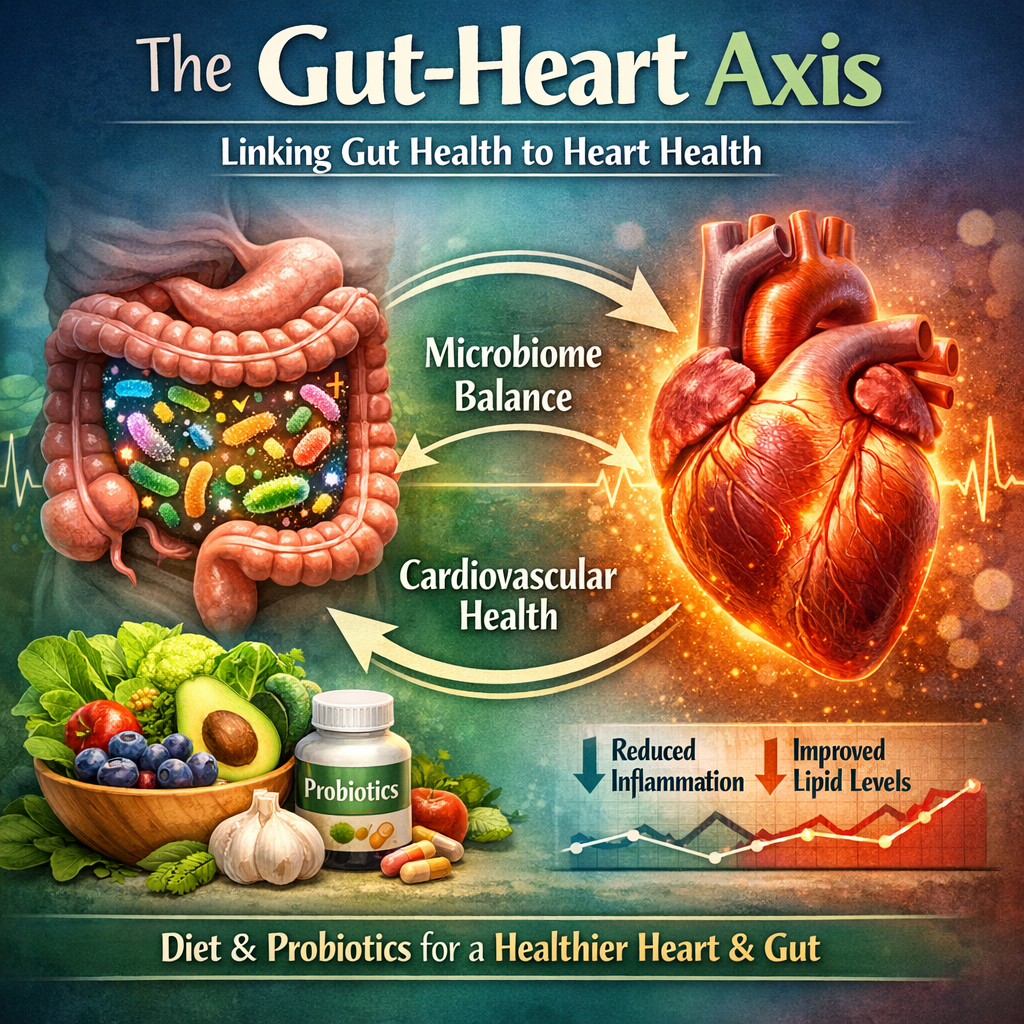
The human body is a highly complex and interconnected system, where different organs and systems communicate intricately. In recent years, an exciting area of research has emerged, focusing on the interplay between gut health and heart health, known as the gut-heart axis. This connection is gaining traction as a promising frontier in functional gastroenterology and chronic disease management. Understanding the gut-heart connection is invaluable not only for medical professionals but also for individuals seeking natural and holistic approaches to health, particularly concerning chronic diseases linked to the digestive and cardiovascular systems.
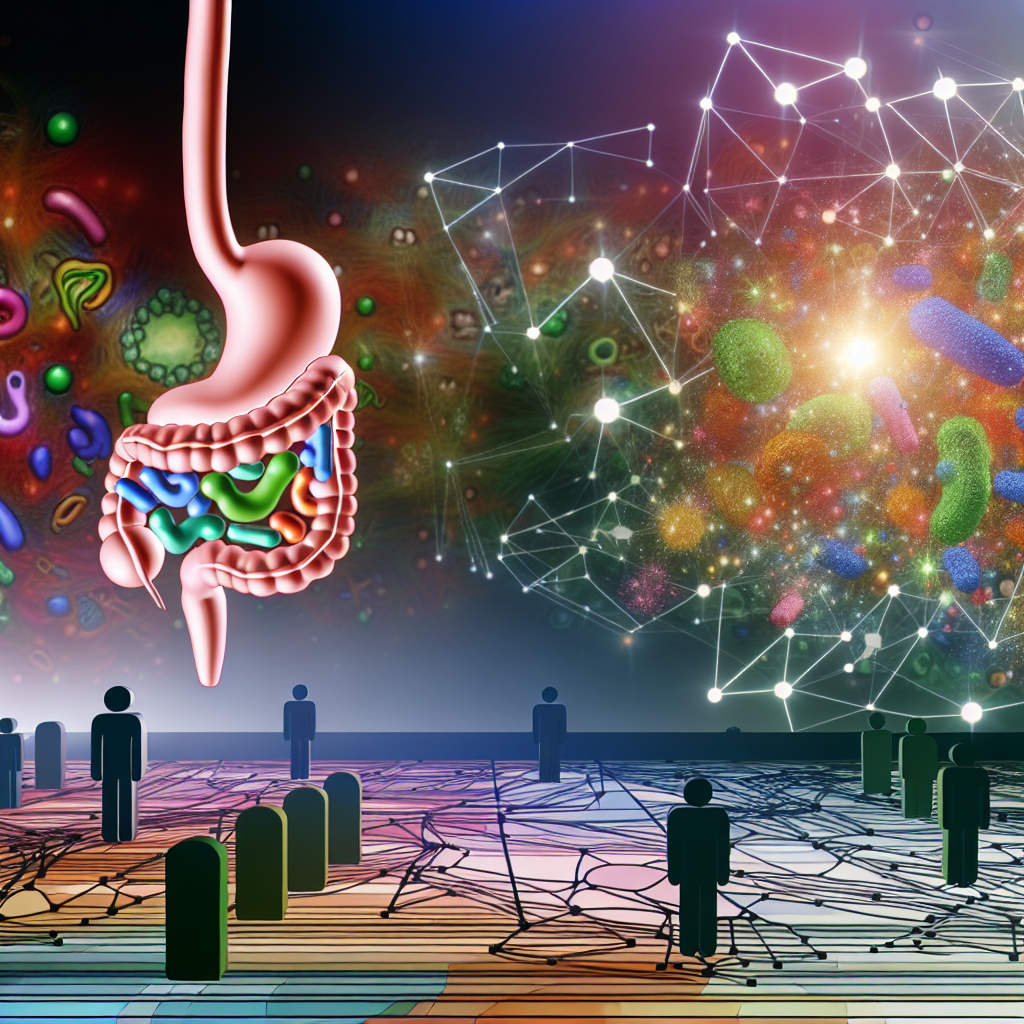
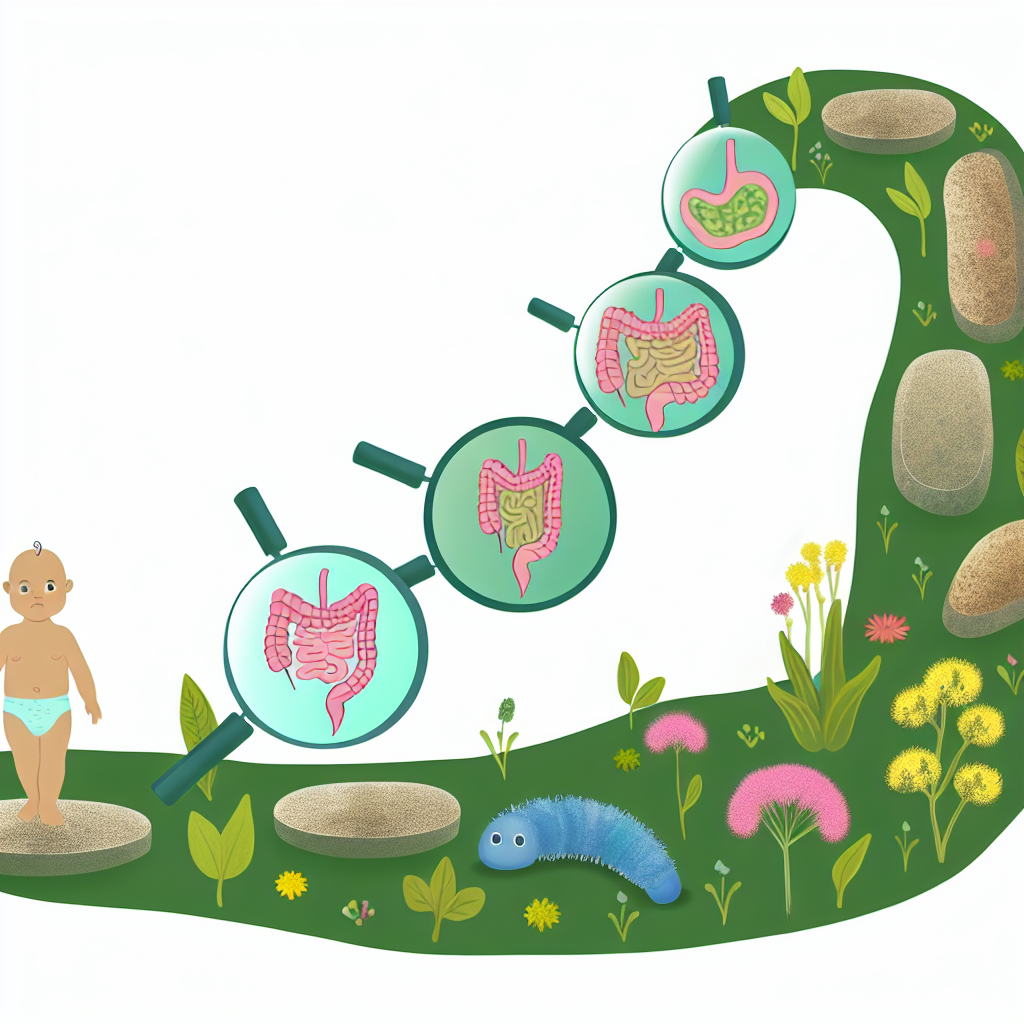
The concept of the gut-heart axis is grounded in the growing field of microbiome research. The human gut is home to trillions of microorganisms that significantly impact our health. These microorganisms play a vital role in digestion, immune function, and the synthesis of essential nutrients. Their influence extends beyond the digestive system, contributing to heart health through pathways related to control of inflammation, lipid metabolism, and blood pressure regulation.
Traditional medical approaches have often treated the heart and gut as separate entities; however, contemporary research challenges this compartmentalization. Studies show that *dysbiosis*, an imbalance in the gut microbiota, can have far-reaching effects not just on the gut but on cardiovascular health as well. Inflammation stemming from the gut can contribute to the development of atherosclerosis, a key factor in coronary artery disease. Moreover, metabolic products derived from gut bacteria, such as trimethylamine N-oxide (TMAO), have been linked with a heightened risk of heart attacks and strokes.
Functional gastroenterology is now shifting its focus to emphasize the importance of maintaining a thriving gut microbiome as a preventive strategy against cardiovascular diseases. By integrating dietary recommendations, nutritional supplements, and natural remedies that support gut health, individuals can potentially reduce their risk of heart-related ailments. This paradigm shift could lead to innovative treatments for chronic conditions, transforming how we manage diseases that impact a significant portion of the global population.
Features
Numerous professional and medical studies underscore the vital significance of the gut-heart axis. One groundbreaking study published in the journal [Nature Reviews Cardiology](https://www.nature.com/nrcardio/) explored the relationship between gut microbiota and cardiovascular risk factors. The researchers highlighted that certain gut bacteria can produce metabolites that influence cholesterol levels and blood pressure—a direct link to heart health. This study serves as a cornerstone in establishing the critical role that gut flora have in cardiovascular disease mechanisms.
Another core study by the [Cleveland Clinic](https://consultqd.clevelandclinic.org/) traced the connection between TMAO, a compound produced when gut bacteria metabolize certain nutrients, and cardiovascular disease. The research demonstrated that elevated levels of TMAO in the blood are associated with a greater risk of adverse cardiac events, making the gut microbiota a potential therapeutic target for reducing cardiovascular risks.
Additionally, a clinical trial published in the [Journal of the American College of Cardiology](https://www.jacc.org/) examined the impact of probiotic and prebiotic supplements on cholesterol levels. The trial found that subjects who received these gut-supportive compounds experienced significant improvements in LDL cholesterol levels, a major risk factor for heart disease. This suggests that enhancing gut health through specific strains of probiotics and prebiotics may confer cardiovascular benefits.
Moreover, a systematic review in [Nature Reviews Gastroenterology & Hepatology](https://www.nature.com/nrgastro/) presented emerging evidence supporting the anti-inflammatory roles of specific dietary fibers, emphasizing their capability to positively alter gut microbiota composition. Foods rich in fermentable fibers have been shown to increase beneficial bacterial populations, which in turn may decrease systemic inflammation and subsequently contribute to improved heart health.
These studies collectively reflect a vital recognition of the gut-heart axis in medical science, warranting a shift towards comprehensive disease management strategies that focus on the gut’s microbial environment. Such approaches could revolutionize how chronic diseases are addressed, paving the way for more effective preventive and therapeutic interventions.
Conclusion
The emerging research surrounding the gut-heart connection represents a transformative shift in the field of functional gastroenterology, emphasizing a holistic approach to chronic disease management. By acknowledging and leveraging the intricate relationships between gut microbiota and cardiovascular health, we can better understand and treat the underlying causes of chronic diseases. As more studies delve into the gut-heart axis, the future of chronic disease prevention and management will likely prioritize gut health as a cornerstone of cardiovascular wellness. Embracing natural and integrative strategies will not only empower individuals but also foster innovation in how healthcare professionals approach complex interactions within the human body. As science continues to unveil the depths of this crucial connection, the potential for improved public health outcomes is both promising and profound.
Concise Summary
The emerging field of the gut-heart axis connects gut and heart health, underscoring its role in chronic disease management. Recent studies have shown that gut microbiota affects cardiovascular health through pathways that control inflammation and lipid metabolism. Dysbiosis can lead to increased risk factors for heart disease, such as TMAO. Advances in functional gastroenterology suggest that maintaining a healthy gut microbiome could prevent cardiovascular diseases. By using dietary and probiotic interventions, individuals may lower heart disease risks, fostering innovative therapies for globally prevalent chronic conditions.

Dominic E. is a passionate filmmaker navigating the exciting intersection of art and science. By day, he delves into the complexities of the human body as a full-time medical writer, meticulously translating intricate medical concepts into accessible and engaging narratives. By night, he explores the boundless realm of cinematic storytelling, crafting narratives that evoke emotion and challenge perspectives.
Film Student and Full-time Medical Writer for ContentVendor.com