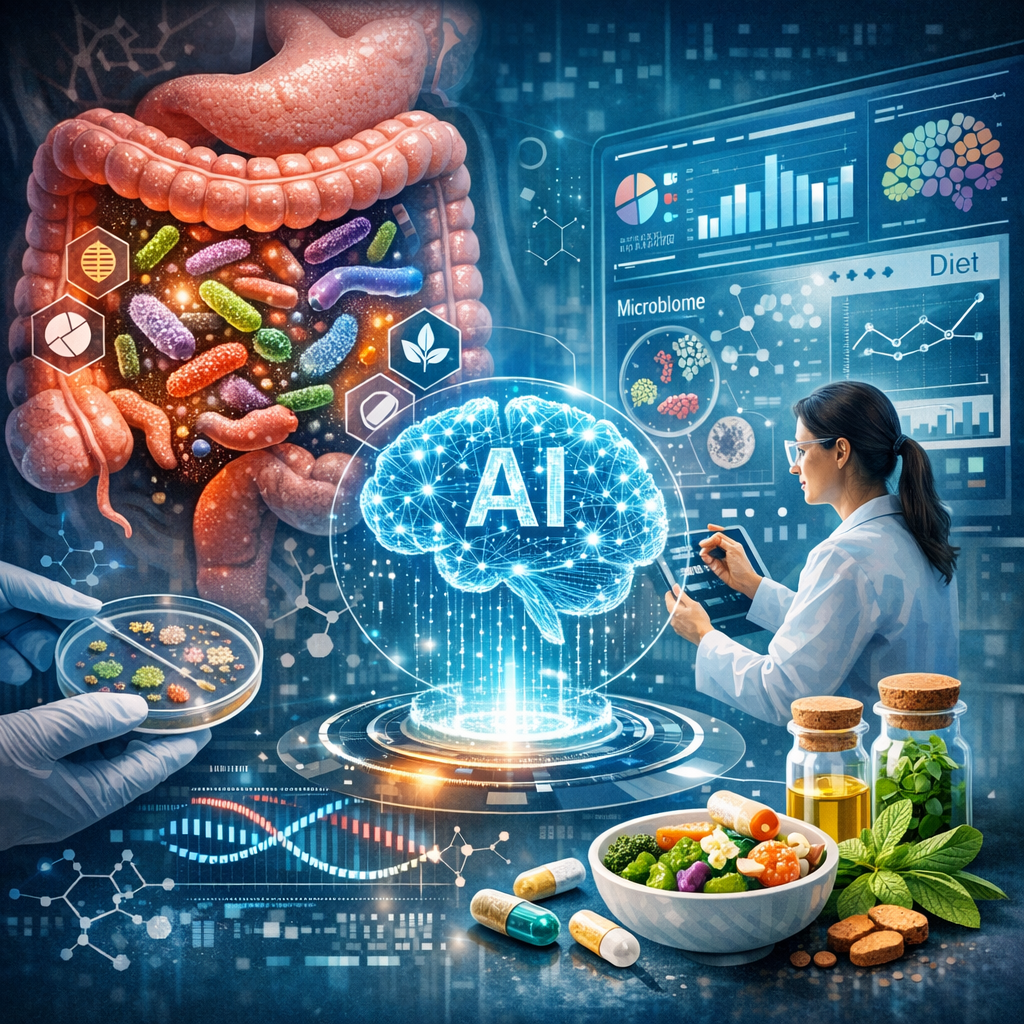
Unlocking the Future of Gut Health: AI-Powered Microbiome Mapping and Personalized Therapeutics
In recent years, the scientific community has increasingly shifted its focus to the gut microbiome as a key player in overall health. This microscopic ecosystem housed within our digestive tract is composed of trillions of bacteria, fungi, and viruses that interact with our bodies in complex ways. The gut microbiome influences everything from digestion and metabolism to mental health and immune system function. With the advent of artificial intelligence (AI), researchers and medical professionals are now poised to revolutionize our understanding of gut health, paving the way for personalized therapeutics that could transform how we approach treatment for a myriad of health conditions.
The potential of AI-powered microbiome mapping lies in its ability to analyze vast amounts of data quickly and accurately. Unlike traditional methods, AI can rapidly process complex datasets derived from DNA sequencing of microbial communities, identifying patterns and interactions that are otherwise undetectable. This level of analysis allows scientists to better understand the connections between specific microbial profiles and various health conditions, leading to more targeted and effective treatments.
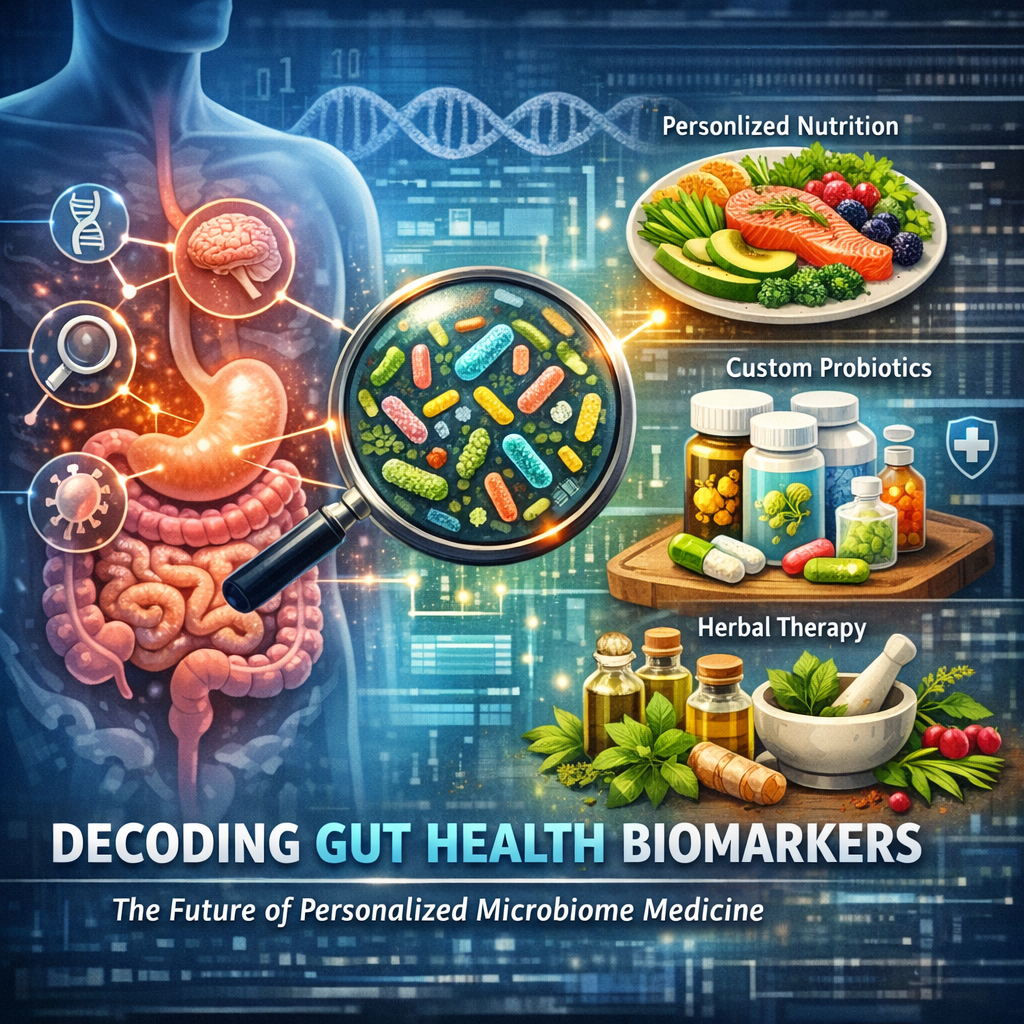
Furthermore, AI can assist in predicting how individuals might respond to different dietary interventions and probiotics by considering lifestyle, genetics, and existing health issues. Personalized therapeutic plans can then be developed, tailored to the unique composition of an individual’s microbiome. This is a dramatic shift from the one-size-fits-all approach traditionally seen in medicine, heralding a new era of precision health that prioritizes individual differences.
In addition to diagnostics and treatment planning, AI-driven research is uncovering novel probiotics and natural compounds that could enhance gut health. By leveraging machine learning algorithms, scientists are discovering new ways to harness these bioactive compounds, optimizing their delivery and efficacy within the human body. These breakthroughs are setting the stage for innovative dietary supplements and functional foods that can support gut health naturally.
Features of AI-Powered Microbiome Mapping and Personalized Therapeutics
One of the most promising developments in gut health research is the integration of AI in microbiome studies. Recent professional and medical studies have illustrated the transformative potential of this technology. For instance, a study published in Nature Biotechnology leveraged AI to analyze microbiome data, uncovering specific microbial signatures associated with metabolic disorders like obesity and type 2 diabetes. By employing machine learning, researchers identified prognostic biomarkers, enabling early intervention and personalized therapeutic approaches.
Moreover, a collaborative study from the Massachusetts Institute of Technology (MIT) and Harvard University demonstrated the efficacy of using AI to predict individual responses to dietary changes. This study incorporated detailed food diaries, microbiome profiles, and health records to create an AI model capable of predicting glycemic responses to different diets. These insights allow for highly individualized dietary recommendations, enhancing metabolic health and preventing diseases linked to poor gut function. More information can be found through the respective [MIT](http://web.mit.edu/) and [Harvard University](https://www.harvard.edu/) publications.
AI is also being utilized to uncover new natural cures and herbal treatments. Researchers at Stanford University are using AI to screen botanical compounds for potential probiotic properties, identifying candidates that can naturally promote the growth of beneficial gut bacteria. This approach not only enhances our understanding of how herbs and plants can support gut health but also contributes to the development of new, effective treatments derived from natural sources. Stanford’s research details can be accessed through [Stanford University’s publications](https://www.stanford.edu/) and relevant journals.
Studies have also explored the use of AI to optimize the formulation and effectiveness of probiotics. By studying the interactions between various strains of bacteria and their host environments, AI models can predict which combinations are most beneficial for specific health outcomes. These insights are guiding the creation of next-generation probiotics that address individual microbiome needs more effectively.
Conclusion
The future of gut health is being redefined by AI-powered microbiome mapping and personalized therapeutics. These technological advances hold immense potential for developing innovative, natural treatments tailored to individual needs. As we continue to unlock the secrets of the microbiome, we are better equipped to address various health challenges, leading to improved outcomes and quality of life. By embracing these cutting-edge approaches, the healthcare community can offer solutions that are not only effective but also designed to enhance holistic well-being.
References
1. New Insights from [Nature Biotechnology](https://www.nature.com/nbt/).
2. Research by [MIT](http://web.mit.edu/) & [Harvard University](https://www.harvard.edu/).
3. Findings from [Stanford University’s](https://www.stanford.edu/) Botanical Compound Study.
Concise Summary:
AI-powered microbiome mapping is transforming gut health understanding and treatments by analyzing vast, complex datasets quickly and accurately. This technology helps identify microbial profiles linked to diseases, enabling personalized therapeutics rather than a one-size-fits-all approach. Studies from institutions like MIT and Stanford highlight AI’s role in predicting responses to dietary changes and discovering natural probiotic treatments. These innovations enhance precision in health strategies, striving for personalized solutions that improve quality of life through effective, individualized therapeutic plans.