Beyond Probiotics: Unveiling the Next Frontier in Gut Microbiome Restoration Through Genetic Mapping
In recent years, the importance of gut health has transcended the realm of wellness trends, becoming a pivotal focus in both scientific research and holistic health practices. The gut microbiome, a complex ecosystem of trillions of microorganisms residing in our digestive tract, plays a crucial role in digestion, immune function, and overall well-being. While probiotics have been heralded as a key strategy for maintaining gut health, emerging scientific advancements are paving the way for more precise and individualized approaches. One such advancement is the application of genetic mapping—a cutting-edge tool that holds the potential to revolutionize how we understand and optimize our gut microbiome.
The human gut microbiome is as unique as a fingerprint, varying significantly from one individual to another. Factors such as diet, lifestyle, genetics, and environmental influences play a role in shaping this intricate microbial community. Traditionally, probiotics have been employed to enhance bacterial diversity and augment “good” bacteria in the gut. However, this one-size-fits-all approach often falls short of addressing the personalized needs of individuals. Enter genetic mapping: a new frontier that delves into the genetic blueprint of our microbiota, offering unprecedented insights into the distinct composition and functionality of our gut ecosystem.
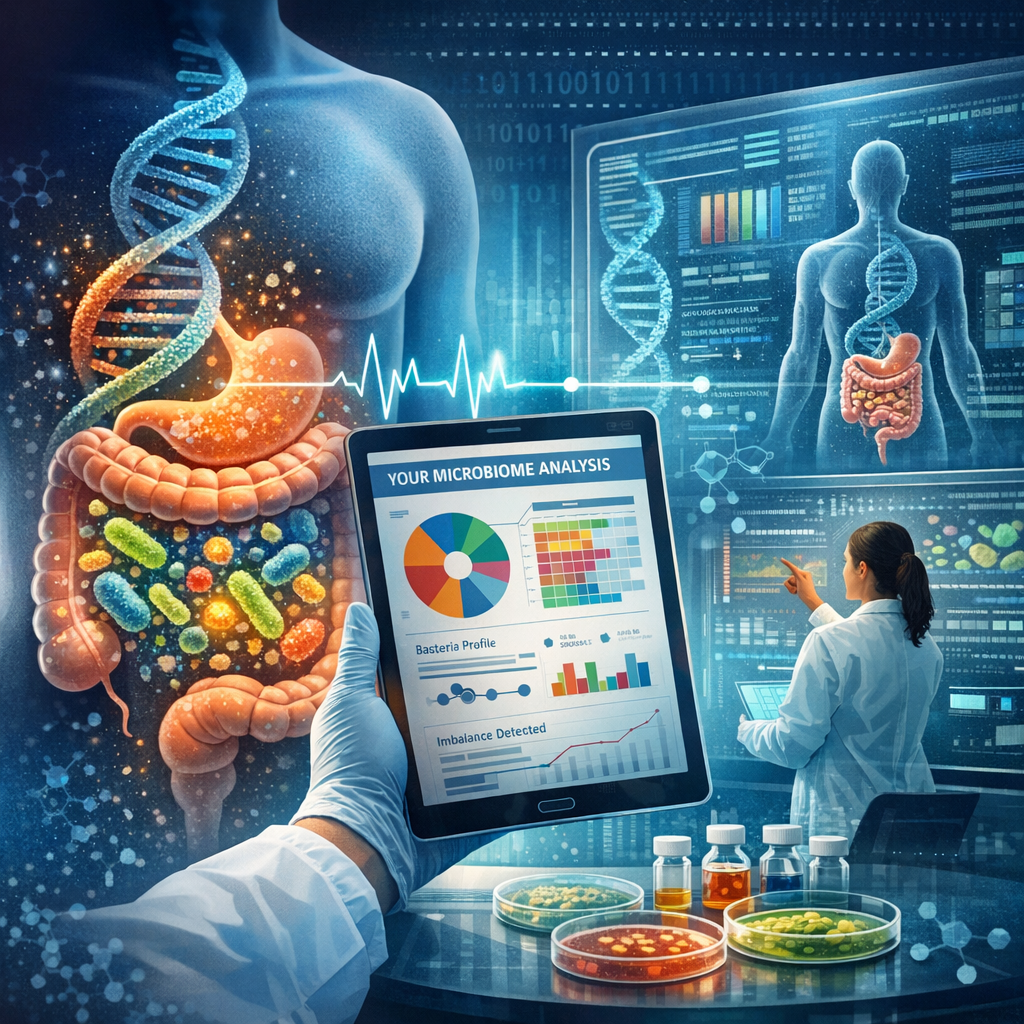
By analyzing the DNA sequences of the microbes present in our digestive tract, genetic mapping provides a detailed overview of the microbial species and their potential health impacts. This data-driven method surpasses the blanket approach of probiotics, enabling tailored interventions that align with an *individual’s unique microbiome profile*. This precision not only aids in restoring balance but also provides a proactive means of preventing microbial imbalances that could lead to gastrointestinal disorders and other health issues.
Features
Several studies underscore the promise genetic mapping holds for gut microbiome restoration. A landmark study published in the journal *Nature* illustrated how metagenomic sequencing—a technique used in genetic mapping—can identify the genetic codes of microbial communities at a high resolution. This capacity to differentiate between microbial strains offers an in-depth understanding of their roles in health and disease, facilitating the development of targeted therapies. The study highlighted how certain bacterial strains known for promoting anti-inflammatory responses are only present in specific individuals, emphasizing the necessity of tailored treatments.
Moreover, research from the *American Gut Project*, an extensive citizen science endeavor, demonstrates how dietary and lifestyle changes affect microbial gene expression. The findings suggest that genetic mapping can inform dietary recommendations that promote beneficial bacteria growth and diminish harmful strains. Such insights are invaluable in the quest for personalized medicine, allowing practitioners to devise strategies tailored to the unique genetic makeup of an individual’s microbiota.
In clinical practice, the integration of genetic mapping with traditional microbiome assessments can reveal insights missed by conventional testing alone. It provides a comprehensive view of microbial diversity and interrelations, offering a full picture that guides effective interventions. This personalized approach holds immense potential in managing conditions such as irritable bowel syndrome (IBS), inflammatory bowel disease (IBD), and even mental health disorders linked to the gut-brain axis.
Conclusion
The integration of genetic mapping into gut health protocols marks a transformative shift in our approach to microbiome restoration. Moving beyond the limitations of generic probiotic use, genetic mapping heralds a new era of precision medicine where interventions are as unique as the individuals they serve. By leveraging the power of genetic insights, we stand at the brink of unlocking personalized pathways to optimal gut health, revolutionizing our understanding of the microbiome’s impact on overall well-being. As research in this field progresses, the potential applications expand, promising a future where gut health is harmoniously aligned with our genetic blueprint.
Concise Summary:
The significance of gut health in scientific research has surged, especially with the advent of genetic mapping. This tool offers insights into the unique composition of our gut microbiome, allowing for personalized interventions beyond traditional probiotics. Genetic mapping analyzes DNA sequences of gut microbes, enabling tailored treatments to restore balance and prevent disorders like IBS and IBD. Studies from *Nature* and the *American Gut Project* highlight its potential, paving the way for precision medicine in gut health. As research progresses, the applications expand, promising personalized gut health strategies aligned with our genetic blueprint.