Radical Innovations in Gut Repair: How Cutting-Edge Biotech is Reshaping Digestive Health
In recent years, the understanding of gut health has undergone a seismic shift, evolving beyond traditional perspectives to embrace a more holistic view that acknowledges the complexities of the gut microbiome. The gut, often referred to as the body’s ”second brain,” plays a significant role in digestion, immune function, and even mental health. Disruptions to gut health can have wide-ranging effects, leading to digestive disorders, autoimmune diseases, and mental health issues. As the prevalence of these conditions rises, so does interest in novel approaches to gut repair. Enter the age of biotech, where radical innovations are reshaping our approach to digestive health.
Biotechnology is revolutionizing how we understand and treat gut-related issues. Researchers are now delving into the depths of the human microbiome—a vast ecosystem of trillions of microorganisms residing in our gut—to uncover how its balance or imbalance influences our health. This scientific frontier is paving the way for innovative therapies that use natural cures and herbal treatments alongside advanced biotechnological solutions to restore gut health.
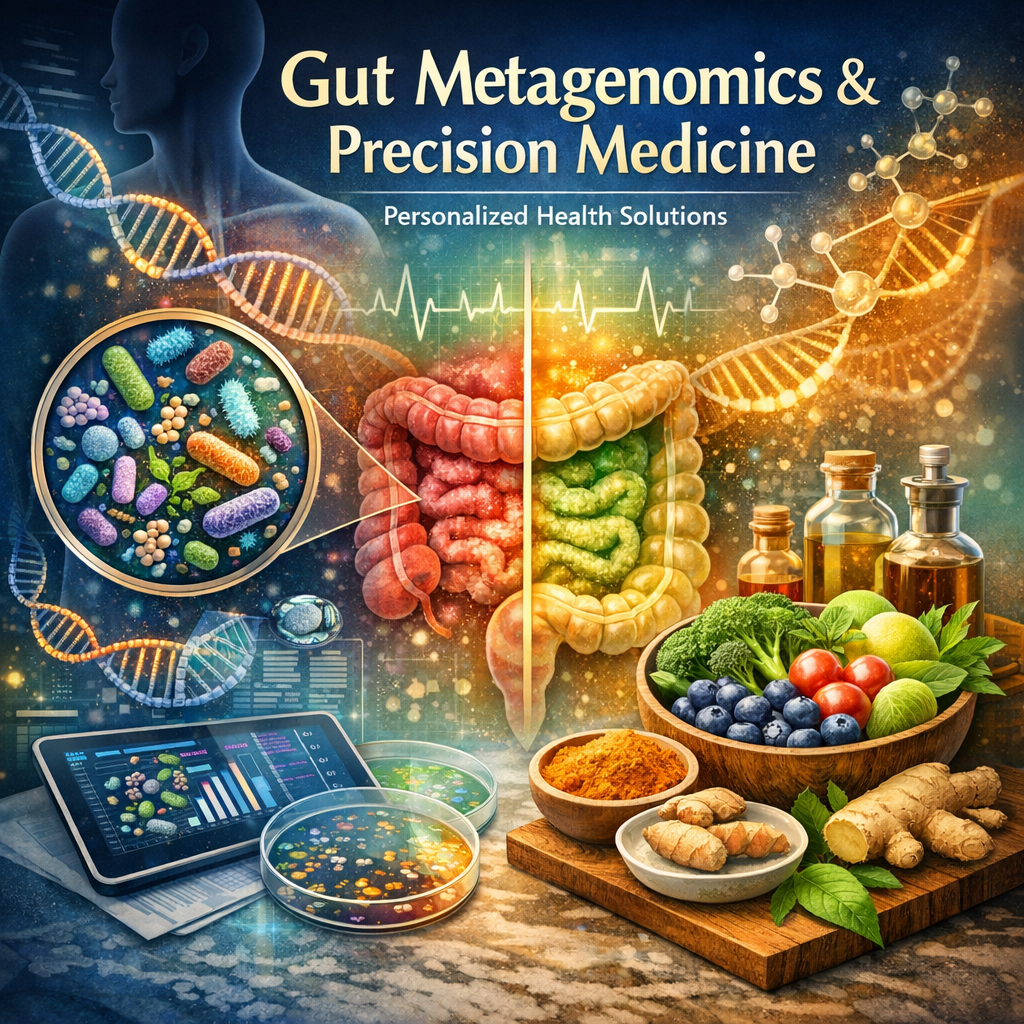
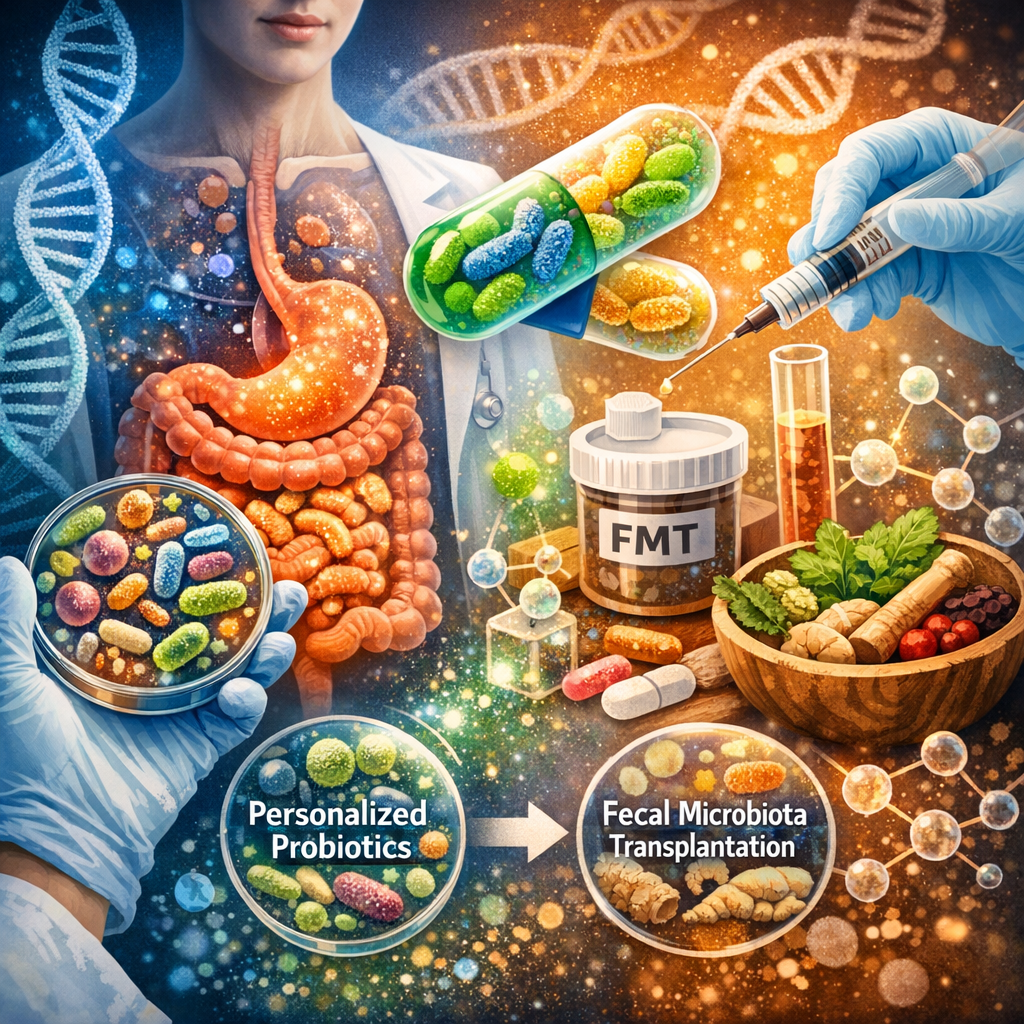
One of the pioneering advances in this field is the development of personalized probiotics. Unlike conventional probiotics that offer a one-size-fits-all solution, these tailored formulations are designed based on an individual’s unique microbiome composition. Scientists can now sequence the DNA of gut microbes, allowing for a more targeted approach to probiotics. By enhancing the beneficial bacteria specific to each person’s gut environment, these innovations promise more effective restoration of a healthy balance.
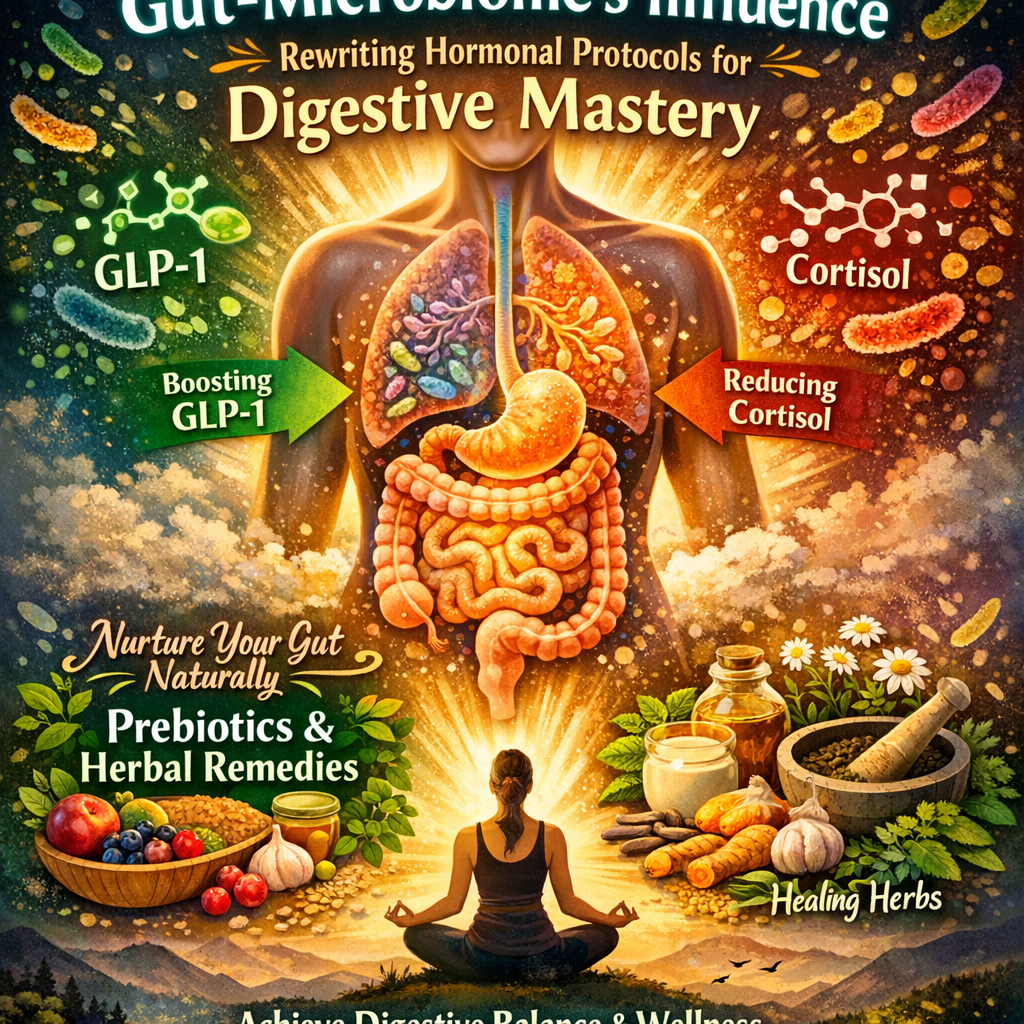
Another exciting area of research is the use of prebiotics and postbiotics—compounds that fuel beneficial bacteria and the metabolites they produce, respectively. Emerging studies indicate that synergies between these elements and existing probiotics might offer significant boosts to gut health. Moreover, innovative practices such as fecal microbiota transplantation (FMT) are gaining traction. FMT involves transferring stool from a healthy donor to a patient with a compromised gut microbiome, aiming to restore balance and functionality within the intestinal flora.
Features: Professional and Medical Studies
The potential of biotech in gut health is supported by numerous professional and medical studies. A groundbreaking study published in the journal “Nature Medicine” demonstrated the efficacy of personalized probiotics. Researchers at the Weizmann Institute of Science in Israel conducted an in-depth analysis separating individuals based on their microbiome profiles and correlated specific strains of probiotics with improved gut function and reduced symptoms of digestive disorders. These findings highlight the shift towards personalized medicine that tailors interventions to individual needs rather than generalized treatments.
Moreover, studies have underscored the importance of synbiotics—a synergistic combination of probiotics and prebiotics—in improving gut health. Research conducted by Stanford University found that a diet rich in high-fiber, plant-based foods significantly enhanced the gut microbiota diversity, creating an optimal environment for both probiotics and prebiotics to thrive. The study emphasized the benefits of identifying and incorporating specific prebiotics that cater to an individual’s microbiome, further advancing personalized nutritional strategies for gut health.
In the realm of fecal microbiota transplantation, a study published in “The New England Journal of Medicine” revealed promising results in treating Clostridium difficile infections, a condition caused by imbalanced gut flora. The research demonstrated significantly higher success rates in resolving infections compared to traditional antibiotic treatments. This highlights the potential of FMT as a powerful tool for restoring gut health and combating microbial imbalances associated with various conditions.
These studies collectively underscore the transformative impact of cutting-edge biotech on gut health, illustrating how it empowers both patients and healthcare professionals to explore innovative solutions that encompass natural and scientific elements.
Conclusion
The fusion of biotechnology and gut health is not just reshaping how we approach digestive wellness; it is redefining the very essence of medical treatment. By leveraging advanced technologies to understand the intricacies of the gut microbiome, we are equipped with tools to unlock new, dynamic approaches to gut repair. As research continues to unfold, these radical innovations hold the promise of personalizing healthcare, enhancing outcomes, and ultimately empowering individuals to reclaim control over their digestive health. In an era where natural cures and technological advancements converge, the future of gut health is one teeming with potential and hope.
Concise Summary
Radical innovations in biotechnology are transforming gut health by unlocking the secrets of the gut microbiome. By understanding its balance, novel approaches such as personalized probiotics, prebiotics, postbiotics, and fecal microbiota transplantation offer targeted therapies for digestive disorders. Cutting-edge research highlights personalized medicine’s ability to enhance outcomes by catering to individual needs. Studies, including those in prestigious journals like “Nature Medicine” and “The New England Journal of Medicine,” underscore the promise of these biotechnological advances, paving the way for revolutionary solutions that restore gut health, thereby influencing digestion, immunity, and mental well-being.