Decoding Gut Pathways: The Hidden Role of Genomics in Chronic Digestive Disorders
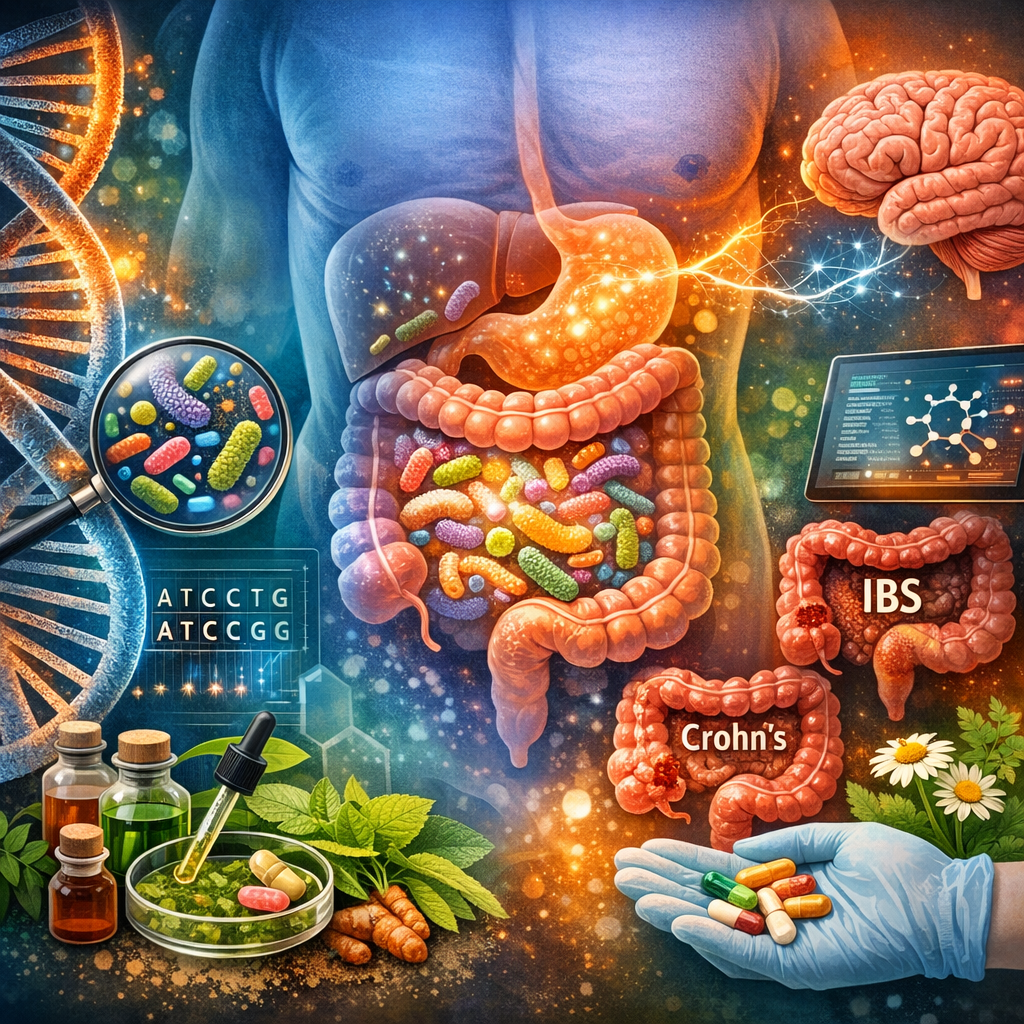
The human gut is a complex ecosystem teeming with bacteria, viruses, fungi, and other microorganisms. Its function extends far beyond digestion, playing integral roles in immune regulation, mental health, and overall well-being. However, when something goes awry within this intricate system, it can lead to chronic digestive disorders such as irritable bowel syndrome (IBS), Crohn’s disease, and ulcerative colitis. As modern medicine delves deeper into these conditions, genomics has emerged as a crucial piece of the puzzle.
Genomics, the study of an organism’s complete set of DNA, including all of its genes, offers insights that have previously been out of reach. This rapidly growing field seeks to understand how variations in the genome may influence health, disease, and how individuals respond to medical treatments. In the context of gut health, genomics is revealing how our genetic blueprint interacts with the microbiome and external factors such as diet and environment to maintain digestive equilibrium or contribute to disease.
Studies have shown that genomics can uncover genetic predispositions to certain digestive disorders, allowing for earlier intervention and personalized treatment plans. For example, variations in the NOD2 gene have been associated with Crohn’s disease, while mutations in the IL23R gene are linked to both Crohn’s disease and ulcerative colitis. Understanding these genetic factors can help healthcare providers tailor treatments to the individual, optimizing outcomes and minimizing adverse effects.
Moreover, genomics is revolutionizing how we approach natural and herbal treatments for gut health. By understanding the genetic factors at play, scientists can better orchestrate how natural compounds in herbs interact with our genetic makeup. Herbs like turmeric, characterized by its active compound curcumin, have been shown to exert anti-inflammatory effects by interacting with specific genetic pathways. As genomic research progresses, we anticipate a rise in genomics-driven, personalized herbal therapies that target and mitigate chronic digestive conditions more effectively.
Features: Exploring Genomics Through Groundbreaking Studies
The intersection of genomics and gut health is a dynamic field of research, with numerous studies shedding light on the underlying genetic factors in chronic digestive disorders. One pivotal study published in the journal [*Nature Genetics*](https://www.nature.com/articles/ng.764) explored the genetic architecture of inflammatory bowel disease (IBD). The research involved genome-wide association studies (GWAS) in which millions of genetic variants across thousands of individuals were analyzed. The study identified 163 genetic loci associated with IBD, highlighting genetic overlap with other immune-mediated diseases and unveiling pathways ripe for therapeutic exploration.
Another significant study by the Human Microbiome Project Consortium investigated the complex interplay between host genomes and their microbial environment. Published in [*Nature*](https://www.nature.com/articles/nature11209), this study demonstrated that the composition and functional potential of the microbiome are influenced by host genetics. The findings suggested that genetic variations could modify microbiota composition, impacting gut health and susceptibility to diseases.
Furthermore, a clinical trial conducted by researchers at Stanford University explored how personalized treatment plans for IBS, tailored to specific genetic profiles, improved patient outcomes. The study examined variations in serotonin reuptake transporter genes, offering insights into the effectiveness of tailored dietary and probiotic interventions for managing IBS symptoms ([Source](https://journals.lww.com/ajg/pages/articleviewer.aspx?year=2016&issue=05000&article=00002&type=Fulltext)).
The burgeoning field of nutrigenomics also deserves mention. This branch of genomics studies the relationship between nutrition and genetics, focusing on how genetic variations affect nutritional requirements and responses. A noteworthy study published in [*The American Journal of Clinical Nutrition*](https://academic.oup.com/ajcn/article/95/4/1008/4577066) highlighted how genetic variations in the TAS2R38 gene influenced individuals’ responses to bitter compounds in foods, emphasizing the importance of personalized dietary plans for optimal gut health.
Conclusion
The convergence of genomics and gut health is unlocking unprecedented opportunities for understanding and treating chronic digestive disorders. By mapping the genetic framework underlying these conditions, researchers are paving the way for personalized and genomics-driven interventions. As genetic research continues to unfold, so does the promise of natural and herbal therapies tailored to an individual’s unique genomic makeup. With the potential to revolutionize gut health management, genomics stands at the forefront of a new era in digestive health, promising tailored solutions for individuals and transforming the landscape of natural and medical treatments for years to come.
Concise Summary:
This article explores the critical role of genomics in understanding and treating chronic digestive disorders such as IBS, Crohn’s disease, and ulcerative colitis. With advancements in genomics, researchers are uncovering genetic predispositions and tailoring personalized treatments, optimizing therapeutic outcomes. Key studies, including genome-wide association studies (GWAS) and the Human Microbiome Project, underscore the interaction between genetics and the microbiome, impacting disease susceptibility. The article also highlights the potential of genomics-driven herbal therapies and nutrigenomics, emphasizing personalized approaches to nutrition and treatment. The convergence of genomics and gut health heralds a transformative era in digestive health interventions.