Harnessing the Gut’s Hidden Electric Grid: Innovative Neuromodulation Techniques for Treating Chronic Digestive Disorders
The human gut, often referred to as the body’s second brain, is a complex system of neurons known as the enteric nervous system (*ENS*). This network communicates with the brain and plays a crucial role in overall health by regulating digestion, mood, and more. Millions worldwide suffer from chronic digestive disorders like irritable bowel syndrome (*IBS*), gastroesophageal reflux disease (*GERD*), and inflammatory bowel disease (*IBD*), prompting the need for new treatment approaches. Neuromodulation is emerging as a non-pharmaceutical method to restore gut health and tackle these persistent issues.
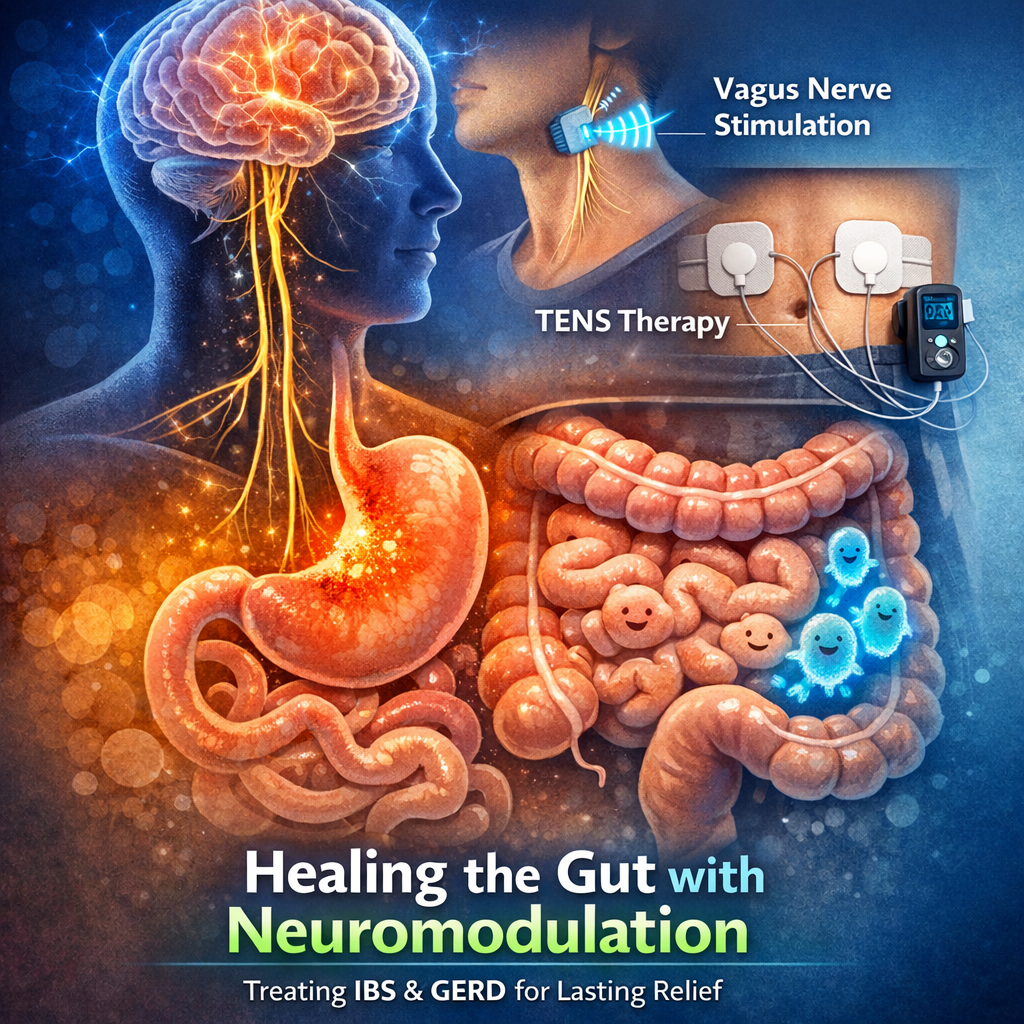
Neuromodulation involves using electrical, chemical, or magnetic stimulation to alter nerve activity. Initially utilized for pain management and neurological conditions, it is now being applied to gastrointestinal health. The *ENS* controls digestion through electric signals, which can be disrupted by conditions like inflammation. Neuromodulation techniques can recalibrate this system and restore normal function.
Recently, methods such as vagus nerve stimulation (*VNS*), transcutaneous electrical nerve stimulation (*TENS*), and sacral nerve stimulation (*SNS*) have gained attention. These techniques focus on the nervous pathways linking the gut and brain. VNS, for example, sends mild electrical pulses to the vagus nerve, which connects to brain centers, reducing inflammation and enhancing digestion. TENS units applied to the abdomen can also boost gut motility and provide pain relief.
Besides their effectiveness, neuromodulation techniques have a significant advantage over conventional treatments, which often come with side effects or provide only temporary relief. This approach offers a non-invasive, natural treatment option that taps into the body’s communication network, offering potential not just for symptom reduction but for long-term gut health restoration. As clinical trials progress, neuromodulation offers hope to those seeking alternative treatments for chronic digestive issues.
Features: Exploring Scientific Studies on Gut Neuromodulation
Numerous studies validate the promising potential of neuromodulation for gut health. A notable study in *Gastroenterology* highlighted clinical trials where vagus nerve stimulation significantly reduced symptoms in patients with treatment-resistant IBS. The study observed marked improvements in abdominal pain and bowel regularity. Moreover, the safety profile of *VNS* was favorable, with minimal side effects among participants.
Similarly, sacral nerve stimulation has shown promise for patients with fecal incontinence—a common issue with chronic digestive disorders. Research published in *Annals of Surgery* demonstrated that *SNS* provided sustained symptom relief over two years. The study emphasized the role of sacral nerves in modulating bowel function and noted improved quality of life for patients.
In addition, a study in the *Journal of Neurogastroenterology and Motility* examined the effects of TENS on IBS symptoms. The research showed that TENS could effectively alleviate pain and enhance bowel habits. Its non-invasive nature makes it an appealing option for long-term management of digestive disorders.
The exploration of these neuromodulation strategies signals a shift in medical practice from merely alleviating symptoms to addressing underlying neural dysfunctions. As research advances, neuromodulation could become a cornerstone in managing digestive diseases.
Conclusion
As we delve deeper into the gut’s electric grid, neuromodulation emerges as a transformative technique for treating chronic digestive disorders. By leveraging the gut-brain connection, this approach aligns with the body’s natural physiology, offering a promising path for patients seeking alternatives to traditional medications. Scientific advancements consistently validate the efficacy and safety of neuromodulation, making it an innovative strategy in gut health management. For many, it could represent not just relief from symptoms, but a journey toward lasting wellness and balance in digestive health.
Concise Summary
Neuromodulation, leveraging the body’s gut-brain communication network, emerges as a promising non-pharmaceutical treatment for chronic digestive disorders such as IBS, GERD, and IBD. Techniques like vagus nerve stimulation, transcutaneous electrical nerve stimulation, and sacral nerve stimulation provide symptom relief and restore normal gut function with minimal side effects. As validated by scientific studies, these methods could revolutionize gut health management by targeting underlying neural dysfunctions, offering patients long-term wellness and effective alternatives to traditional treatments.
References
1. [Gastroenterology](https://www.gastrojournal.org/)
2. [Annals of Surgery](https://journals.lww.com/annalsofsurgery)
3. [Journal of Neurogastroenterology and Motility](https://www.jnmjournal.org)