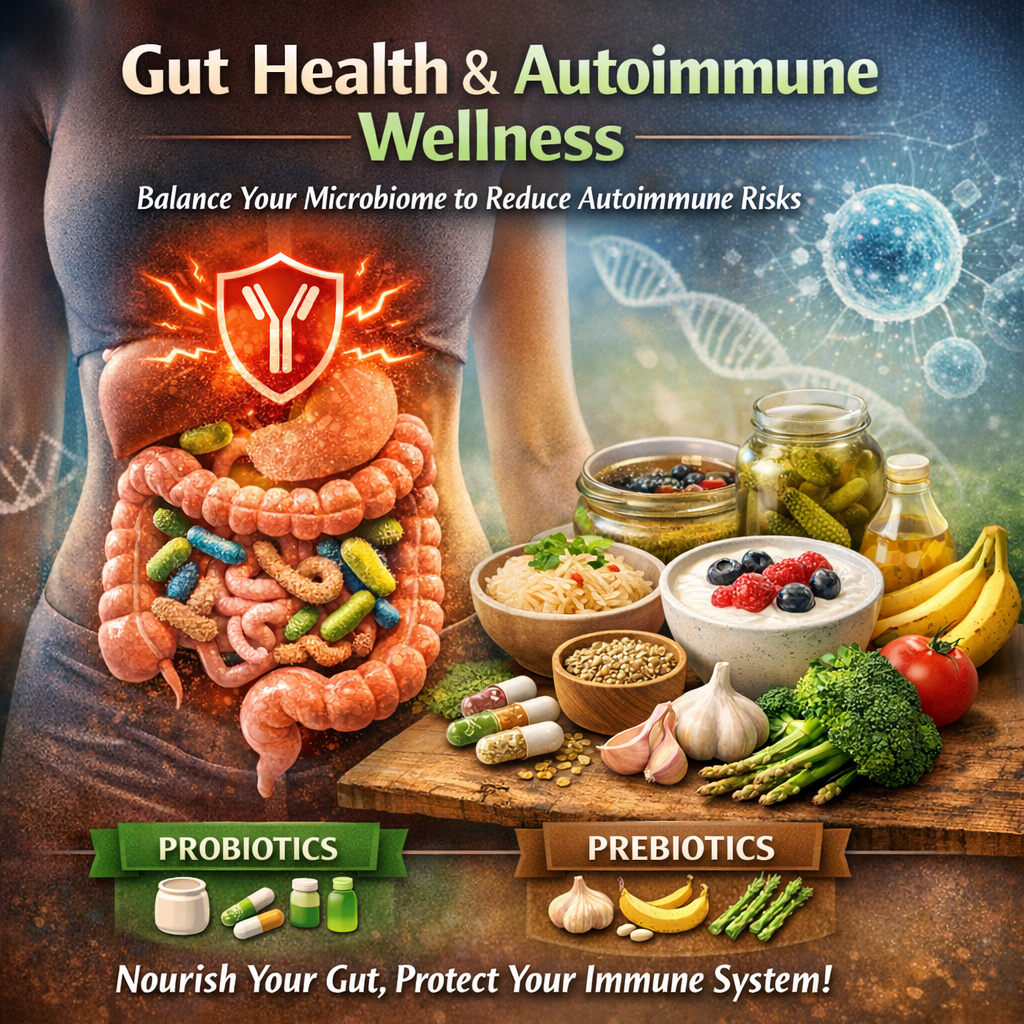
Decoding the Unseen: The Microbiome’s Role in Autoimmune Cross-Reactivity and Its Implications for Gut Health
Introduction
In recent years, the term microbiome has gained significant traction, especially in discussions surrounding gut health and its implications for well-being. As research into the complexities of the human body continues to unfold, the gut microbiome has emerged as a key player not only in digestion but in maintaining immune homeostasis and influencing autoimmune responses. Autoimmune diseases—conditions where the immune system mistakenly attacks the body’s own cells—have seen an alarming rise, and scientists are pinpointing the gut as a crucial area of interest.
This interest is compounded by the phenomenon of autoimmune cross-reactivity, where immune responses against foreign antigens may inadvertently target the body’s own tissues due to molecular mimicry. In simpler terms, components of pathogens or harmless substances resembling the body’s own proteins can trigger this cross-reactivity, spiraling into an autoimmune attack. The microbiome, with its array of microorganisms, plays a pivotal role in this process. A balanced microbiome aids in defending against harmful pathogens and modulating immune responses, while a disrupted microbiome can contribute to immune dysregulation.
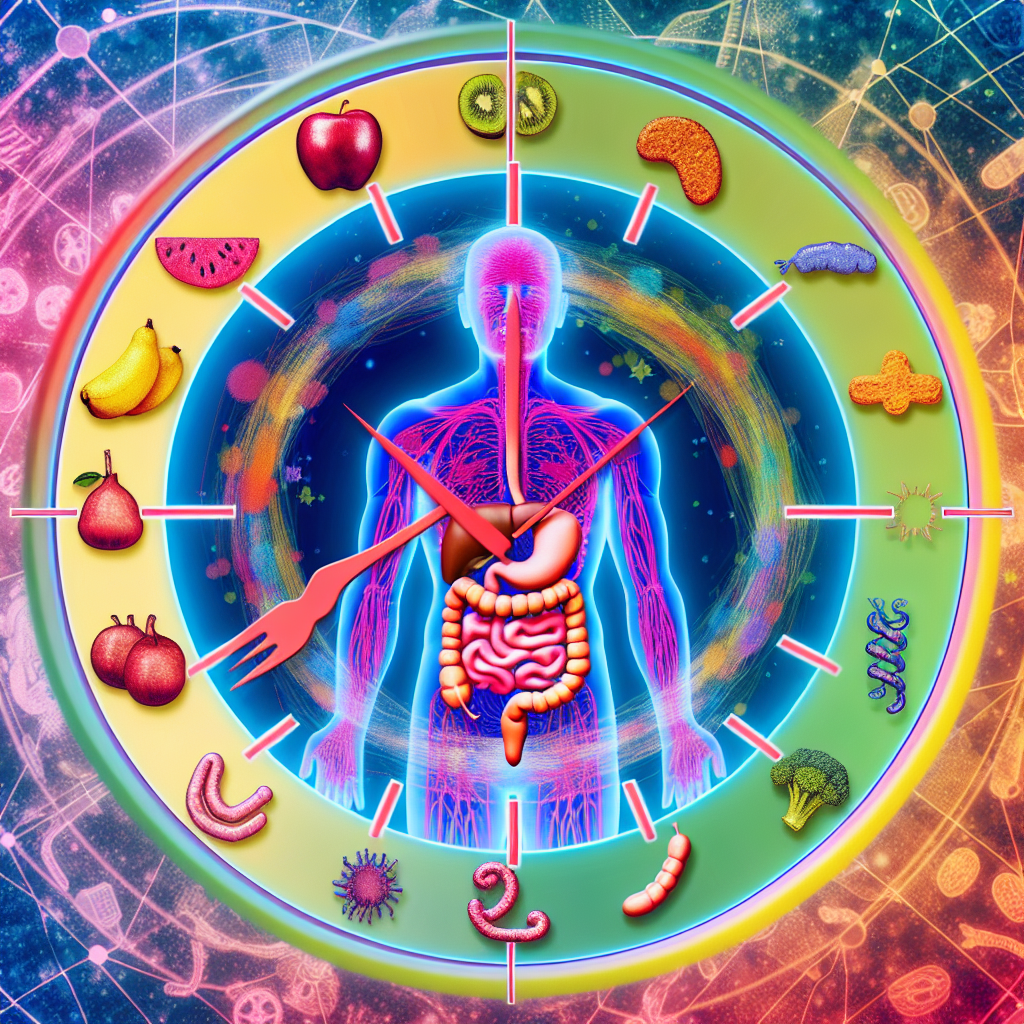
The modern lifestyle, characterized by excessive consumption of processed foods, diminished physical activity, and the overuse of antibiotics, significantly disrupts our gut’s bacterial population. Diets rich in refined sugars and low in fiber reduce bacterial diversity and foster environments prone to inflammatory conditions. This imbalance, known as dysbiosis, can compromise the intestinal barrier, enabling the translocation of bacteria or their metabolites into the bloodstream and further fueling inflammatory pathways and potential autoimmune triggers.
Beneath the surface, the connection between gut health and immune function might seem daunting, yet it offers a chance to utilize natural interventions to restore balance. Probiotics, prebiotics, and a diet enriched with whole foods are some of the holistic approaches gaining popularity. Understanding the condition of the microbiome and its significant influence on autoimmune responses equips individuals with the knowledge to make informed lifestyle adjustments, mitigating risks associated with autoimmune conditions.
Features
Recent studies have reinforced the proposition that the health of the microbiome is intricately linked to autoimmune diseases and cross-reactivity phenomena. A 2020 study published in *Nature* highlighted the association between gut microbiota imbalances and autoimmune responses. Researchers observed that individuals with specific autoimmune diseases had significantly different microbial compositions in their guts compared to healthy individuals. These findings suggested that specific bacterial species might trigger or exacerbate autoimmune reactions through cross-reactivity.
An interesting study in the *Journal of Immunology* explored the role of Bacteroides fragilis, a gut bacterium known for its regulatory effect on the immune system. Its polysaccharide A (PSA) molecule can suppress inflammatory responses and fortify the body’s defense mechanisms against potential autoimmune attacks. Understanding such interactions is crucial in identifying gut bacteria that could be manipulated to prevent or alleviate autoimmune conditions.
While genetic predispositions play a role in autoimmune diseases, environmental factors—chiefly, the microbiome—are significant influencers. The hygiene hypothesis posits that reduced microbial exposure, often due to hygiene practices and antibiotic overuse in industrialized nations, may lead to inadequate immune education, contributing to autoimmune diseases.
Research is also teeming with insights into the value of prebiotics and probiotics for managing gut health. A 2019 review in the *Frontiers in Immunology* emphasized how probiotics like Lactobacillus and Bifidobacterium can boost gut flora diversity while modulating immune responses. Incorporating these into one’s diet can serve as a preventive mechanism against the onset of autoimmune conditions.
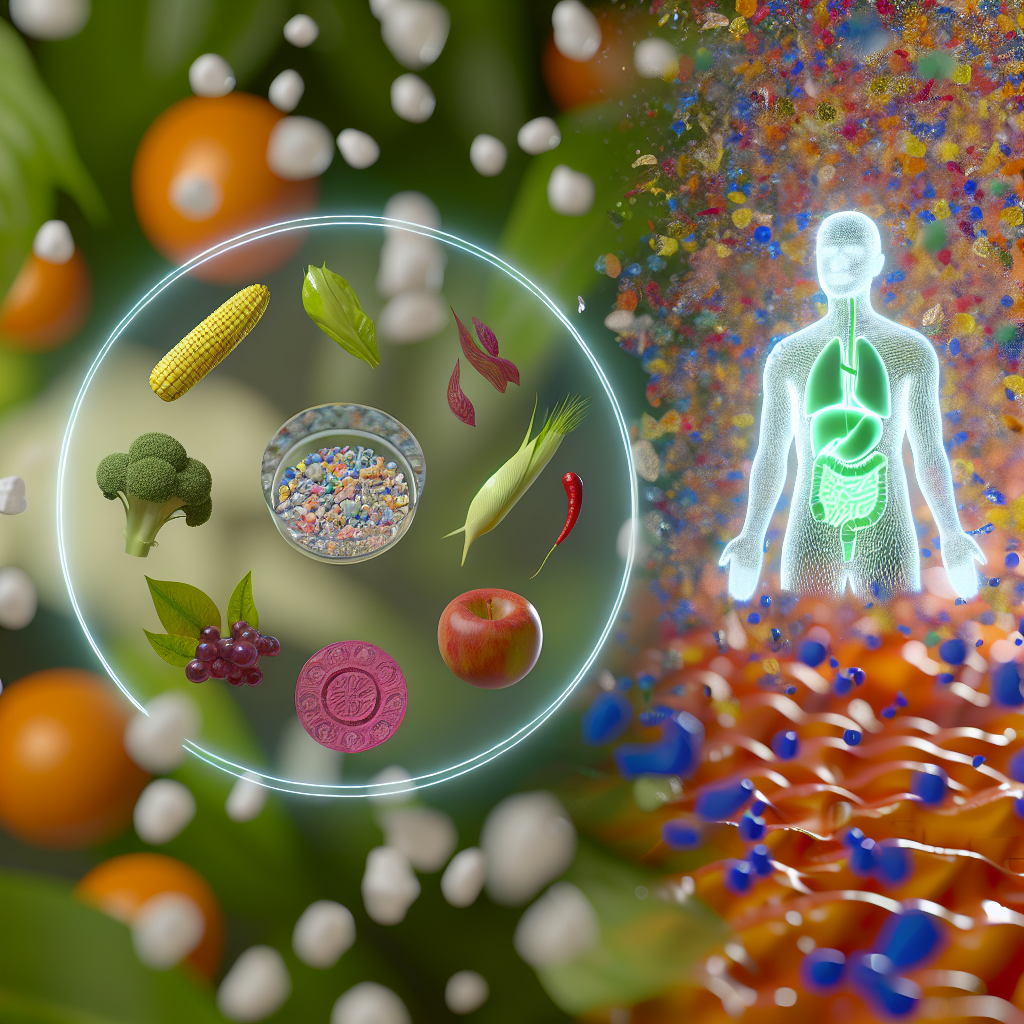
Nutritional interventions, too, provide a foundation for maintaining gut and systemic health. A balanced diet, rich in fiber and polyphenols from fruits, vegetables, and whole grains, promotes a thriving microbiome by serving as a substrate for beneficial bacteria. Nutritional research underscores the powerful impact of these food sources on enhancing microbial diversity, fostering an environment less inclined to support dysbiosis-associated pathologies.
Conclusion
In grasping the vast influence of the microbiome on autoimmune cross-reactivity and gut health, the crux lies in adopting a balanced lifestyle reinforced by dietary changes and smart usage of supplements like probiotics. While genetic predispositions to autoimmune diseases remain unalterable, the microbial environment can be significantly nurtured. As scientific exploration advances, embracing holistic lifestyle changes rooted in contemporary research is essential for optimizing gut health and mitigating risks of autoimmune diseases. The potential to decode and recalibrate one’s microbiome offers transformative possibilities for health and longevity.
Concise Summary
The article explores how the gut microbiome influences autoimmune diseases through cross-reactivity and molecular mimicry. Dysbiosis, caused by modern lifestyles, disrupts immune homeostasis and increases autoimmune risks. Factors like diet, probiotics, and prebiotics can modify microbiota to reduce inflammation and autoimmune triggers. Research shows specific gut bacteria, such as Bacteroides fragilis, aid immune regulation and effect preventative autoimmune interventions. Emphasizing a fiber-rich and polyphenol-based diet supports microbial diversity, countering inflammation. Balancing lifestyle with dietary changes can nurture the microbial environment, mitigating autoimmune risks.
References
1. [Rooks, M. G., & Garrett, W. S. (2016). Gut microbiota, metabolites and host immunity. *Nature Reviews Immunology*](https://www.nature.com/articles/nri.2016.35)
2. [Round, J. L., & Mazmanian, S. K. (2009). The gut microbiota shapes intestinal immune responses during health and disease. *Nature Reviews Immunology*](https://www.nature.com/articles/nri2515)
3. [Manzel, A., Muller, D. N., Hafler, D. A., Erdman, S. E., Linker, R. A., & Kleinewietfeld, M. (2014). Role of “Western diet” in inflammatory autoimmune diseases. *Current Allergy and Asthma Reports*](https://link.springer.com/article/10.1007/s11882-014-0410-z)