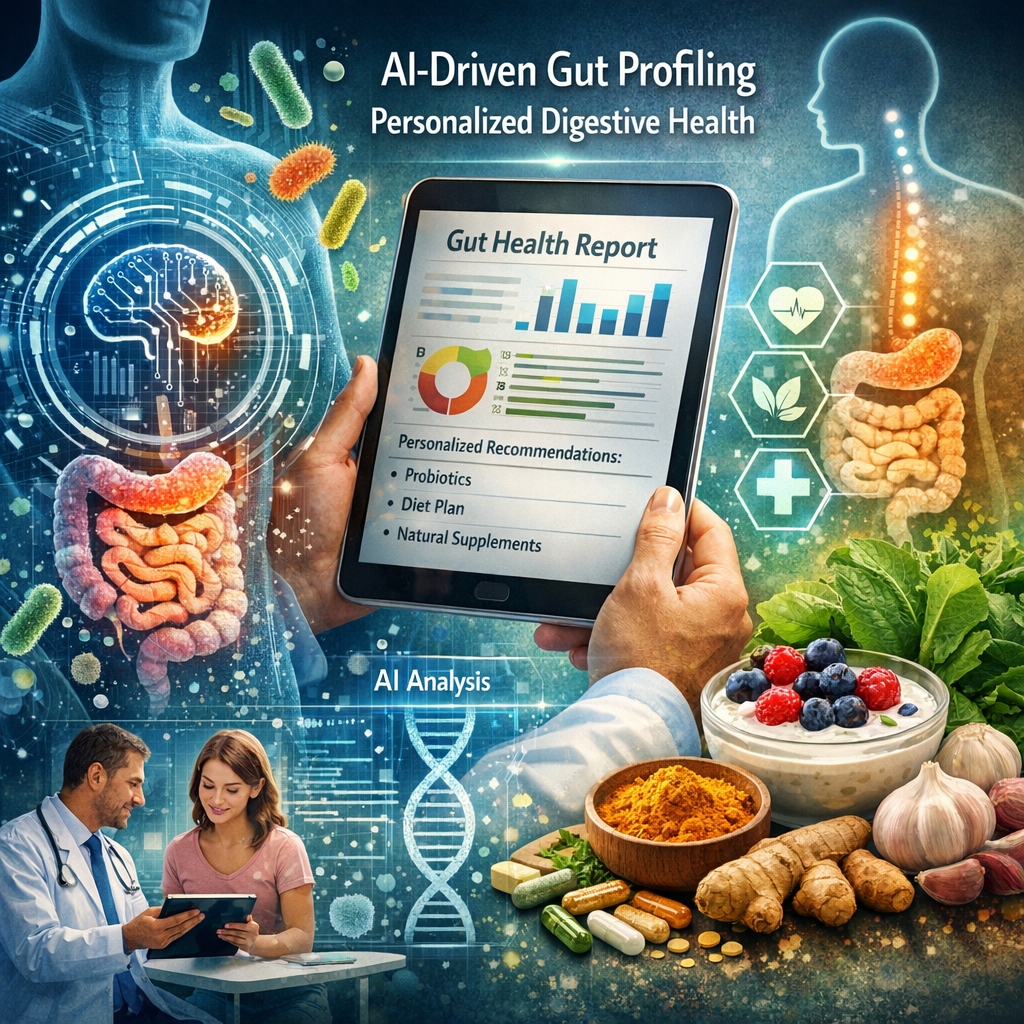
Harnessing Systems Biology: The Role of Gut Metagenomics in Precision Medicine
Introduction
In recent years, the complexities of the human gut microbiome have fascinated scientists, dieticians, and medical professionals alike, offering groundbreaking insights that are revolutionizing our understanding of health and disease. The gut, often termed the “second brain,” is home to trillions of microorganisms. These microorganisms play a crucial role in digestion, immunity, and even mental health. With the emergence of systems biology, a holistic approach to understanding the interactions within biological systems, scientists have turned their attention to metagenomics to explore the genetic material of these microbial communities.
Metagenomics is a groundbreaking technique that allows for the study of genetic material recovered directly from environmental samples, in this case, the gut. Unlike traditional microbiology, which typically focuses on culturing individual strains, metagenomics provides a more detailed and comprehensive picture of the microbial ecosystem, including the myriad of bacteria that cannot be cultured in the lab. This has profound implications for precision medicine, a healthcare model that aims to customize treatment strategies based on individual variability in genes, environment, and lifestyle.
Precision medicine leverages the insights gained from the gut microbiome to tailor therapeutic interventions more accurately. Understanding individual microbiomes can aid in predicting disease risk, evaluating a patient’s response to treatments, and developing new, targeted therapies. The potential applications are vast—from managing gastrointestinal disorders to influencing systemic diseases like diabetes, obesity, and even mental health conditions.
Scientists are beginning to decipher how alterations in the gut microbiome can contribute to or protect against various diseases. For instance, specific microbial signatures have been linked to conditions such as Irritable Bowel Syndrome (IBS), Crohn’s disease, and ulcerative colitis. Additionally, personalized nutrition and probiotics are being explored as ways to modify the gut microbiome to enhance health [1]. As research continues to unfold, the integration of systems biology and gut metagenomics promises to unlock new dimensions in precision medicine.
Features
Numerous studies underscore the role of metagenomics in advancing precision medicine. A landmark study published in “Nature” highlighted how gut metagenomics could predict responses to dietary interventions among individuals with metabolic disorders. Researchers could identify specific microbial patterns associated with Type 2 diabetes, leading to personalized diet plans that significantly improved patients’ conditions. This exemplifies how gut microbiome analysis can facilitate tailored dietary recommendations—an integral component of precision medicine.
Another pivotal study conducted by the Human Microbiome Project Consortium provided a comprehensive framework for understanding the human microbiome’s role in health and disease. By mapping the microbiome of healthy individuals, researchers established a baseline that allows for the identification of microbial deviations linked to disease states. This work laid the groundwork for developing microbiome-based diagnostic tools, which are currently being explored for diseases like colorectal cancer and cardiovascular diseases.
Moreover, a clinical trial detailed in “The Journal of Clinical Investigation” examined the impact of fecal microbiota transplantation (FMT) on patients with Clostridium difficile infections. The study demonstrated that FMT effectively restored healthy microbial diversity, offering a potent treatment solution that could be integrated into precision medicine models. This has far-reaching implications as researchers explore FMT’s potential applications in treating conditions like inflammatory bowel disease and even certain neurological disorders.
The interplay between the gut microbiome and the immune system is another critical area of interest. A study in “Cell” explicated how specific bacterial strains in the gut could modulate immune responses, influencing autoimmunity and susceptibility to infections. Such insights can lead to the development of microbiome-based immunotherapies, offering targeted approaches to bolster the immune system or alleviate autoimmune diseases.
Conclusion
The convergence of systems biology, metagenomics, and precision medicine heralds an exciting frontier in healthcare. By delving into the complexities of the gut microbiome, researchers can unlock personalized treatment strategies that align with an individual’s unique genetic and biological profile. While the journey is just beginning, the implications for managing and potentially curing an array of diseases are profound. As we continue to explore the intricate connections within the human body, harnessing the power of gut metagenomics will undoubtedly be a cornerstone in the evolution of precision medicine, enabling healthcare to move from a one-size-fits-all approach to truly personalized care.
References
1. Probiotics for Human Health
2. Personalized Nutrition by Prediction of Glycemic Responses
3. Structure, Function and Diversity of the Healthy Human Microbiome
4. Fecal Microbiota Transplantation: A New Standard
5. Gut Microbiota Modulate Immune Responses
Summary: The integration of systems biology and gut metagenomics offers revolutionary insights into precision medicine. By studying the gut microbiome’s genetic material, researchers can personalize treatment strategies, predict disease risk, and develop targeted therapies. These advancements promise more individualized care for conditions like diabetes, obesity, and autoimmune diseases, shifting healthcare from a one-size-fits-all approach to truly personalized solutions.