Is Your Gut the Brain’s Secret Ally? Discover the Unseen Forces Behind Cognitive Enhancement
Introduction
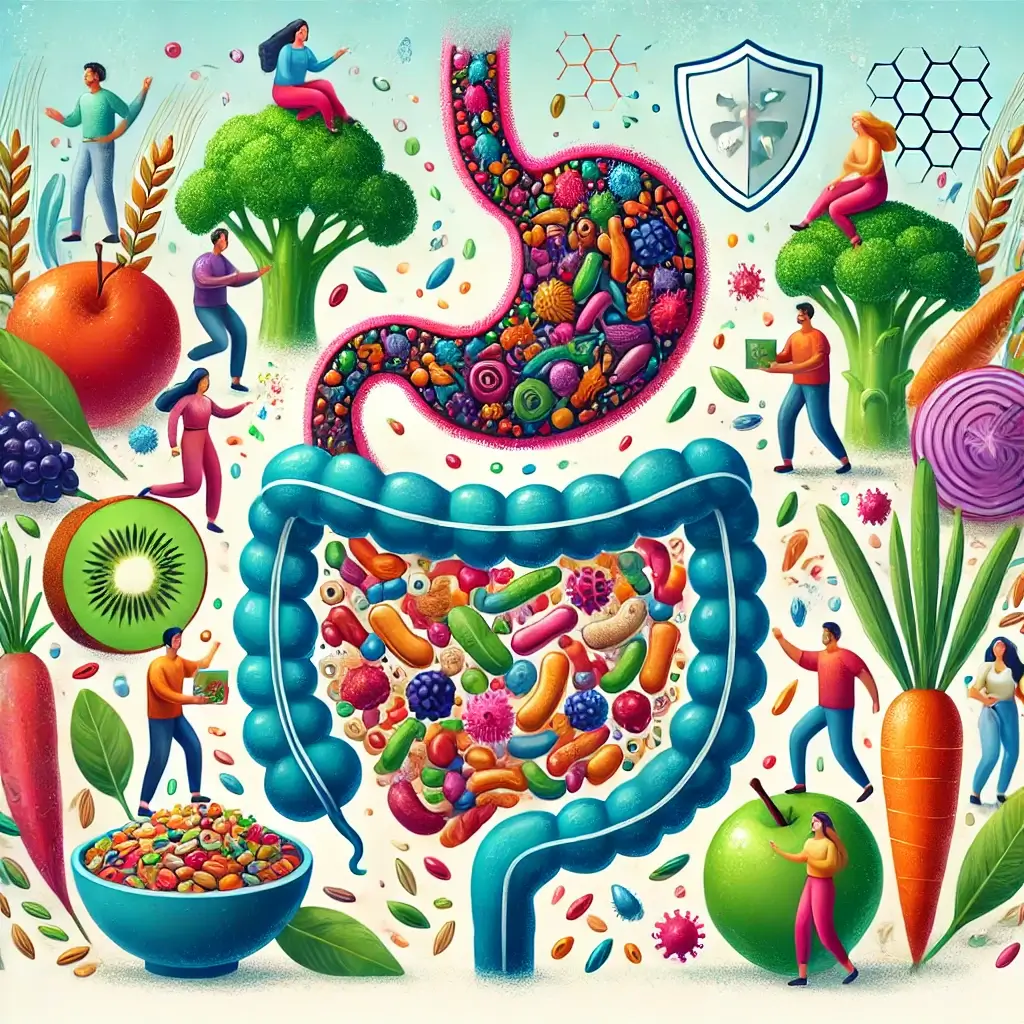
The concept of the gut as the “second brain” is gaining increasing attention, but could it also be an indispensable partner to our actual brain, unlocking untapped cognitive potential? The human gut is home to trillions of microorganisms that form an intricate community known as the gut microbiota. Recent research suggests these microorganisms play a significant role in brain health and cognitive function, acting as a silent partner in enhancing mental acuity and emotional well-being. However, how do these microscopic entities influence the vast complexities of the human brain? And how can natural cures and herbal treatments optimize this gut-brain axis for better cognitive performance?
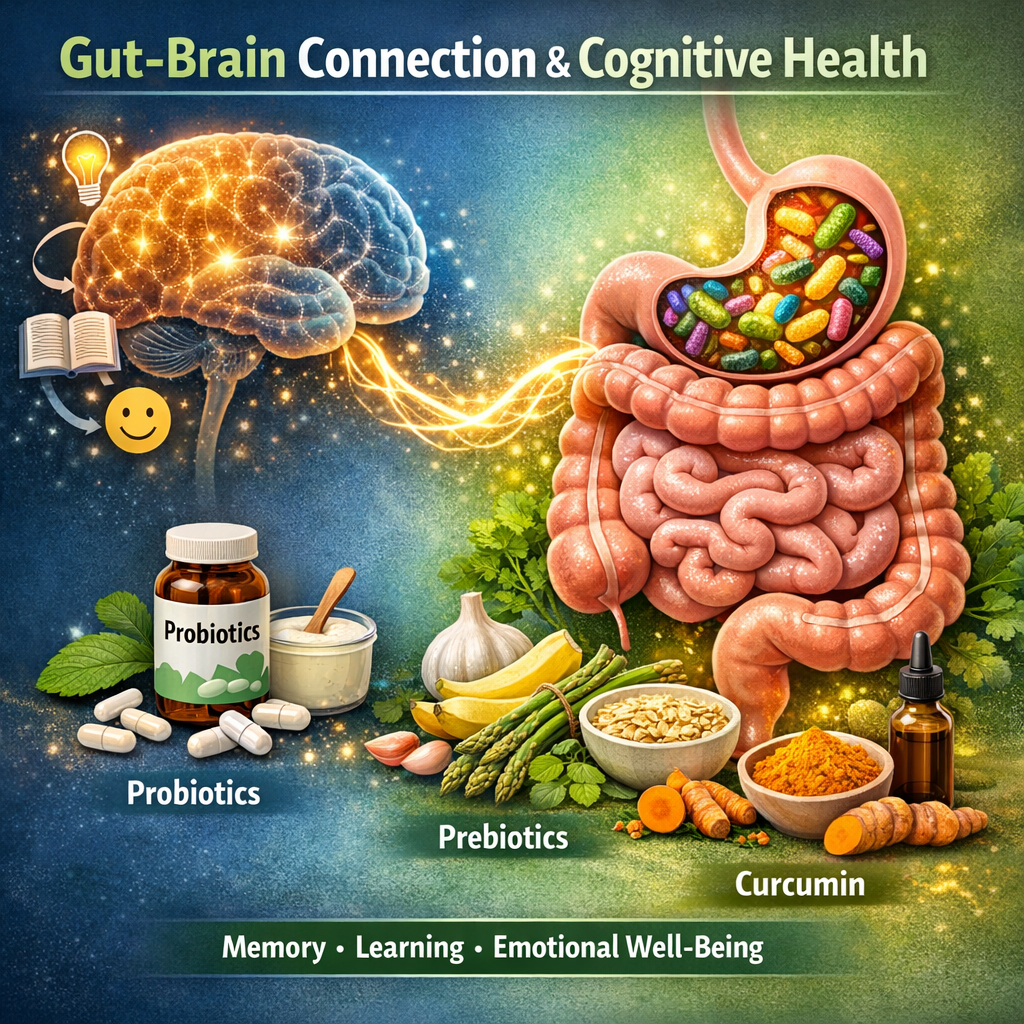
The gut-brain connection is often mediated by the gut microbiota, which interacts with the central nervous system through nerves, hormones, and immune pathways. This complex, bidirectional communication network is sometimes referred to as the gut-brain axis. On a rudimentary level, changes in the gut can influence how we think and feel. But more profound is the growing body of evidence that suggests gut health can impact memory, learning, and even long-term brain resilience against age-related decline and neurological disorders. While the full scope of this connection is still a mystery, the therapeutic potential of a balanced gut cannot be overstated.
For individuals searching for natural interventions to boost cognition, attention should be turned towards fostering a healthy gut environment. Herbal treatments like turmeric, rich in the active compound curcumin, have been shown to have powerful anti-inflammatory and antioxidant properties that could help preserve neurological health. Similarly, probiotics and prebiotics can aid in maintaining a balanced gut microbiota, enhancing overall mental faculties. The science of gut health is promising not just as a frontier in physical wellness but as a profound pathway for boosting brain power and psychological resilience.
Features
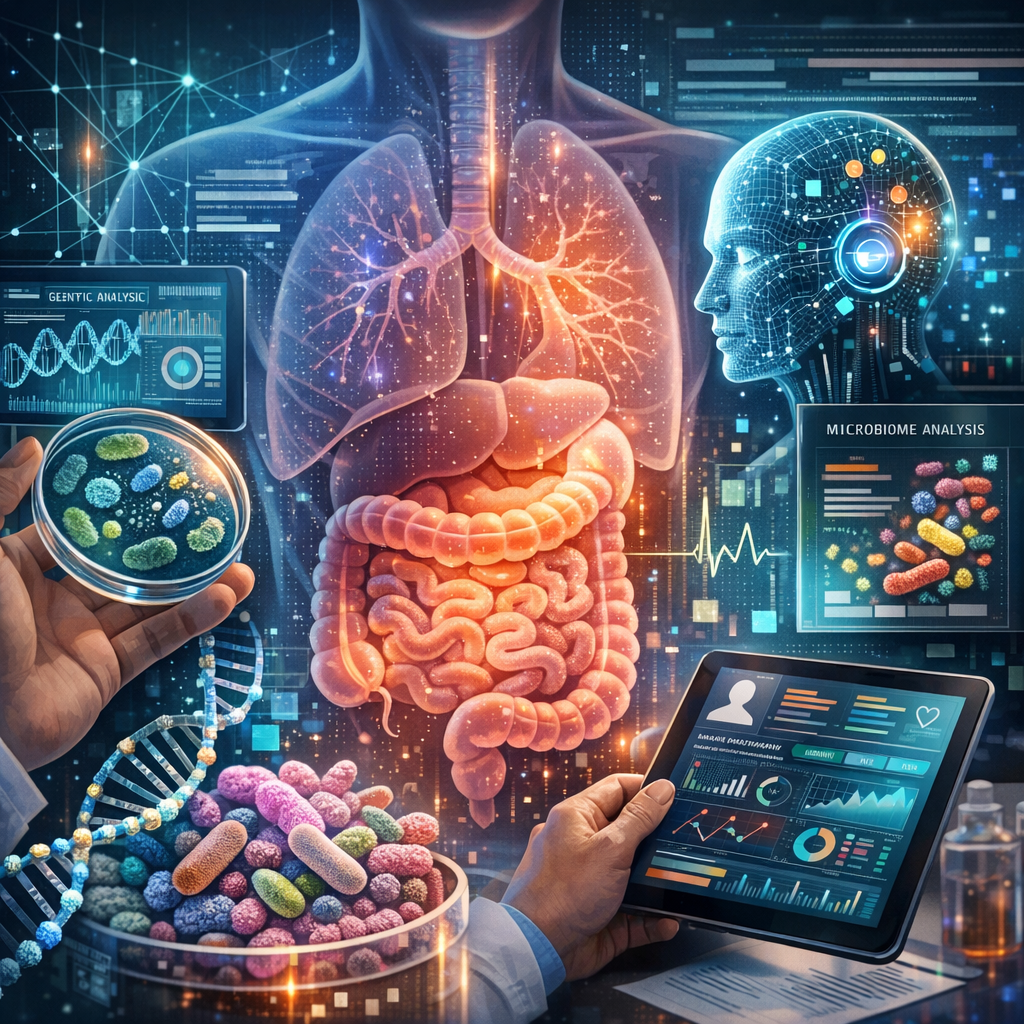
Numerous studies have highlighted the significant role of the gut microbiome in brain function and cognitive enhancement. A study published in the journal [*Psychosomatic Medicine*](https://pubmed.ncbi.nlm.nih.gov/31066876/) has reviewed the interplay between the gut microbiota and stress-related disorders, shedding light on how gut health could factor into mood and cognitive disorders. Another study in the [*Journal of Clinical Investigation*](https://www.ncbi.nlm.nih.gov/pmc/articles/PMC6452239/) explored how gut microbes produce neuroactive compounds that can modulate brain function, potentially affecting mood and cognitive behaviors.
Remarkably, the gut-brain axis has also been linked to neurodegenerative diseases such as Alzheimer’s. A 2017 study showed that an imbalance in gut microbiota could exacerbate amyloid-beta pathology, a hallmark of Alzheimer’s disease, emphasizing the importance of maintaining gut health for neurological protection ([*Frontiers in Aging Neuroscience*](https://www.frontiersin.org/articles/10.3389/fnagi.2017.00276/full)). Furthermore, research in [*Gastroenterology*](https://www.gastrojournal.org/article/S0016-5085(16)34250-0/fulltext) has found that specific strains of bacteria in probiotics could even improve memory retention and learning, indicating a promising avenue for natural cognitive enhancement.
Herbal treatments have long been used in traditional medicine and are seeing a resurgence due to their potential cognitive benefits. Turmeric and its active ingredient, curcumin, have shown promise in reducing neuroinflammation and protecting against cognitive decline through their powerful antioxidant properties. Studies have demonstrated that curcumin can cross the blood-brain barrier and provide neuroprotective effects, potentially offsetting the risk of Alzheimer’s and other neurodegenerative disorders ([*Biofactors*](https://www.ncbi.nlm.nih.gov/pmc/articles/PMC5843042/)).
Conclusion
In conclusion, the gut-brain axis represents a pivotal gateway for enhancing cognitive health through natural and holistic approaches. As research continues to unravel the critical roles the gut microbiota play in brain function, it becomes increasingly clear that maintaining gut health is not only vital for physical well-being but also mental acuity and emotional resilience. Natural therapeutics like probiotics, prebiotics, and herbal remedies such as curcumin offer promising benefits in nurturing this important connection. As we look towards a future where cognitive enhancement is a natural byproduct of a healthy gut, integrating these natural treatments into daily life may indeed unlock new potentials for enhanced mental performance and well-being.
References
1. [*Psychosomatic Medicine*](https://pubmed.ncbi.nlm.nih.gov/31066876/)
2. [*Journal of Clinical Investigation*](https://www.ncbi.nlm.nih.gov/pmc/articles/PMC6452239/)
3. [*Frontiers in Aging Neuroscience*](https://www.frontiersin.org/articles/10.3389/fnagi.2017.00276/full)
4. [*Gastroenterology*](https://www.gastrojournal.org/article/S0016-5085(16)34250-0/fulltext)
5. [*Biofactors*](https://www.ncbi.nlm.nih.gov/pmc/articles/PMC5843042/)
Concise Summary:
The gut, often termed the “second brain,” plays a crucial role in cognitive enhancement through its integral link, known as the gut-brain axis, with the central nervous system. Trillions of microorganisms in the gut microbiota influence brain health, mood, memory, and resilience against neurological disorders. Natural interventions like turmeric (curcumin), probiotics, and prebiotics can support this intricate relationship, offering promising avenues for cognitive benefits. As research advances, maintaining gut health emerges as vital not just for physical wellness, but for mental acuity and emotional stability.