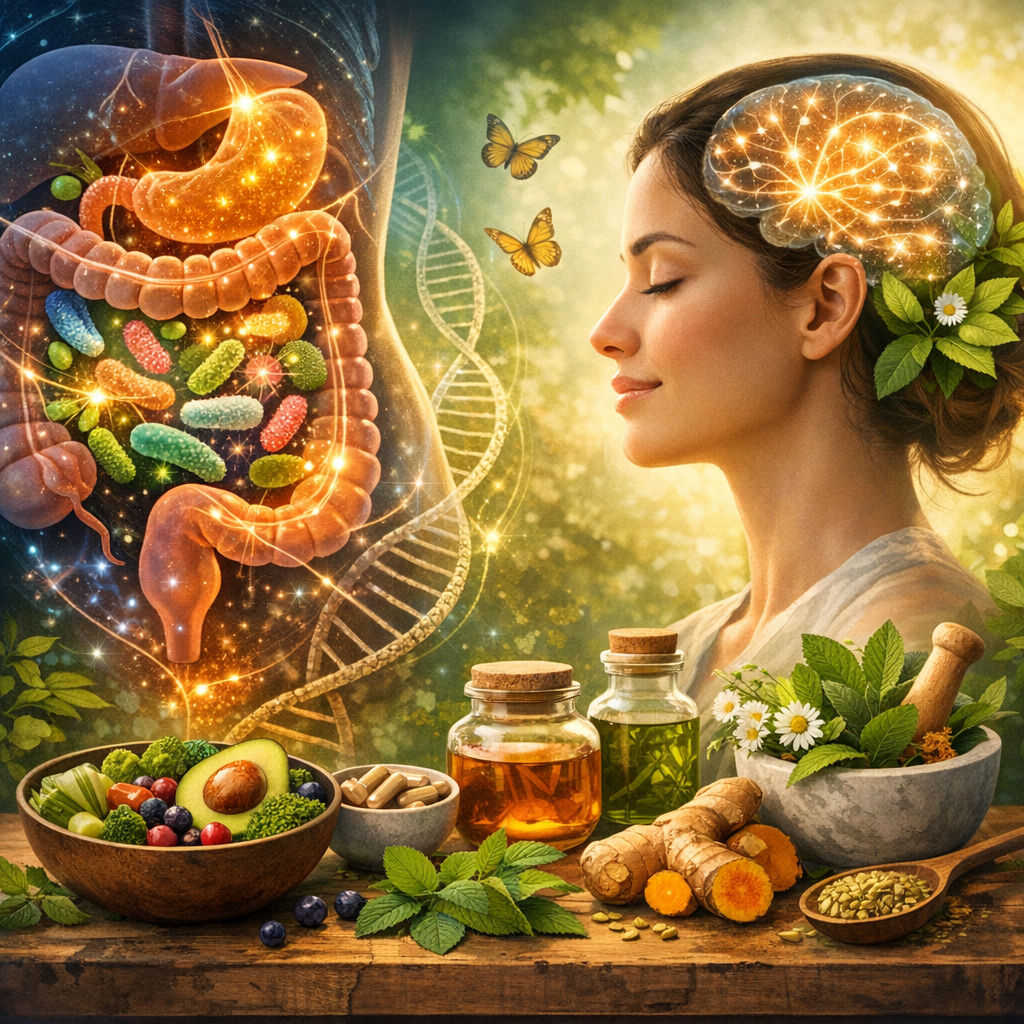
Dynamic Pathways: Navigating the Intersection of Gut Microbiome Evolution and Personalized Mental Health Protocols
Introduction
In the ever-evolving landscape of health and wellness, the gut microbiome has emerged as a critical player in not only digestive health but also mental well-being. The groundbreaking notion that our gut bacteria can influence our psychological state is reshaping holistic medicine. This connection between the gut and the brain, often referred to as the gut-brain axis, provides fascinating insights into how our internal ecosystems might hold the key to personalized mental health protocols.
The gut microbiome is composed of trillions of microorganisms, including bacteria, viruses, fungi, and other microbes, residing primarily in the large intestine. This dynamic community works symbiotically with the host to perform essential functions such as digestion, immune system modulation, and protection against pathogens. Recent studies suggest that the microbiome’s intricate ecosystem influences neurotransmitter production, directly impacting mood and cognitive functions. This realization has propelled a surge of interest in developing natural and herbal treatments tailored to optimize mental health through gut health.
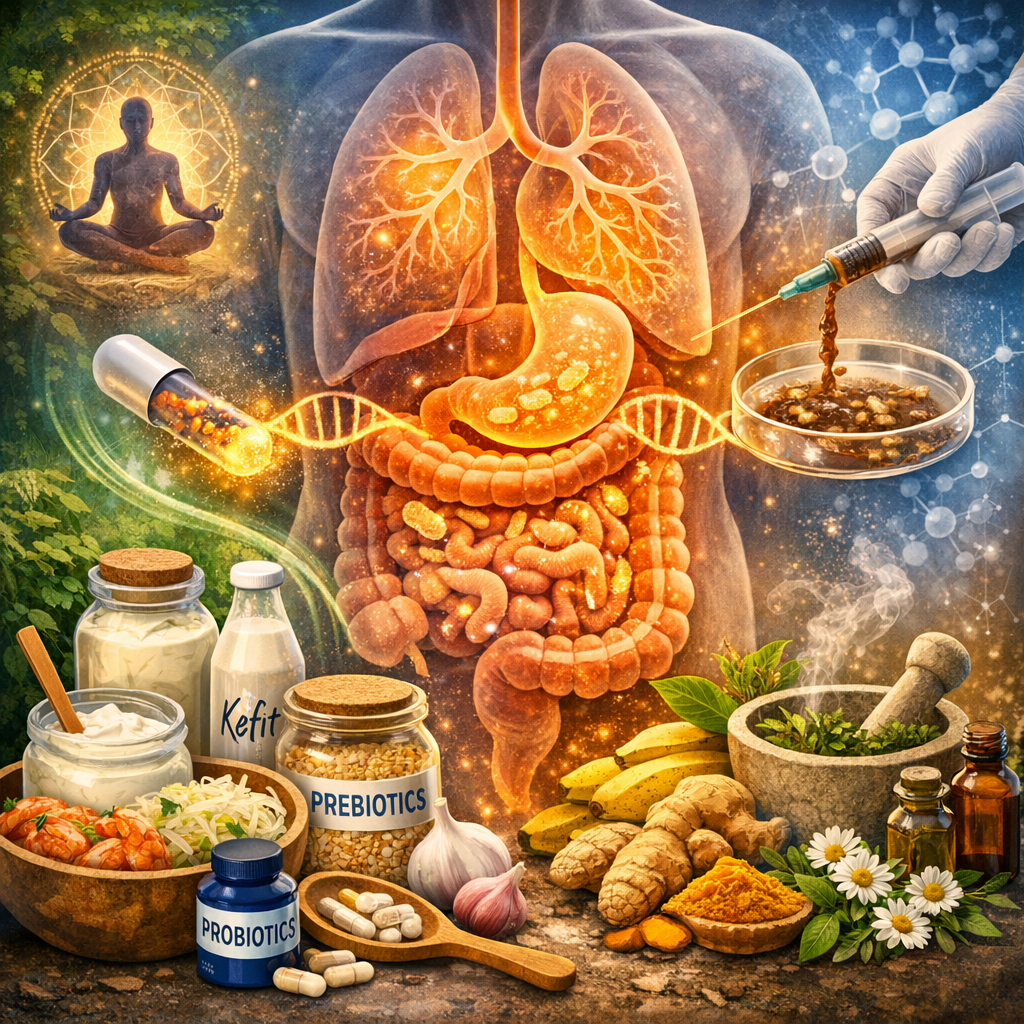
The evolution of the gut microbiome is unique to each individual, shaped by factors such as genetics, diet, lifestyle, and even geographical location. This uniqueness suggests that any therapeutic approach targeting the microbiome for mental health benefits must be personalized. More healthcare providers and researchers are endorsing personalized protocols that consider the unique composition and needs of an individual’s microbiota. Methods such as dietary modifications, prebiotic and probiotic supplementation, and the use of specific herbal treatments have become pivotal in crafting these personalised solutions.
Notably, the interest in natural and herbal supplements is burgeoning, as these methods are often perceived as safer and more sustainable compared to pharmaceutical interventions. Herbs such as turmeric, chamomile, and ginseng are being explored for their potential to support gut health and, by extension, mental wellness due to their anti-inflammatory and antioxidant properties.
Understanding the connection between the gut microbiome and mental health can revolutionize the way we approach treatments for conditions such as depression, anxiety, and stress-related disorders. By embracing the principles of microbiome evolution and personalized medicine, we can chart new pathways for improving mental health outcomes through natural methodologies.
Features
The exploration of the gut-brain connection is supported by a growing body of research that highlights the profound impact of the microbiome on mental health. A landmark study published in Nature Microbiology illustrates how individuals with certain gut microbial profiles have differing levels of depression and anxiety, underscoring the link between microbial diversity and mental health (Valles-Colomer et al., 2019). This study reveals the potential for microbiome-based diagnostics and therapies tailored to individual needs.
Further supporting evidence comes from research on the use of probiotics and prebiotics as a means of modulating the gut microbiome to improve mental health outcomes. According to a review in Frontiers in Psychiatry, probiotic strains like Lactobacillus and Bifidobacterium have shown promise in alleviating mood disorders by producing neurotransmitters such as serotonin and gamma-aminobutyric acid (GABA), which play a crucial role in mood regulation (Wallace & Milev, 2021).
Herbal treatments are gaining traction as well. Curcumin, the active compound in turmeric, is celebrated for its anti-inflammatory properties and potential to modulate gut flora, thereby influencing mood and cognitive function (Xu et al., 2018). Another study highlights the calming effects of chamomile and its potential to ease anxiety through the modulation of gut-borne signaling pathways (Amsterdam et al., 2009).
Moreover, personalized nutrition and herbal medicine approaches are being investigated as potential interventions. Research published in The Journal of Nutrition outlines personalized nutrition’s role in promoting a balanced gut microbiota and suggests that personalized gut health protocols could improve mental health outcomes by catering to individual microbiome compositions (Harris et al., 2020).
These burgeoning studies point towards a future where natural and herbal-based interventions could be tailored to improve both gut and mental health in a personalized manner, heralding a breakthrough in holistic health protocols.
Conclusion
Navigating the intersection of gut microbiome evolution and personalized mental health protocols presents a promising frontier in holistic healthcare. By embracing the personalized dimensions of microbiome research and integrating natural and herbal interventions, we move toward more effective, individualized solutions for mental wellness. As scientific understanding deepens, supporting and optimizing the gut microbiome through customized approaches can transform mental health care, offering sustainable and natural alternatives to traditional pharmacological treatments. By leveraging these dynamic pathways, individuals can achieve better health outcomes, rooted in the natural synergy of body and mind.
References
1. Valles-Colomer, M., et al. (2019). The neuroactive potential of the human gut microbiota in quality of life and depression. Nature Microbiology.
2. Wallace, C. J. K., & Milev, R. (2021). The effects of probiotics on depressive symptoms in humans: A systematic review. Frontiers in Psychiatry.
3. Xu, Y., et al. (2018). Antidepressant effects of curcumin in the neurogenesis: A critical review. The Journal of Nutritional Biochemistry.
4. Amsterdam, J. D., et al. (2009). A randomized, double-blind, placebo-controlled trial of oral Matricaria recutita (chamomile) extract therapy of generalized anxiety disorder. The Journal of Clinical Psychopharmacology.
5. Harris, K., et al. (2020). Dietary polyphenols and the gut microbiota: Beneficial effects on human health. The Journal of Nutrition.
Concise Summary
The gut microbiome’s role in mental health is garnering increasing attention, as its intricate ecosystem affects neurotransmitter activity. Personalized approaches, including diet and natural supplements, are becoming essential as they align with individual microbiome compositions. Research indicates the potential for probiotics and herbs like turmeric and chamomile to bolster mental wellness. As understanding deepens, personalized and natural methodologies could transform mental health care by offering alternatives to pharmaceuticals, leveraging the gut microbiome’s influence on mood and cognitive health.