Gut Health Algorithms: Next-Gen AI Tools Revolutionizing Personalized Gut Treatment Plans
Introduction
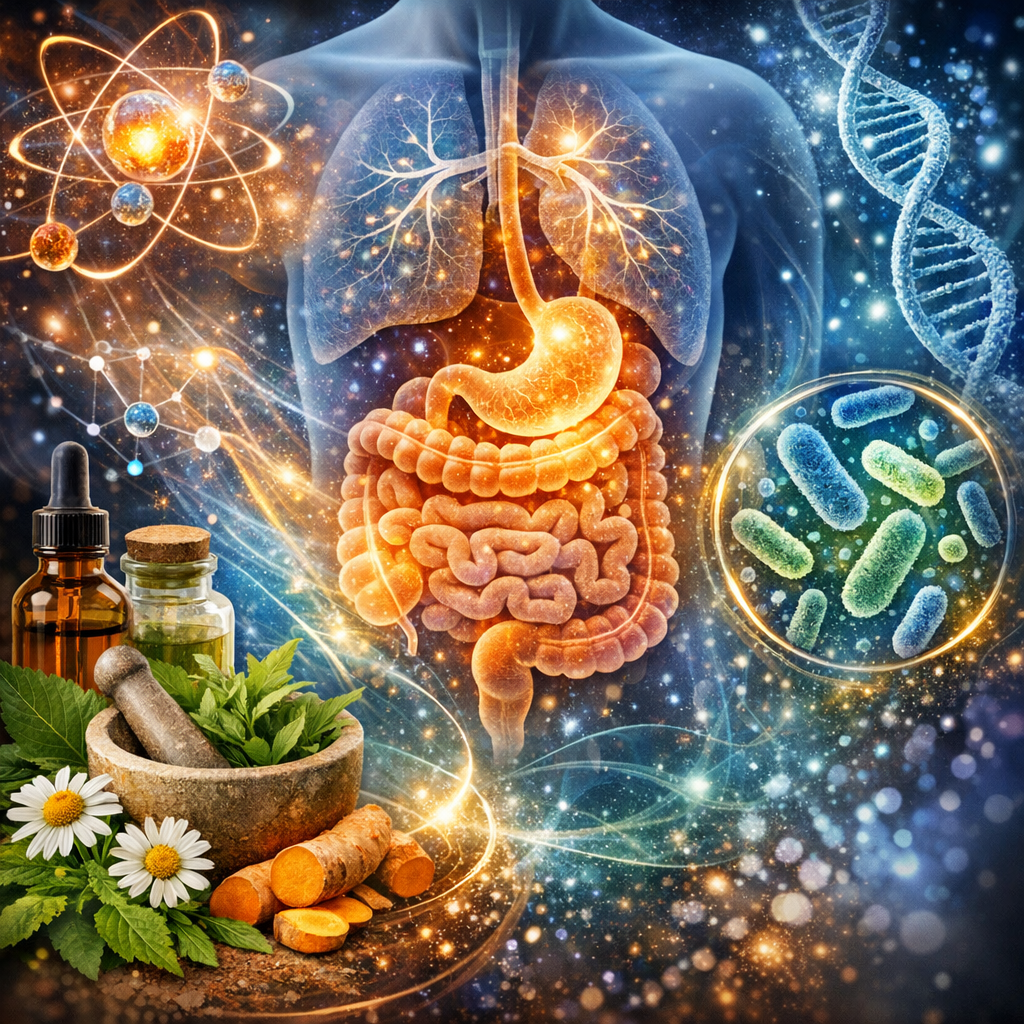
In recent years, the importance of gut health has come to the forefront of medical research and public awareness. The gut, often referred to as the “second brain,” plays a crucial role not just in digestion, but also in immune function, mental health, and overall wellbeing. As individuals seek natural cures and herbal treatments for enhancing gut health, advancements in technology offer promising new tools to personalize and optimize these approaches. Specifically, the integration of Artificial Intelligence (AI) into healthcare has unlocked innovative opportunities for creating personalized gut treatment plans.
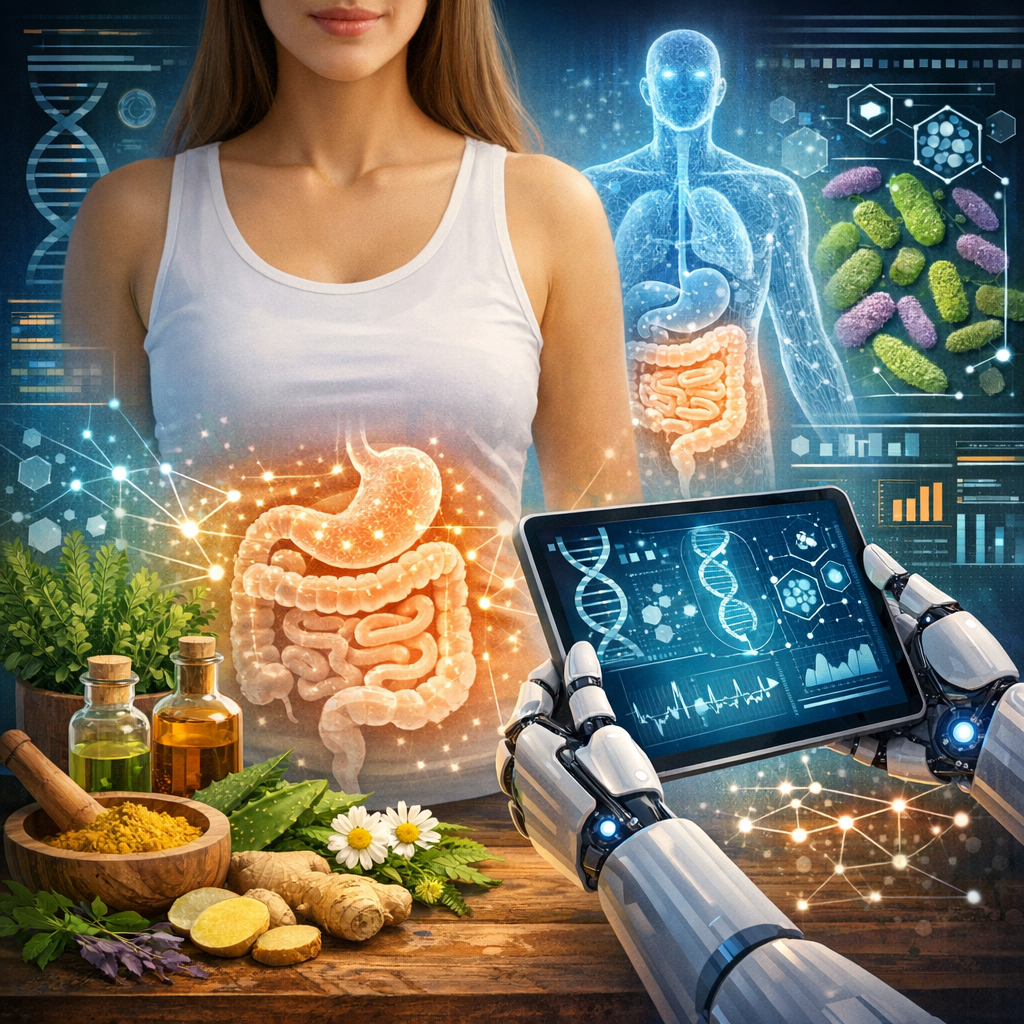
The human gut microbiome is a complex ecosystem comprising trillions of microorganisms, each playing a part in maintaining health or contributing to disease. Due to its complexity, a one-size-fits-all approach rarely works when it comes to gut health solutions. Enter AI-powered algorithms: these cutting-edge tools process vast amounts of data, such as genetic information, lifestyle factors, and microbiome composition, to develop individualized treatment plans. This personalized approach is vital because it takes into account the unique biological make-up of each person.
Imagine receiving a gut health treatment plan that is as unique as your fingerprint. AI makes this possible by analyzing patterns and predicting outcomes based on unique datasets. For those seeking natural remedies, this means AI can help tailor herbal and dietary interventions that might be most effective for improving individual gut health. This not only maximizes the effectiveness of the treatments but also minimizes potential adverse reactions.
AI’s ability to revolutionize personalized healthcare, particularly for gut health, stems from its capacity to continually learn and improve. As more data is collected, AI tools become increasingly adept at identifying the best interventions. This technology empowers both healthcare providers and patients, facilitating more informed decisions and enabling a proactive approach to health management. As more people turn to these next-gen AI tools, the landscape of gut health treatment is poised for transformation, providing new hope for those suffering from gut-related issues and promoting optimal health.
Features
The application of AI in gut health is supported by numerous professional and medical studies that highlight its transformative potential. A seminal study published in the journal Nature Medicine explored how machine learning algorithms could be used to predict individual responses to dietary interventions based on gut microbiome data. The study involved hundreds of participants and revealed that personalized dietary advice informed by AI analysis significantly improved glycemic control, underscoring AI’s potential in personalizing gut health strategies.
Furthermore, research led by King’s College London and Massachusetts General Hospital demonstrated AI’s capacity to categorize gut microbiome profiles into distinct enterotypes. This classification enables more precise targeting of natural treatments, allowing for dietary recommendations or herbal remedies that align with specific microbial configurations. Such targeted approaches increase the efficacy of interventions and align well with the growing consumer preference for natural and personalized healthcare solutions.
AI is also finding a role in clinical research, facilitating large-scale studies that assess the impact of various herbal treatments on gut health. For instance, collaborations between tech companies and medical research institutions have led to the development of AI tools that can screen vast datasets to identify the most effective probiotics or herbal supplements for enhancing gut flora balance. This is crucial for developing evidence-based recommendations for natural gut health therapies.
Moreover, AI-driven diagnostic tools analyze biomarkers and symptoms to suggest probable gut-related disorders early, allowing for timely interventions. Such advancements have substantial implications for conditions like Irritable Bowel Syndrome (IBS) or Inflammatory Bowel Disease (IBD), where personalized treatment plans, including herbal supplements, can be charted.
Overall, the synergy between AI technology and medical research offers exciting possibilities for those seeking natural cures and herbal treatments for gut health. By harnessing the power of AI, healthcare providers can enhance their understanding of individual health needs, improving treatment efficacy and patient outcomes.
Conclusion
The integration of Artificial Intelligence into healthcare is revolutionizing the approach to gut health, offering personalized and efficient treatment plans that embrace the benefits of natural cures and herbal interventions. As the technology continues to advance, it holds the promise of not only improving gut health but also enhancing quality of life by tackling gut-related issues innovatively and effectively. With the growing evidence base and increasing enthusiasm from both the medical community and the public, AI-driven tools are set to redefine how we manage gut health, ensuring treatments are as unique as the individuals they support.
References
1. Zeevi, D., et al. (2015). Personalized Nutrition by Prediction of Glycemic Responses. Cell, 163(5), 1079-1094.
2. Arumugam, M., et al. (2011). Enterotypes of the human gut microbiome. Nature, 473, 174-180.
3. Topol, E. J. (2019). High-performance medicine: the convergence of human and artificial intelligence. Nature Medicine, 25, 44-56.
Concise Summary
The integration of Artificial Intelligence (AI) into healthcare is revolutionizing gut health by providing personalized treatment plans. AI-powered algorithms analyze genetic and lifestyle data to tailor interventions, optimizing natural and herbal remedies for individual needs. Groundbreaking studies highlight AI’s potential, including its ability to predict dietary responses and identify effective probiotic treatments. As AI continues to advance, it promises to enhance treatment efficacy, improve patient outcomes, and transform the management of gut-related conditions such as Irritable Bowel Syndrome (IBS) and Inflammatory Bowel Disease (IBD).