Deep Immune Modulation: How Your Gut’s Secret Ally Controls Chronic Inflammation and Autoimmune Disorders
Topic Introduction
In the intricate world of human health, the *gut* is often dubbed the “second brain” for a good reason. It’s home to trillions of microorganisms collectively known as the *gut microbiota* and plays a crucial role in everything from *digestion* to *nutrient absorption*. However, many might not realize the profound impact the gut exerts on the *immune system*, particularly in regulating *chronic inflammation* and *autoimmune disorders*.
The gut serves as a hub of immune activity, hosting nearly 70% of your body’s immune cells. This connection forms a sophisticated network that plays a pivotal role in *immune modulation*—a process crucial for maintaining the body’s internal balance. Under normal conditions, our immune system skillfully distinguishes between harmless substances and harmful invaders. However, when the immune system misfires, it can attack its own tissues, leading to chronic inflammation and autoimmune disorders such as *Crohn’s disease*, *rheumatoid arthritis*, and *celiac disease*.
Conventional treatments for these conditions often focus on symptom management, potentially leading to unwanted side effects over time. This is where *natural interventions* and *herbal treatments* step into the spotlight. By harnessing the power of *dietary changes* and *plant-based compounds*, individuals can embark on a journey toward mitigating inflammation naturally and restoring balance to the immune system.
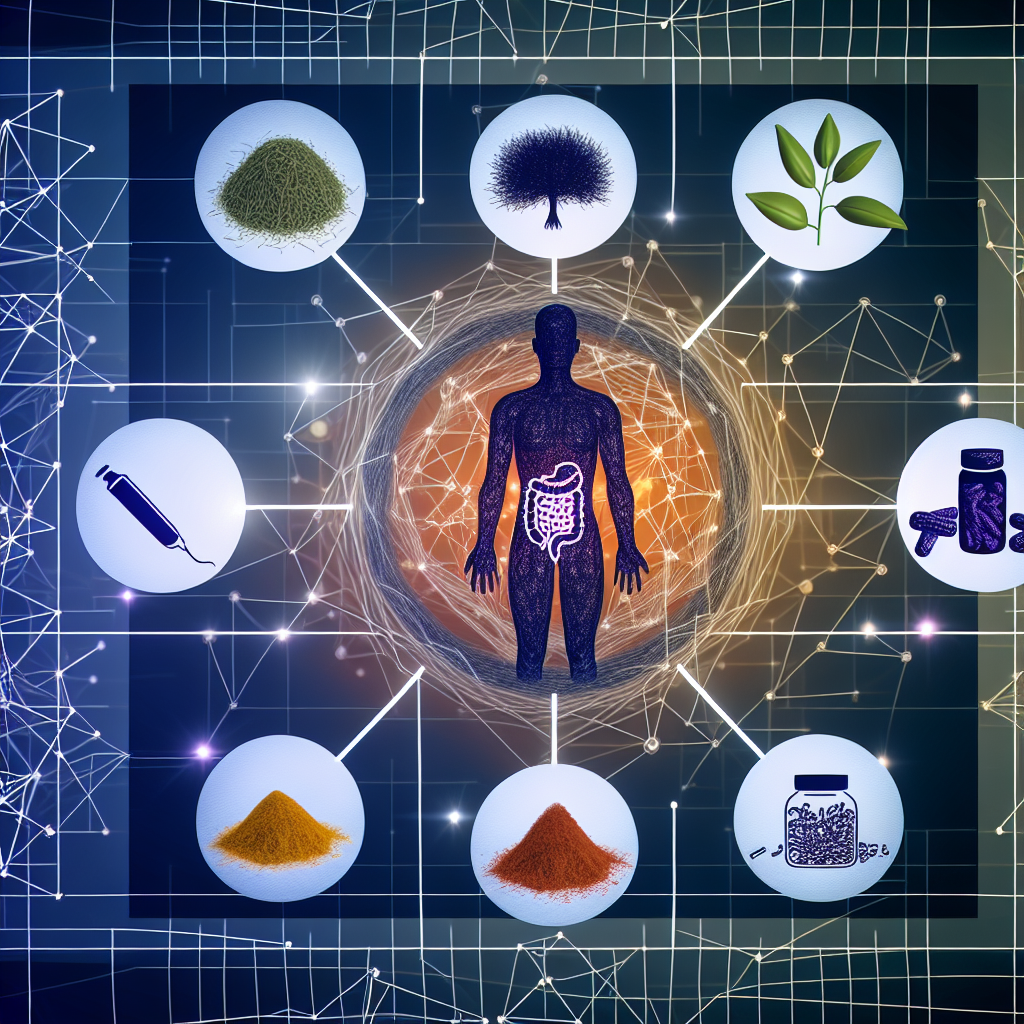
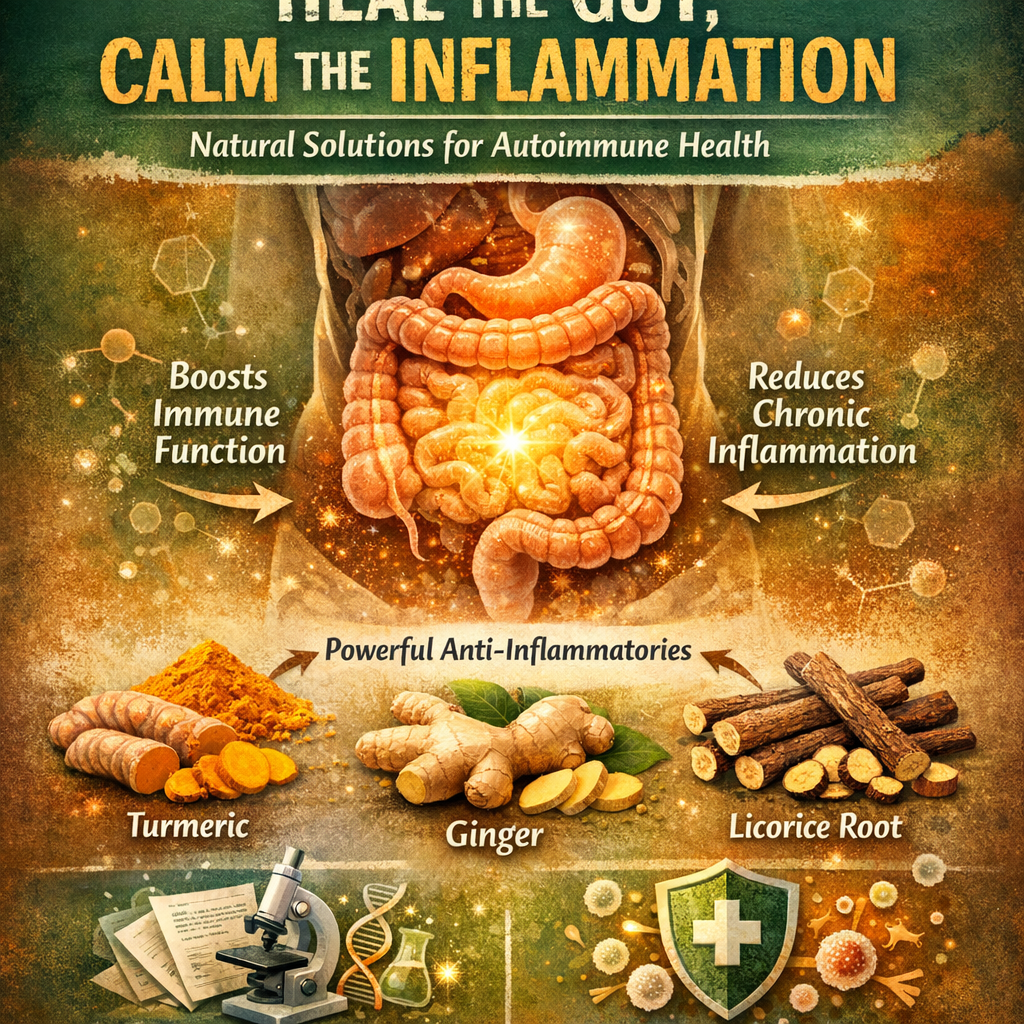
Herbs like *turmeric*, *ginger*, and *licorice root* have long been cherished in traditional medicine for their anti-inflammatory and immune-modulating properties. These natural allies not only support gut health but also help reduce the triggers of chronic inflammation—offering a sustainable, side-effect-free alternative to conventional approaches.
To uncover how these natural, plant-based solutions can recalibrate your immune response, it’s essential to delve into scientific evidence and studies backing their efficacy. Welcome to the fascinating exploration of *deep immune modulation* and discover how your gut health holds the key to controlling chronic inflammation and autoimmune disorders.
Features
Recent scientific studies bolster the potential of *natural solutions* in gut immune modulation, shedding light on how targeted gut health can effectively manage chronic inflammation and autoimmune disorders. One promising research area focuses on the impact of the *gut microbiome* on *systemic immunity*. The communication between gut microorganisms and immune cells significantly influences the inflammatory response.
A significant study published in the journal [*Nature*](https://www.nature.com/articles/nature10452) highlighted the role of *short-chain fatty acids (SCFAs)*, metabolites produced by the gut microbiota, in promoting the production of *regulatory T cells*—immune cells that play a crucial role in suppressing autoimmune inflammation. This discovery emphasizes the importance of a microbial environment facilitating SCFA production as a vital player in maintaining immune balance.
Moreover, a study from [*Frontiers in Immunology*](https://www.frontiersin.org/articles/10.3389/fimmu.2017.00805/full) explored the herb turmeric, renowned for its active compound *curcumin*. Curcumin was found to inhibit the activation of *NF-kB*, a protein complex that plays a central role in regulating immune responses to infection. By mitigating NF-kB pathways, curcumin effectively reduced inflammation, providing a promising natural therapeutic approach for patients with autoimmune diseases.
*Ginger* is another powerful ally in the quest for immune regulation. According to research in the [*Journal of Ethnopharmacology*](https://www.sciencedirect.com/science/article/abs/pii/S0378874108000414), ginger contains *gingerols* and *shogaols*, compounds shown to exert anti-inflammatory effects by inhibiting the production of pro-inflammatory cytokines, potentially decreasing the harmful inflammation characteristic of autoimmune disorders.
These studies underscore the value of incorporating particular herbs and maintaining gut microbiome diversity when aiming for deep immune modulation. A balanced microbiota, supported by specific dietary and herbal interventions, actively contributes to restoring immune homeostasis and reducing chronic inflammation symptoms.
Conclusion
In conclusion, your *gut* undeniably stands as a key ally in the battle against *chronic inflammation* and *autoimmune disorders*. By focusing on maintaining a healthy, diverse gut microbiome, individuals can significantly influence their immune response. *Natural interventions*, such as incorporating turmeric, ginger, and other beneficial herbs, serve as effective strategies for modulating immune health without the drawbacks of synthetic medications. As the exploration of gut health continues to evolve, the potential for natural solutions in managing autoimmune disorders grows stronger. Embrace these insights into gut health as steps toward a balanced and resilient immune system, championing a future free from chronic inflammation.
References
– Nature: [Short-chain fatty acids induce regulatory T cells in the colon](https://www.nature.com/articles/nature10452)
– Frontiers in Immunology: [Curcumin Modulates Immune System: Potential Role in Autoimmune Disorder](https://www.frontiersin.org/articles/10.3389/fimmu.2017.00805/full)
– Journal of Ethnopharmacology: [Botanical anti-inflammatory agents: An overview](https://www.sciencedirect.com/science/article/abs/pii/S0378874108000414)
Concise Summary: Your gut plays a crucial role in managing chronic inflammation and autoimmune disorders by influencing the immune system. Scientific studies emphasize the potential of natural interventions like turmeric, ginger, and dietary changes that harness the power of the gut microbiota. These plant-based solutions offer effective strategies to reduce inflammation, supporting immune modulation without synthetic medication side effects. By maintaining a healthy, diverse gut microbiome, individuals can significantly impact their immune response, leading to a balanced and resilient immune system.