Unraveling the Gut-Inflammation Mystery: New Insights from Functional Genomics
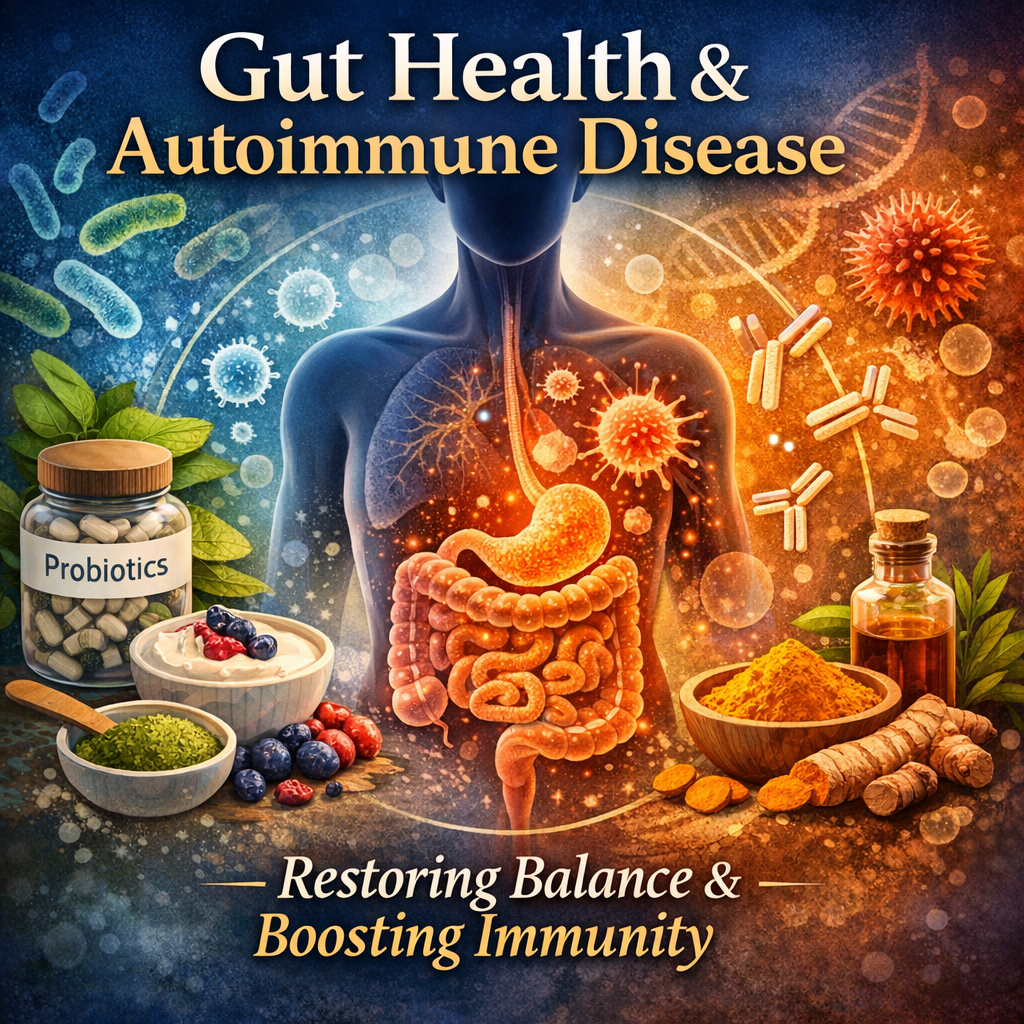
In an age where holistic health and wellness are of paramount interest, the quest for maintaining optimal gut health has become a focal point for researchers, medical professionals, and wellness enthusiasts alike. Our gut is not just a pathway for digestion; it is a complex ecosystem that impacts everything from immunity to mood regulation. A growing body of research now links the health of our gastrointestinal tract to systemic inflammation, a common underlying factor in a number of chronic diseases, including diabetes, autoimmune disorders, and irritable bowel syndrome (IBS).
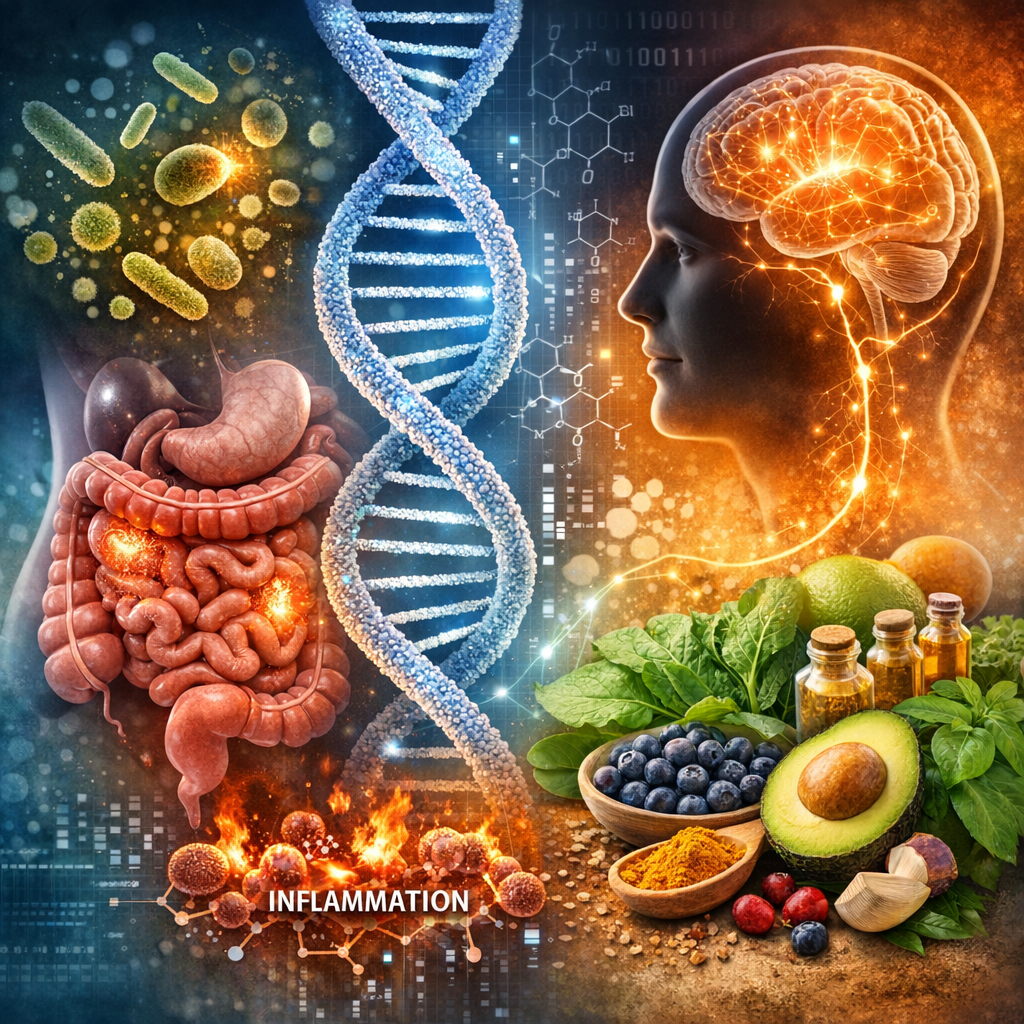
Functional genomics, an emerging field of study focusing on gene expression and function, is offering groundbreaking insights into how our gut communicates with our immune system. This branch of genomics seeks to understand the myriad genetic interactions and mutations that can trigger inflammatory processes. Through advanced technologies such as next-generation sequencing and bioinformatics, scientists are now able to explore the gut microbiome—a diverse community of microorganisms residing in our digestive tract—and its critical role in health and disease.
One key revelation from functional genomics is the identification of specific genetic expressions linked to gut inflammation. Studies are increasingly demonstrating that certain genes could predispose individuals to pro-inflammatory states when exposed to particular dietary patterns or environmental factors. These insights are invaluable as they suggest potential targets for *nutritional* or *herbal interventions* that could modulate gene expression and thus reduce inflammation.
Furthermore, the concept of the ”gut-brain axis” is garnering attention. It highlights the bidirectional communication between the gut and the brain, suggesting that gut health can influence mood and neurological function. Inflammation or dysbiosis (microbial imbalance) in the gut can adversely affect this communication pathway, further underscoring the importance of maintaining a healthy gut environment.
As fascinating as these scientific advancements are, the practical application lies in identifying natural and herbal remedies that can support gut health by modulating this inflammation. With a better understanding of the genetic and molecular mechanisms of gut inflammation, individuals can take informed steps towards preventing and alleviating inflammatory conditions naturally.
Features: Insights from Functional Genomics
Recent studies in functional genomics have elucidated several critical connections between our genetic makeup and gut health. For instance, a 2021 study published in Nature Communications revealed that genes associated with the immune system, when altered, could markedly influence the gut microbiota composition and trigger inflammatory responses. Researchers identified specific genomic markers that could predict susceptibility to diseases like Crohn’s and ulcerative colitis, fundamentally altering the approach to treatment and prevention.
Another groundbreaking study in the Journal of Experimental Medicine explored the role of the NOD2 gene, common in Western populations, which appears to be a significant modulator of immune response in the gut. Its dysfunction has been linked to excessive inflammation, suggesting that targeting NOD2 signaling pathways could mitigate inflammatory disorders.
Moreover, functional genomics is shedding light on the potential of diet-induced gene expression changes. A study published in Cell Reports showcased how specific dietary components, such as *polyphenols* found in green tea and red wine, could positively affect the gut microbiome by interacting with certain genes that control inflammation.
These findings offer a promising avenue for *personalized nutrition*, where dietary choices are tailored according to an individual’s genetic profile to prevent or reduce gut inflammation. Adding to the wealth of knowledge, an investigation in the American Journal of Clinical Nutrition highlighted that *probiotics* can enact changes at a molecular level, influencing gene expression patterns associated with intestinal health. These findings emphasize the potential of probiotic supplementation as a natural method to restore gut microbial balance and manage inflammation.
The holistic integration of genomics into nutritional and herbal medicine practices holds the promise of advancing our ability to combat gut-related inflammation effectively. With continuous research and technological advancements, the future of personalized gut health strategies appears brighter than ever.
Conclusion
The intersection of functional genomics and natural medicine is opening pathways to revolutionary approaches for maintaining gut health and managing inflammation. As we uncover the complex genomic influences on gut inflammation, it becomes increasingly possible to harness natural and dietary interventions tailored to individual genetic profiles. This precision medicine approach promises a future where personalized health strategies enhance well-being and prevent chronic inflammation-related diseases. By embracing these insights, we can guide our journey toward holistic health, empowering us to nurture our bodies naturally and effectively.
References
1. Genomic insights into gut inflammation
2. Role of the NOD2 gene in gut health
3. Dietary components and gene expression
4. Probiotics and gene expression
Concise Summary
Functional genomics is revolutionizing our approach to gut health by uncovering genetic expressions linked to inflammation. Studies indicate that specific genes may make individuals prone to inflammatory diseases like Crohn’s, influenced by diet and environment. The gut-brain axis is another crucial area of study, highlighting gut health’s role in regulating mood and neurological function. Recent research points to nutritional interventions, such as polyphenols and probiotics, as promising tools for modulating gut-related gene expression. This integration of genomics and personalized nutrition offers new paths for managing inflammation naturally and effectively.