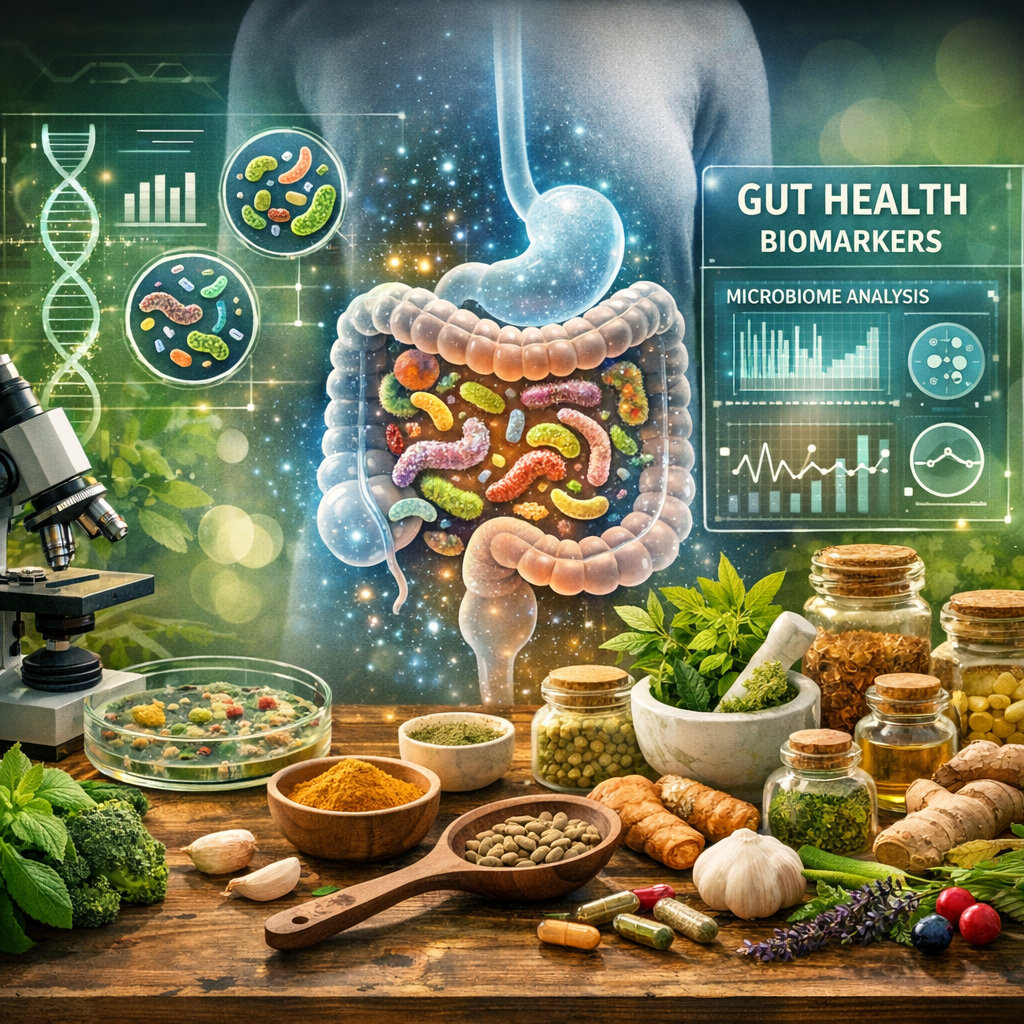
Gut Health Biomarkers: Decoding Your Digestive Blueprint for Personalized Healing
Introduction
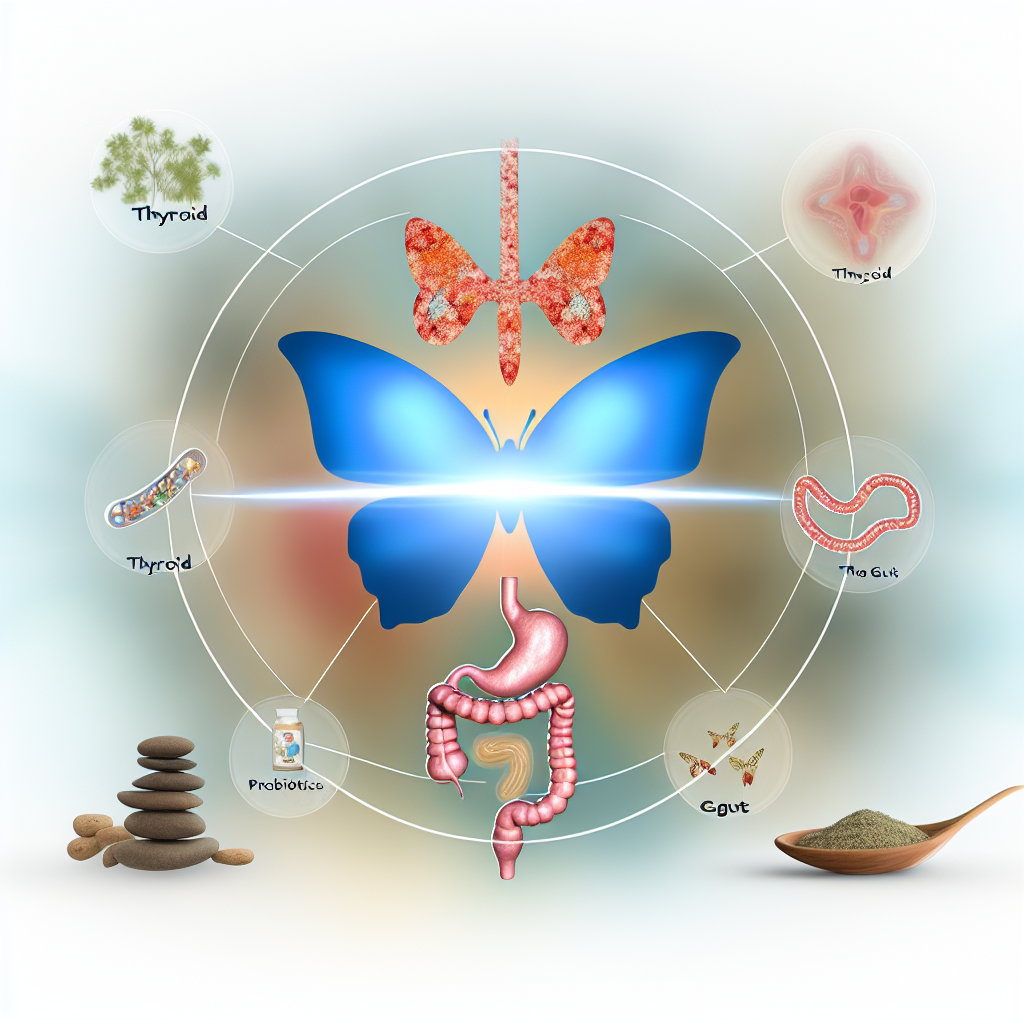
In recent years, there has been an increasing awareness of the critical role gut health plays in overall well-being. From influencing mental health to impacting immune response, the gut is a complex entity that communicates with almost every system in the body. A key factor in understanding and optimizing gut health is the investigation of gut health biomarkers. These sophisticated indicators provide insight into how well your digestive system is functioning and help tailor personalized treatment approaches for gut-related issues.
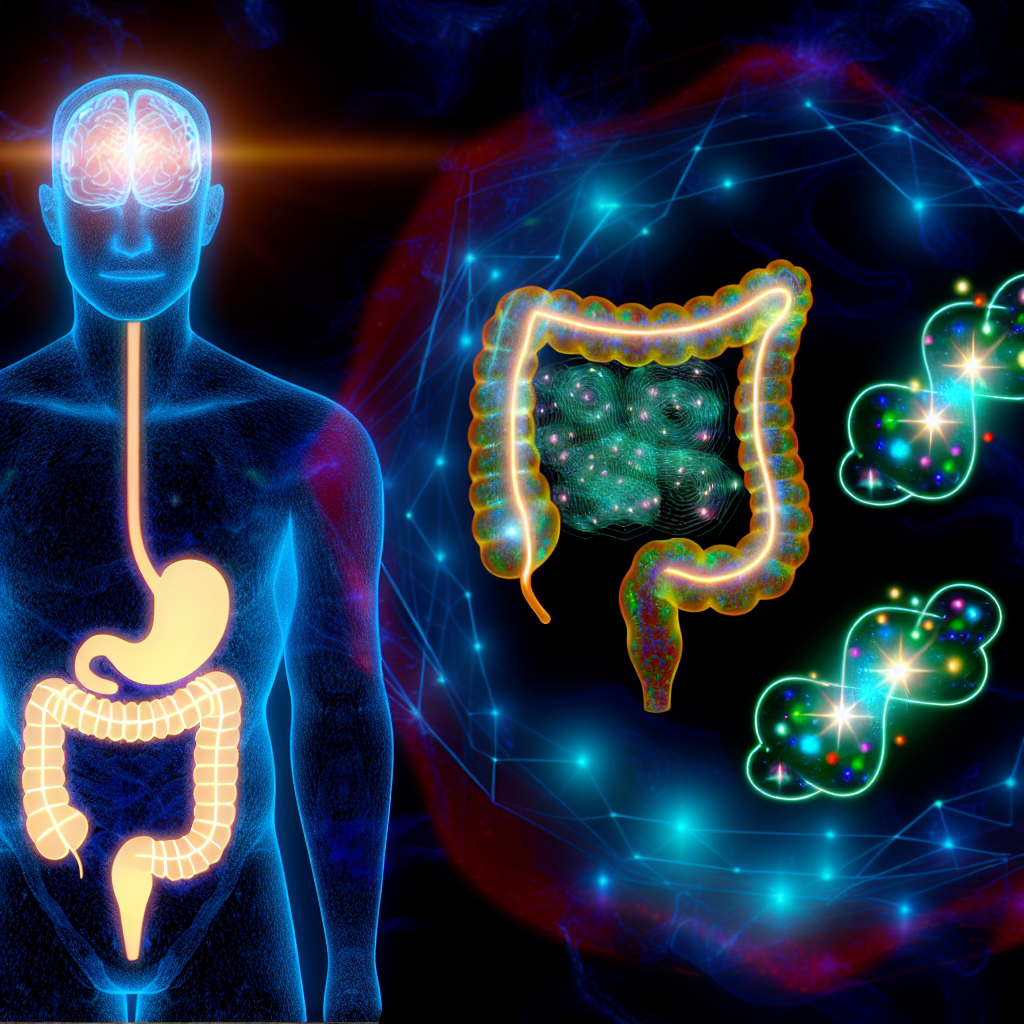
The digestive system is home to trillions of bacteria, viruses, and fungi, collectively known as the microbiome. These microscopic inhabitants actively contribute to digestion, nutrient absorption, and protection against pathogens. Gut health biomarkers – diverse metrics ranging from microbiome composition to metabolite profiles – can offer a snapshot of this intricate microbial ecosystem. With modern advancements in biomedical science, the analysis of these biomarkers has reached new heights, aiding not just in the diagnosis of diseases but in crafting bespoke healing plans.
What differentiates traditional methods from an approach centered around gut health biomarkers is personalization. Conventional medical approaches may offer one-size-fits-all solutions, but focusing on specific biomarkers can reveal individual needs which can then be managed through bespoke herbal treatments and dietary adjustments. By examining these markers, individuals can detect imbalances such as dysbiosis, a condition where the harmonious relationship between host and microbiota is disturbed, often considered the root cause of many gastrointestinal issues.
Natural cures and herbal treatments have been used for centuries to address digestive problems. With modern science now elucidating the ways in which these treatments can work in tandem with your body’s unique biological environment, they are making a powerful resurgence. From the soothing effects of peppermint oil on irritable bowel syndrome (IBS) to the prebiotic power of chicory root in supporting beneficial bacteria, these natural interventions are becoming a fixture in personalized gut health regimens.
Features
The study of gut health biomarkers is gaining significant traction, supported by various clinical and preclinical studies that underscore their importance in diagnosing and managing digestive health disorders. A landmark study published in the journal *Nature* explored how changes in gut microbiome composition can be linked to various chronic conditions, such as inflammatory bowel disease (IBD) and IBS. The researchers identified specific bacterial strains and their metabolites as key players in the disease process, suggesting potential targets for personalized therapeutic strategies ([Nature](https://www.nature.com)).
Another noteworthy study conducted by the Human Microbiome Project highlights that individual microbiomes are as unique as fingerprints, influencing the onset and progression of diseases. This project has identified numerous associations between gut microorganisms and health outcomes, reinforcing the need for personalized dietary and treatment plans. These valuable insights enable healthcare practitioners to recommend specific probiotics or dietary changes that can restore microbial balance and enhance gut health ([Human Microbiome Project](https://hmpdacc.org)).
In the realm of herbal treatments, research into botanicals like slippery elm and aloe vera have shown promising results in enhancing gut health. Slippery elm, a demulcent herb, provides a soothing effect on the intestinal tract, while aloe vera aids digestive health by promoting bowel regularity and reducing inflammation. Such findings have been documented in various scientific reviews, indicating that these herbs can be integral components of personalized gut health regimens ([NCBI](https://www.ncbi.nlm.nih.gov)).
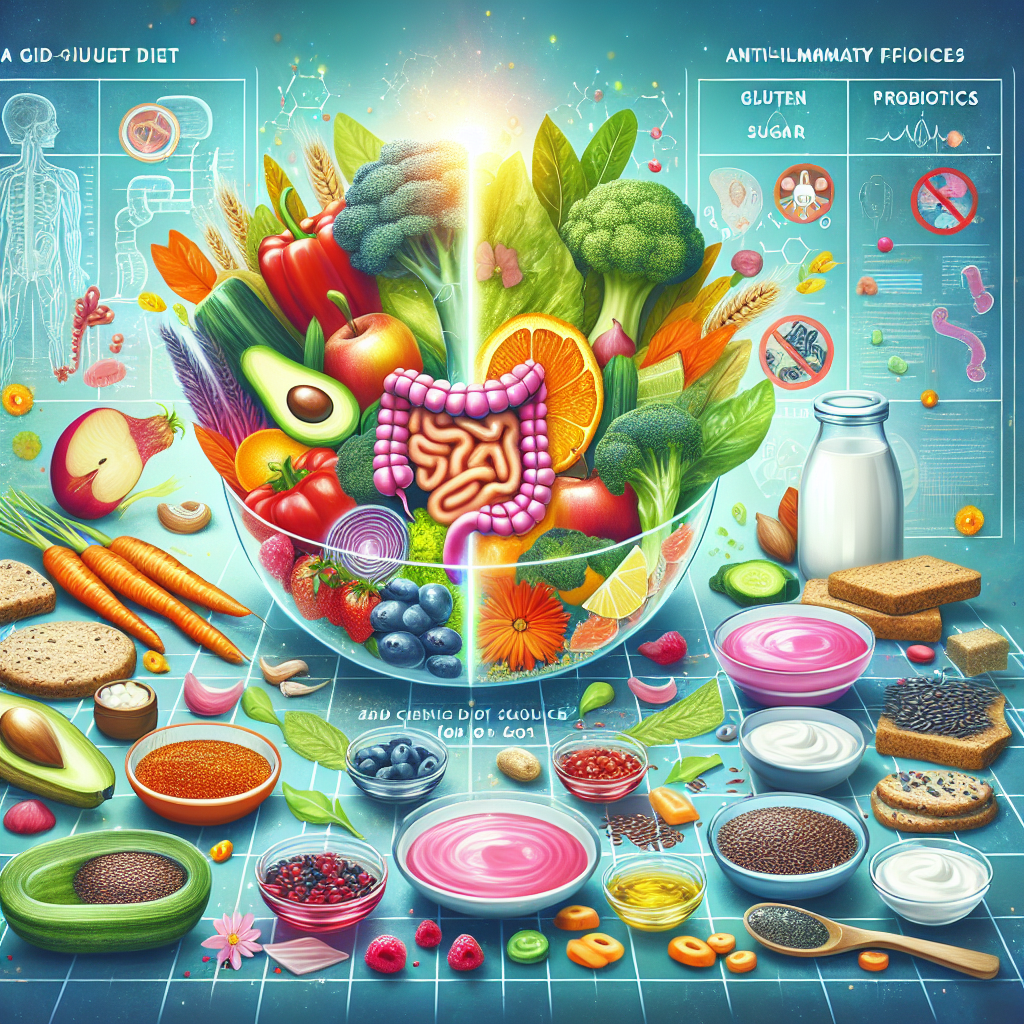
Beyond just herbal remedies, personalizing gut health often involves dietary modifications. Fermented foods like kefir and sauerkraut are rich in probiotics that naturally bolster gut biodiversity. Studies show that regular consumption of these foods can enhance the body’s microbiome adaptability, providing a natural buffer against gut imbalances ([Sage Journals](https://journals.sagepub.com)).
Conclusion
Gut health biomarkers provide a detailed blueprint of one’s digestive well-being, offering a guide towards personalized healing protocols. By interpreting these markers, individuals can explore tailored treatments that potentially include herbal remedies, dietary shifts, and specific lifestyle modifications. While traditional medicine often offers generalized treatment approaches, the leveraging of these biomarkers paves the way for targeted, effective interventions that align more closely with an individual’s biological makeup. Embracing this shift towards personalized medicine can lead to better health outcomes and an empowered, self-directed journey towards gut wellness.
References
– Nature, [“Insights into Human Microbiome”](https://www.nature.com).
– Human Microbiome Project, [link](https://hmpdacc.org).
– National Center for Biotechnology Information, [“Herbal Treatments for Gut Health”](https://www.ncbi.nlm.nih.gov).
– Sage Journals, [“Fermented Foods and Gut Health”](https://journals.sagepub.com).
Concise Summary
Gut health is pivotal for overall well-being, with biomarkers offering critical insights into digestive health. These indicators facilitate personalized treatment plans that combine herbal remedies, dietary adjustments, and lifestyle modifications targeting individual needs. By understanding and leveraging gut health biomarkers, individuals can address imbalances such as dysbiosis—enhancing gut health through tailored approaches rather than traditional one-size-fits-all solutions. Research underscores the importance of personalized strategies using natural interventions like peppermint oil, slippery elm, and probiotic-rich fermented foods to optimize gut health and prevent disorders such as IBS and IBD.