Unlocking the Gut’s Secret Code: How Cutting-Edge Genetics Are Redefining Personalized Gastroenterology
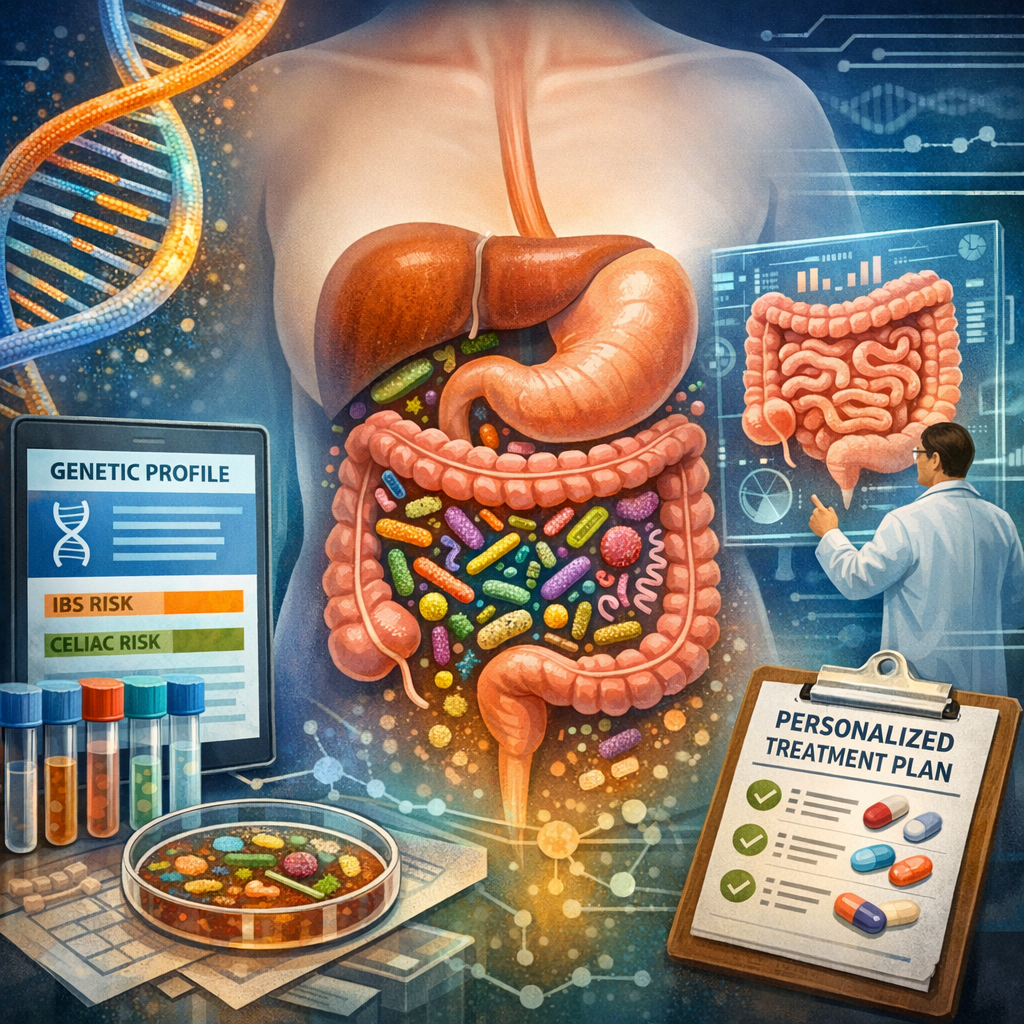
In the intricate world of human health, the gut stands as an oracle of wisdom, silently influencing every aspect of wellness from metabolism to mental health. For years, experts have understood the pivotal role of gut health, but unraveling its mysteries has remained a tantalizing challenge. Advances in genetics and genomics, however, are now shining a light on this enigma, offering a glimpse into a future where personalized gastroenterology becomes an achievable reality. This evolution, buoyed by cutting-edge genetics, is not just transforming how we understand gastrointestinal issues but is also steering us towards personalized treatment plans tailored to the genetic makeup of individual patients. At the core of these innovations is the microbiome—a complex ecosystem of trillions of microorganisms cohabiting our gut. Each individual’s microbiome is unique, shaped by a combination of genetics, diet, lifestyle, and environmental factors. Scientists are now focusing on these microbial compositions, understanding that they hold the keys to deciphering the gut’s secret code.
Recent breakthroughs in genomic sequencing technologies have made it possible to analyze the gut’s microbiome in unprecedented detail. These analyses help in identifying specific bacterial strains that can influence critical bodily functions, from bolstering immunity to synthesizing vital nutrients. Captivatingly, our genetic code not only influences the microbiome’s composition but also its dynamic interactions with other bodily systems. An individual’s genetic makeup can dictate how effectively their gut microbiome can protect against harmful pathogens or aid in food digestion. By studying these intricate relationships, researchers can now predict susceptibilities to various gastrointestinal disorders, such as irritable bowel syndrome (IBS), celiac disease, and even certain gut-related cancers.
Features
Recent studies underscore the transformative potential of integrating genetic insights into gastroenterology. A comprehensive study published in [Nature](https://www.nature.com/articles/s41586-018-0415-6) explored the relationship between human genetics and the gut microbiome, revealing that specific genetic variants are associated with the presence and abundance of particular bacterial strains in the gut. Such findings highlight how genetic factors can predispose individuals to specific gut microbiota profiles, offering a gateway to bespoke treatment approaches.
Moreover, research published in [The Lancet Gastroenterology & Hepatology](https://www.thelancet.com/journals/langas/article/PIIS2468-1253(18)30003-0/fulltext) delved into how understanding individual variations in gut microbiota could aid in developing precision medicine for gastrointestinal diseases. By harnessing patient-specific microbiome data, healthcare providers can tailor interventions to enhance gut flora balance, potentially mitigating symptoms and improving the quality of life for people with chronic gut disorders.
Another pivotal study focusing on nutrigenomics was shared in [Nutrients](https://www.mdpi.com/journal/nutrients), illustrating how specific dietary components could beneficially or adversely interact with different genetic makeups, influencing gut health outcomes. These interactions are vital for designing personalized nutrition plans that promote optimal gut functionality.
Together, these studies add a layer of depth to the growing consensus that personalized approaches, rooted in genetic knowledge, are the future of gastrointestinal healthcare. This personalized framework enables healthcare professionals to predict disease risk better, optimize therapeutic interventions, and empower patients with knowledge about their unique genetic predispositions.
Conclusion
As genetic and genomic technologies continue to evolve, the horizon of personalized gastroenterology expands ever wider. By tapping into the secrets encoded within our DNA, medical professionals can cater to the individual needs of patients, fostering an era where gut health management is as unique as each person’s genetic fingerprint. This harmonious fusion of genetics and gastrointestinal science heralds a paradigm shift, promising not just therapeutic advancements but empowering individuals with the knowledge to take proactive, personalized steps toward optimal gut health. Embracing these innovations aligns seamlessly with a future-focused vision where personalized care is not just a possibility but a norm, bringing us closer to unlocking the full potential of human health.
Summary: The article discusses the integration of cutting-edge genetic technologies in gastroenterology, emphasizing the potential for personalized treatment plans based on individual genetic and microbiome profiles. Advances in genomic sequencing and research highlight how genetics influence gut health and disease risk. Studies in Nature, The Lancet Gastroenterology & Hepatology, and Nutrients highlight personalized medicine’s transformative impact, including precision interventions and nutrigenomic dietary recommendations. This evolution promises a future where gut health care is tailored to individual genetic fingerprints, offering proactive, personalized healthcare solutions.