Unveiling the Role of Epigenetics in Personalized Gut Health Strategies: Are We Entering a New Era of Gastroenterology?
*Introduction*
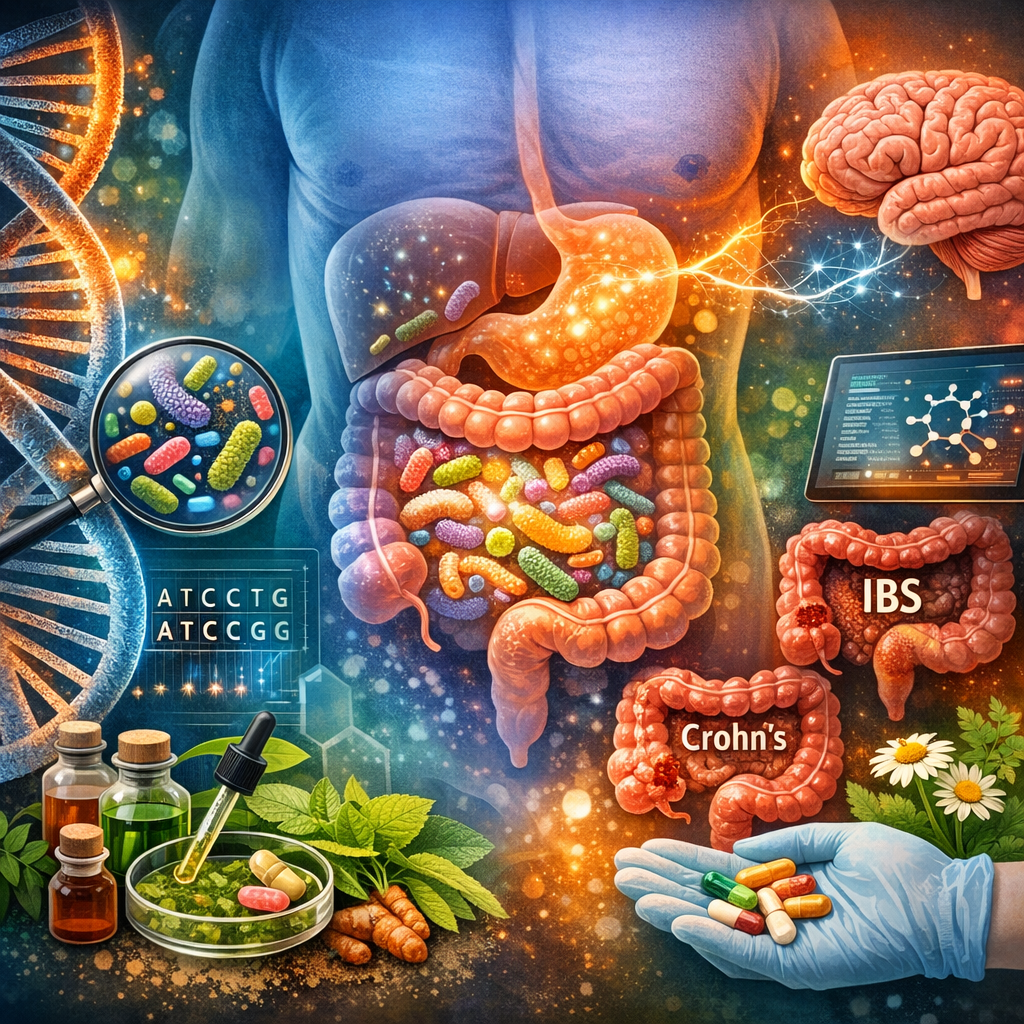
The human *gut* is a complex ecosystem crucial to overall health, affecting digestion, metabolism, immunity, and mental well-being. With the rise of *gut-related disorders*, there’s an urgent need for effective, natural treatments. Traditional methods have focused mainly on dietary changes and conventional medicine, but groundbreaking research in *epigenetics* is paving the way for personalized gut health strategies.
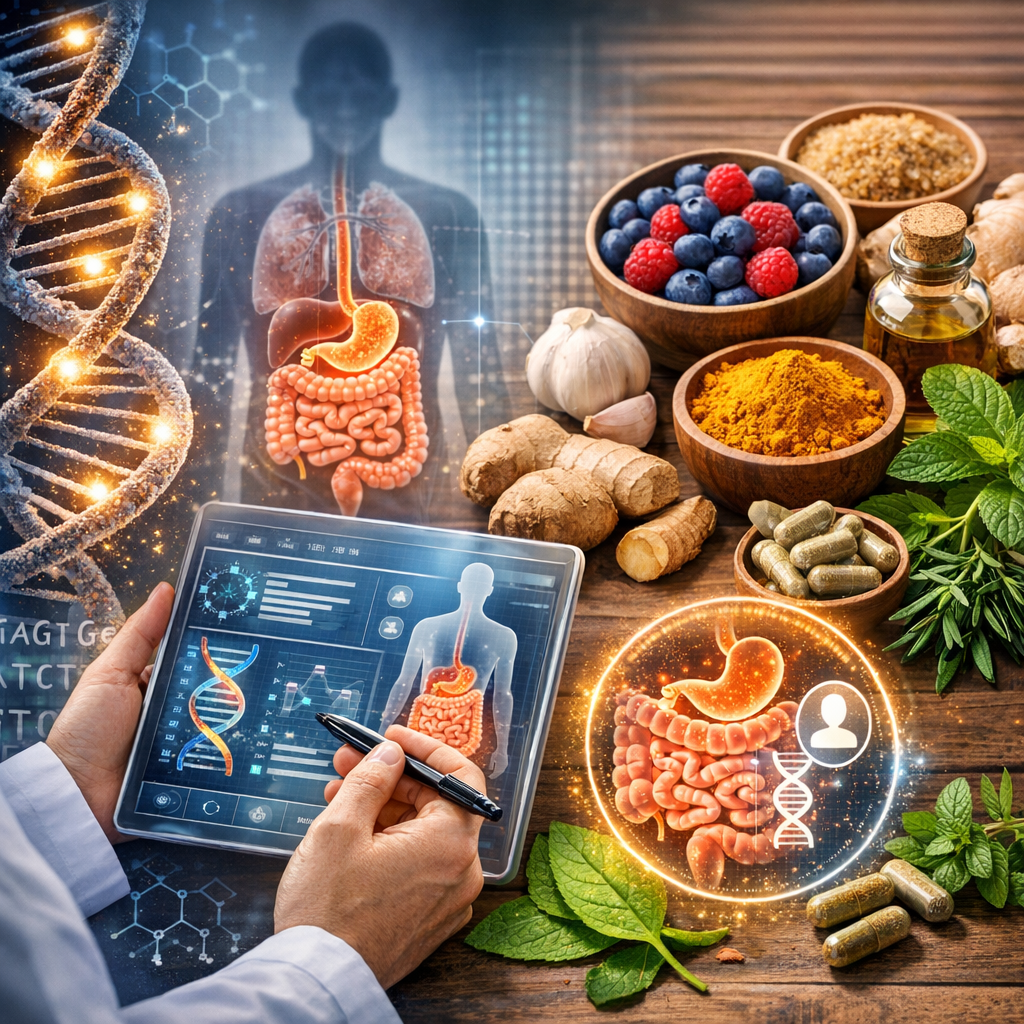
Epigenetics, a branch of genetics, examines changes in *gene expression* without altering the underlying DNA sequence. These changes can be influenced by factors like the environment, lifestyle, and diet, affecting how genes function. In the context of gut health, epigenetics holds the potential for highly individualized interventions. Understanding individual gene expression, influenced by epigenetic factors, enables healthcare professionals to propose personalized dietary and herbal remedies to optimize gut function.
Emerging studies reveal that specific dietary components and *herbal treatments* can modify epigenetic markers, influencing gut microbiota composition and function. For instance, compounds like polyphenols, present in fruits and vegetables, modulate gut health by affecting gene expression related to inflammation and immune response. Additionally, herbs such as turmeric and ginger are celebrated not only for their anti-inflammatory properties but also for their potential epigenetic mechanisms in enhancing gut health.
With growing insight into the gut microbiome and its interaction with the human genome, a new era in gastroenterology is emerging, combining the wisdom of natural remedies with cutting-edge genetic research. This article explores the intersection of epigenetics and natural treatments, evaluating whether we are indeed entering a new era of personalized gut health strategies.
Features
Recent advancements in epigenetics have inspired a series of studies on its impact on gut health. A pivotal study published in [Nature Communications](https://www.nature.com/articles/s41467-019-11993-7) discusses how epigenetic modifications can influence the gut microbiome. By examining the epigenomes of both mice and humans, researchers uncovered that diet-induced epigenetic changes could significantly alter gut microbiome composition. This finding emphasizes the potential of tailoring dietary interventions, including herbal treatments, based on individual epigenetic profiles.
The role of polyphenols, natural compounds with *antioxidative properties*, has been explored extensively. Research in [Frontiers in Genetics](https://www.frontiersin.org/articles/10.3389/fgene.2019.01020/full) showed that polyphenols can induce epigenetic modifications, benefiting gut health by modulating inflammatory pathways and promoting balanced gut microbiota. This suggests incorporating polyphenol-rich foods like berries, green tea, and nuts into the diet may be a powerful strategy for personalized gut health plans.
Herbal medicine also plays a significant role in epigenetic influence. Turmeric, particularly its active component curcumin, garners attention for its anti-inflammatory benefits. A study in [Epigenomics](https://www.futuremedicine.com/doi/10.2217/epi-2020-0078) examined curcumin’s ability to modulate DNA methylation and histone modification pathways, crucial processes in regulating gene expression impacting gut health. Similarly, ginger has been found to possess epigenetic benefits, with studies showing its compounds act as histone deacetylase inhibitors, offering gastrointestinal benefits by reducing inflammation and enhancing gut barrier function.
These studies show the synergy between epigenetics and herbal treatments presents a promising horizon for personalized healthcare. By leveraging epigenetic insights, it’s feasible to create gut health strategies that are natural and matched to an individual’s genetics, heralding a new era in *gastroenterology*.
Conclusion
The evolving field of epigenetics is reshaping perceptions and treatments of gut health, potentially launching a new era in gastroenterology where personalization is key. Integrating the knowledge of epigenetic mechanisms with natural dietary components and herbal treatments allows for interventions that are not only effective but also sustainable and individually tailored. As research progresses, these personalized strategies hold the promise to revolutionize approaches to gut health, preparing the way for innovative treatments as unique as our genetic makeup.
Concise Summary:
In a potential new era of gastroenterology, epigenetics offers promise in developing personalized gut health strategies. By influencing gene expression through diet and lifestyle without altering DNA, epigenetics allows for highly individualized interventions. Studies reveal that polyphenols and herbs like turmeric and ginger can modify epigenetic markers, positively impacting gut microbiota and health. This synergy between epigenetics and herbal treatments outlines a future of natural, personalized healthcare, combining genetic insights with traditional remedies to revolutionize gut health management.