Harnessing Systems Biology: The Role of Gut Metagenomics in Precision Medicine
The human gut is a vast ecosystem, teeming with trillions of microorganisms, collectively known as the gut microbiota. These microorganisms are essential for numerous bodily functions, from food digestion and nutrient absorption to immune modulation and protection against pathogens. Advances in systems biology and metagenomics have opened new doors for understanding the complexity of this microbial community, revolutionizing the approach to precision medicine.
Systems biology is an interdisciplinary field that integrates biological data with mathematical models to provide a comprehensive understanding of biological systems. By employing systems biology concepts, researchers can study the gut microbiota not just as individual microbial species but as an interconnected community with complex interactions. Metagenomics, a core component of systems biology, involves the direct genetic analysis of genomes contained within an environmental sample, such as a stool sample. This approach allows scientists to catalog the diverse array of microbial genomes present, providing insights into the collective metabolic potential and functional capabilities of the microbiota.
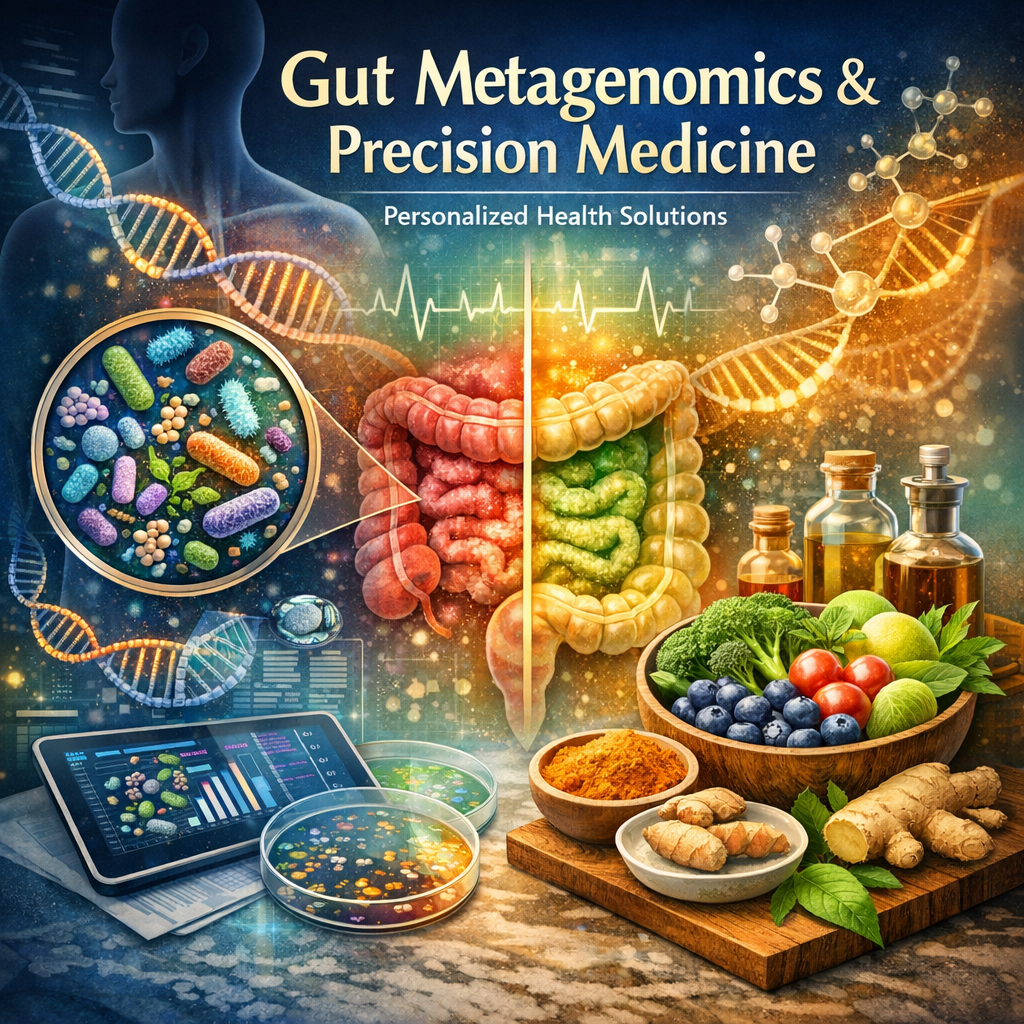
The implications of metagenomics for precision medicine are profound. Instead of the traditional one-size-fits-all approach, precision medicine aims to tailor healthcare strategies to individuals based on their unique genetic, environmental, and lifestyle factors. By analyzing the metagenomic data from a patient’s gut microbiota, healthcare providers can gain insights into that individual’s health status and potential disease risk. This personalized approach is particularly promising for diagnosing and managing conditions such as inflammatory bowel disease, obesity, and metabolic syndrome, where the gut microbiota plays a crucial role.
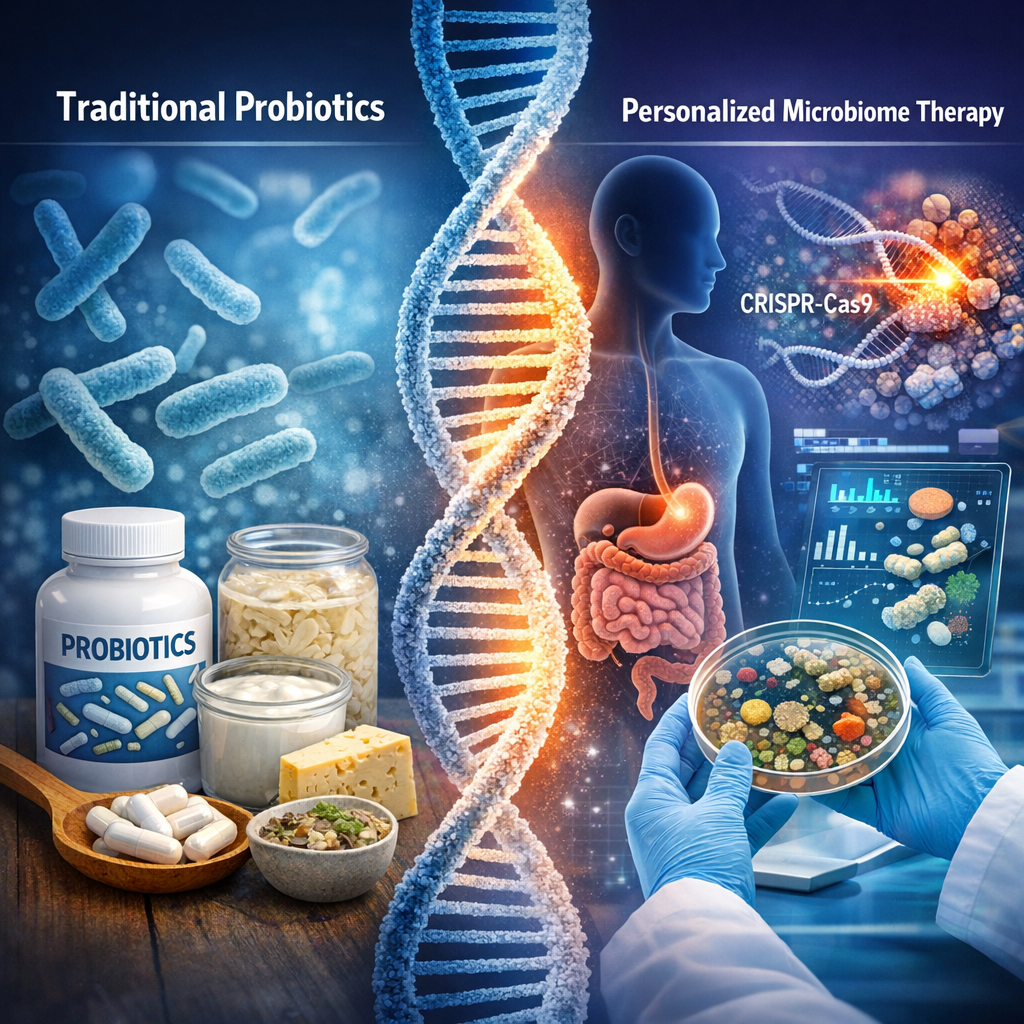
Precision medicine enabled by gut metagenomics also offers potential avenues for natural cures and herbal treatments. By identifying specific microbial imbalances, healthcare practitioners can recommend targeted dietary interventions or herbal supplements that promote the growth of beneficial microorganisms while suppressing harmful ones. These tailored therapies represent a bridge between traditional medicine and modern genomics, highlighting the importance of natural and holistic methods in improving gut health.
Features: Advances and Studies in Gut Metagenomics
Recent advances in gut metagenomics have been aided by rapid improvements in sequencing technologies and bioinformatics tools. One groundbreaking study published in Nature mapped the gut microbiomes of individuals from diverse backgrounds, revealing intriguing associations between specific microbiome profiles and health outcomes. This large-scale metagenomic analysis demonstrated that variations in the gut microbiome composition can significantly affect susceptibility to diseases such as type 2 diabetes and inflammatory bowel disease.
Another pivotal study, cited in the journal Cell, explored the impact of diet on gut microbiota composition and function. By conducting a randomized controlled trial involving participants subjected to high-fiber or high-fat diets, researchers found that dietary interventions could lead to significant changes in the gut microbiota. These changes were associated with measurable physiological effects, such as improved metabolic markers, highlighting the potential of diet as a modifiable factor in precision medicine for gut health.
Furthermore, research indicates that certain herbal treatments may exert beneficial effects on the gut microbiota. For instance, a study published in Frontiers in Microbiology explored the effects of Turmeric, a common herbal remedy, on gut health. The study found that curcumin, the active component of Turmeric, has prebiotic-like properties that can alter the gut microbiota composition, promoting the growth of beneficial bacteria such as Bifidobacteria and Lactobacilli. This highlights the potential of integrating natural cures alongside cutting-edge metagenomic approaches to enhance gut health.
The exploration of metagenomics in systems biology marks a shift toward more comprehensive and personalized healthcare strategies. By leveraging the power of microbial sequencing, researchers can unlock new microbiome-based diagnostics and treatments, enabling more precise and individualized interventions for improving gut health and overall well-being.
Conclusion
The integration of systems biology and metagenomics is transforming our understanding of the gut microbiota and its role in health and disease. By decoding the complex interactions within this microbial ecosystem, we can tailor individualized therapies that account for the unique microbiome composition of each patient. This fusion of cutting-edge science and holistic principles not only opens doors for novel treatments but also reinforces the importance of natural and dietary interventions in precision medicine. As research continues to advance, the prospect of unlocking optimal gut health through personalized strategies becomes ever more attainable, offering hope for improved quality of life and disease prevention.
References
1. Human Microbiome Project Consortium. (2012). Structure, function and diversity of the healthy human microbiome. Nature.
2. Zeevi, D., et al. (2015). Personalized Nutrition by Prediction of Glycemic Responses. Cell.
3. Peterson, C. T., et al. (2018). The gut microbiota and its role in human physiology: the gut microbiome and pro-inflammatory diseases. Frontiers in Microbiology.
Concise Summary
The integration of systems biology and metagenomics has revolutionized the understanding of the gut microbiota, enabling advancements in precision medicine. By analyzing metagenomic data from a patient’s gut microbiota, healthcare providers can personalize treatments for conditions like obesity, metabolic syndrome, and inflammatory bowel disease. This approach also underscores the value of dietary and herbal interventions in promoting beneficial gut bacteria. As research progresses, the potential for improved diagnosis and treatment through personalized strategies fosters hope for enhanced quality of life and disease prevention.