Unlocking the Gut-Mind Blueprint: The Unseen Biochemical Links Between Serotonin Production and Gut Microbial Diversity
Introduction
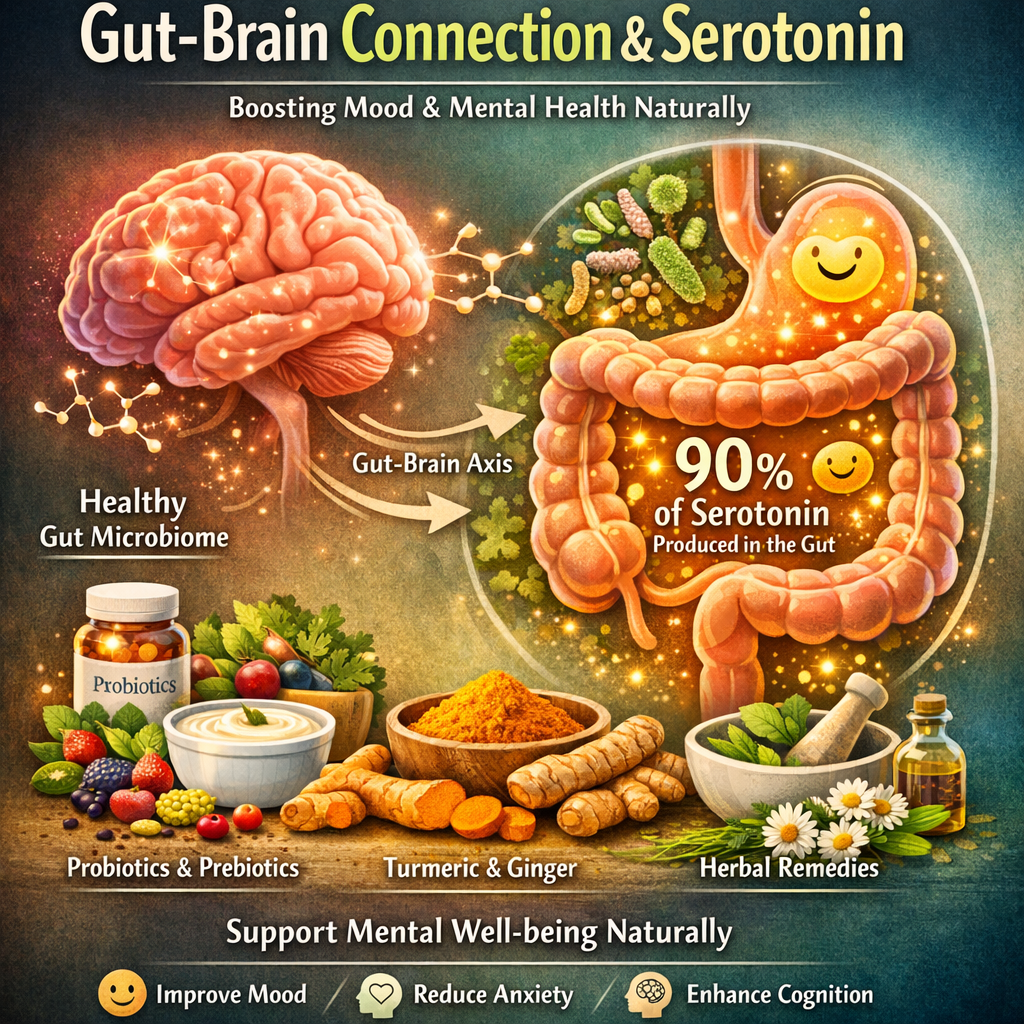
The intricate connection between our gut and mind has captured the interest of scientists and health enthusiasts alike. Often referred to as the “second brain,” the gut not only plays a pivotal role in digestion but significantly impacts our mental well-being. Central to this dynamic interplay is serotonin, a neurotransmitter often dubbed the “feel-good hormone,” known for its role in mood regulation, cognition, and even sleep. What is perhaps less widely recognized is the fact that approximately 90% of the body’s serotonin is produced in the gut. This revelation has spurred a deeper look into the gut’s role in mental health, leading to the burgeoning field of the gut-brain axis.
As we delve into the world of gut health, it becomes clear that our gut is home to an estimated 100 trillion microorganisms, collectively known as the gut microbiome. These tiny inhabitants are not just passive residents; they actively contribute to our health by synthesizing essential vitamins, digesting complex fibers, and, crucially, influencing serotonin production. The diversity and composition of these microorganisms can have profound implications on serotonin levels and, by extension, our mental and emotional health.
Recent studies have revealed that a diverse and balanced gut microbiome may enhance serotonin production and, thus, improve mood and cognitive function. Conversely, a disrupted microbiome, often characterized by reduced microbial diversity, has been linked to depressive disorders and anxiety. This emerging body of research highlights the potential of natural cures and herbal treatments to restore gut balance and optimize serotonin production, offering a promising avenue for individuals seeking holistic solutions for mental health.
Understanding the biochemical links between serotonin production and gut microbial diversity not only opens new doors in the treatment of mental disorders but also emphasizes the necessity of maintaining robust gut health for overall well-being. This exploration invites us to consider the potential of natural interventions, such as probiotics, prebiotics, and certain herbs, in promoting gut health and, consequently, enhancing our mental resilience.
Features
The relationship between gut microbial diversity and serotonin production has been documented in several professional and medical studies. A pivotal study published in “Nature Microbiology” highlighted how germ-free mice, which lack gut microbiota, exhibited significantly lower serotonin levels compared to conventional mice. This foundational research underscores the substantial role that gut bacteria play in serotonin biosynthesis. Researchers have identified specific bacterial strains, such as certain Lactobacillus and Bifidobacterium species, that are instrumental in facilitating the production of serotonin within the gut.
Moreover, a clinical trial conducted by [McGill University](https://www.mcgill.ca/psych/files/psych/probiotic_study_2016.pdf) studied the effects of probiotics on mood and cognition. Their findings revealed that participants who consumed a multi-strain probiotic supplement reported improved mood and reduced symptoms of depression, providing compelling evidence linking enhanced gut microbial diversity to mental well-being. This suggests that by modulating the gut microbiome, not only can serotonin production improve, but symptoms of mental health disorders can also be alleviated.
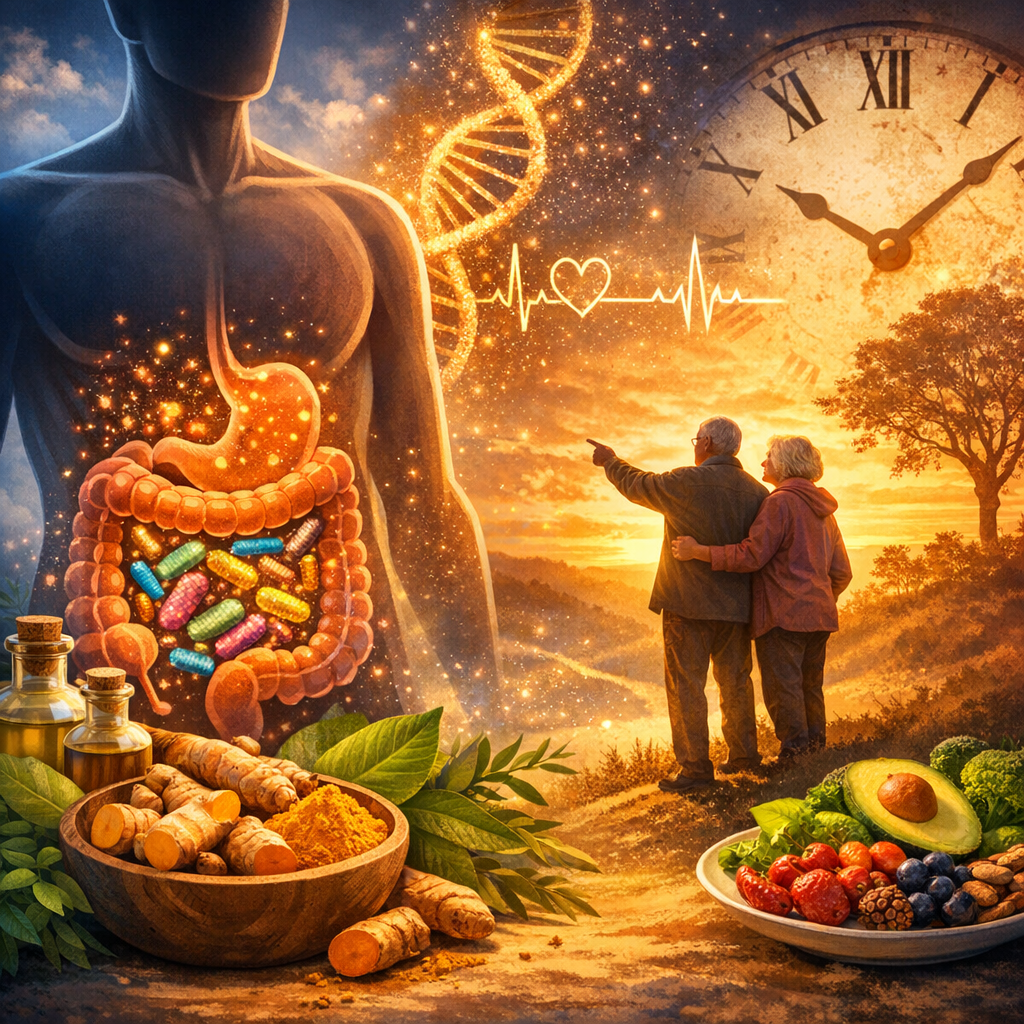
Further research published in “Frontiers in Psychiatry” examined the use of herbal treatments in supporting gut health and influencing serotonin levels. Herbs such as turmeric, with its active component curcumin, have been credited with possessing anti-inflammatory properties that promote gut health. Similarly, ginger, rich in bioactive compounds, has been shown to enhance digestive function and potentially modulate gut microbiota, leading to improved serotonin synthesis.
These studies collectively illuminate the promising potential of natural interventions in cultivating a healthy gut environment conducive to optimal serotonin production. As we further unravel the gut-mind blueprint, the integration of dietary and herbal strategies may prove to be pivotal in supporting mental health and fostering resilience against mood disorders.
Conclusion
In exploring the biochemical links between serotonin production and gut microbial diversity, the profound interplay between the gut and mind becomes evident. By prioritizing gut health through natural cures, herbal treatments, and dietary interventions, we unlock new pathways to mental and emotional well-being. As ongoing research continues to enrich our understanding, embracing a holistic approach to gut health not only holds promise for improving mood and cognitive function but also empowers individuals to take charge of their mental health naturally and sustainably.
References
– [Nature Microbiology Study on Gut Microbiota](https://www.nature.com/articles/nmicrobiol2015207)
– [McGill University Probiotics Clinical Trial](https://www.mcgill.ca/psych/files/psych/probiotic_study_2016.pdf)
– [Frontiers in Psychiatry on Herbal Treatments](https://www.frontiersin.org/articles/10.3389/fpsyt.2020.567612/full)
Concise Summary:
The interplay between the gut and mind, driven by serotonin production, is crucial for mental health. Approximately 90% of serotonin, a key neurotransmitter for mood regulation, is produced in the gut. A diverse gut microbiome enhances serotonin production, promoting improved cognitive and emotional health. Germ-free mice and human clinical trials on probiotics have shown the link between gut health and mood. Natural interventions like herbs and probiotics are explored for enhancing gut health and serotonin synthesis, holding promise for holistic mental health improvement. Emphasizing gut health through natural methods can empower individuals toward sustainable mental well-being.