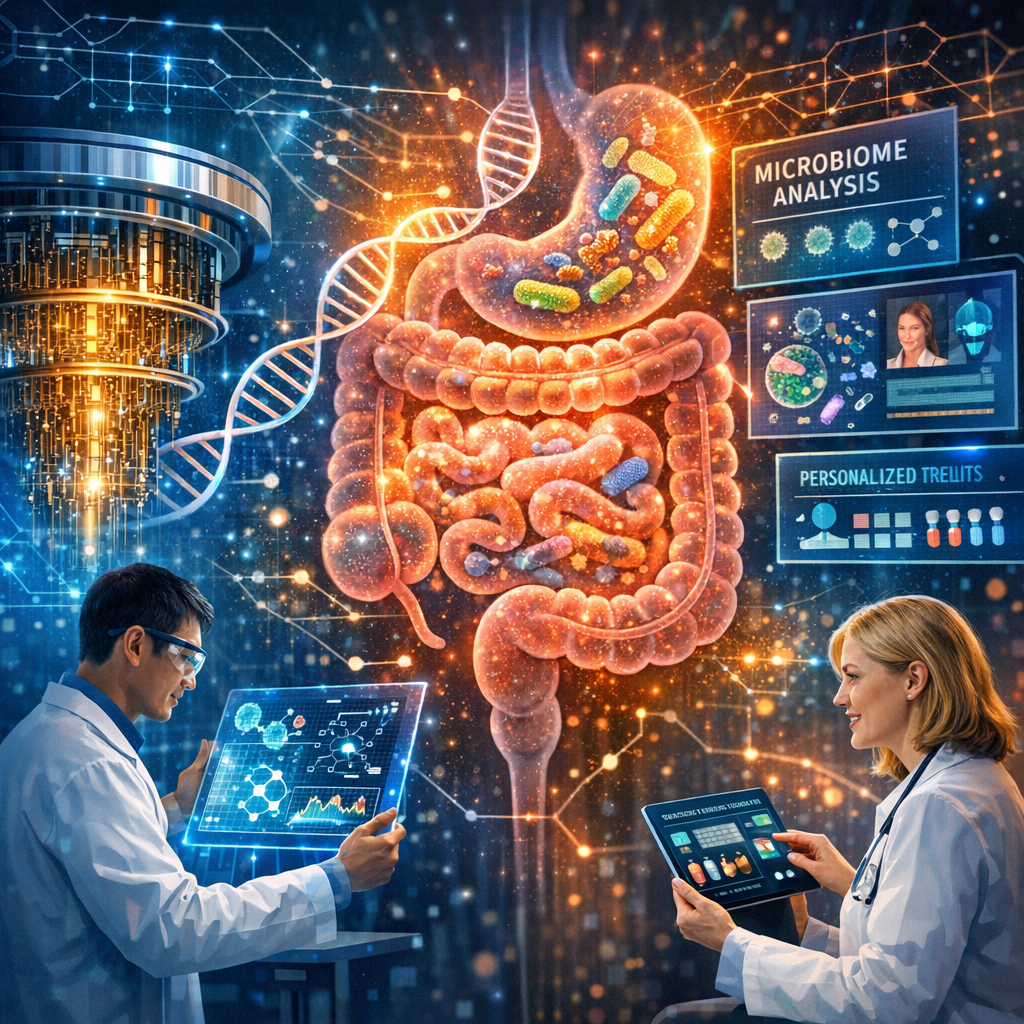
How Quantum Computing Could Revolutionize Gut Health Diagnostics and Personalized Treatment Protocols
Introduction
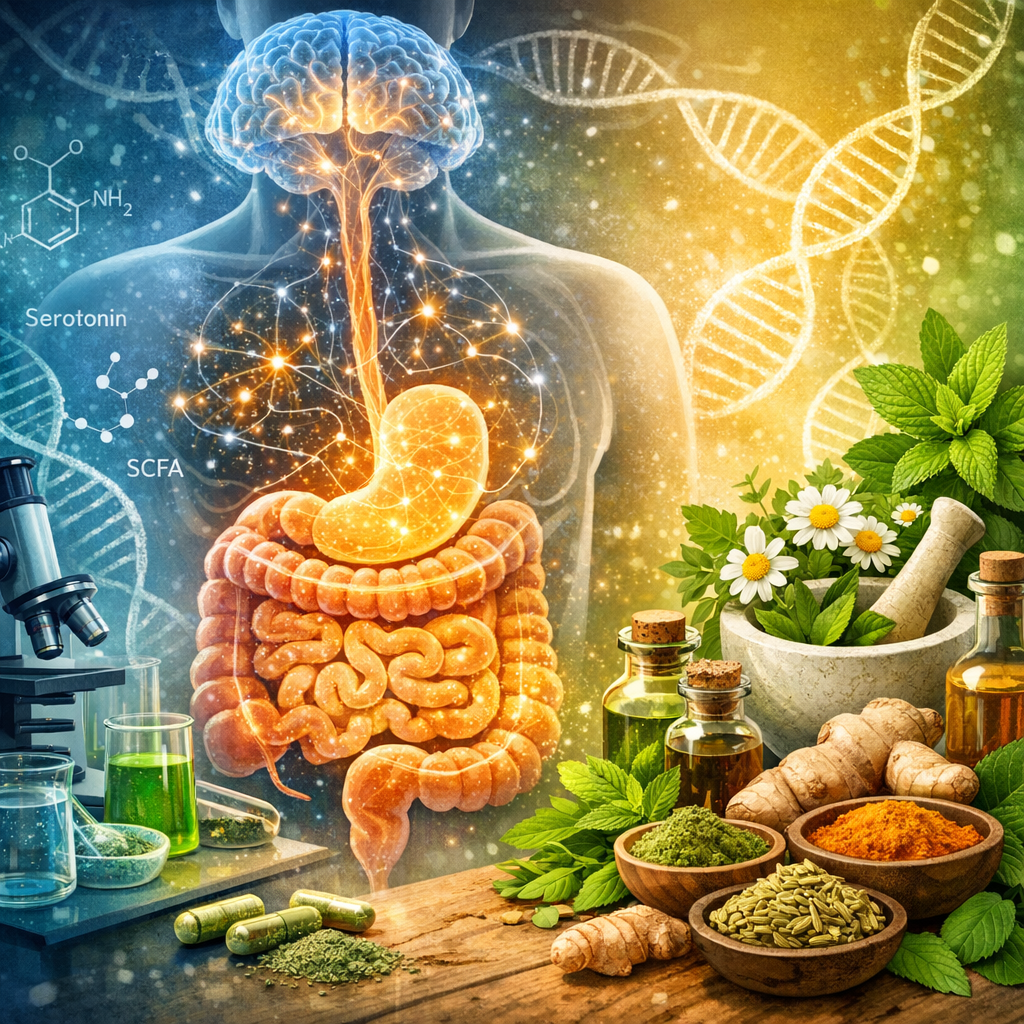
In the world of healthcare, personalized treatment protocols are rapidly becoming the gold standard, and gut health is no exception. This trend is driven by the intricate relationship between the gut microbiome and overall health. The gut is home to trillions of microorganisms that influence everything from digestion to mental health, making it imperative to understand this complex ecosystem for designing effective treatments. The cutting-edge field of quantum computing promises to take our understanding and capabilities to unprecedented levels.
Quantum computing, a revolutionary advancement in computational technology, uses the principles of quantum mechanics to process information. Unlike classical computers, which work with bits in a binary state (0 or 1), quantum computers use qubits that can exist in multiple states simultaneously. This allows quantum computers to solve complex problems exponentially faster than classical ones, handling vast and intricate datasets with ease.
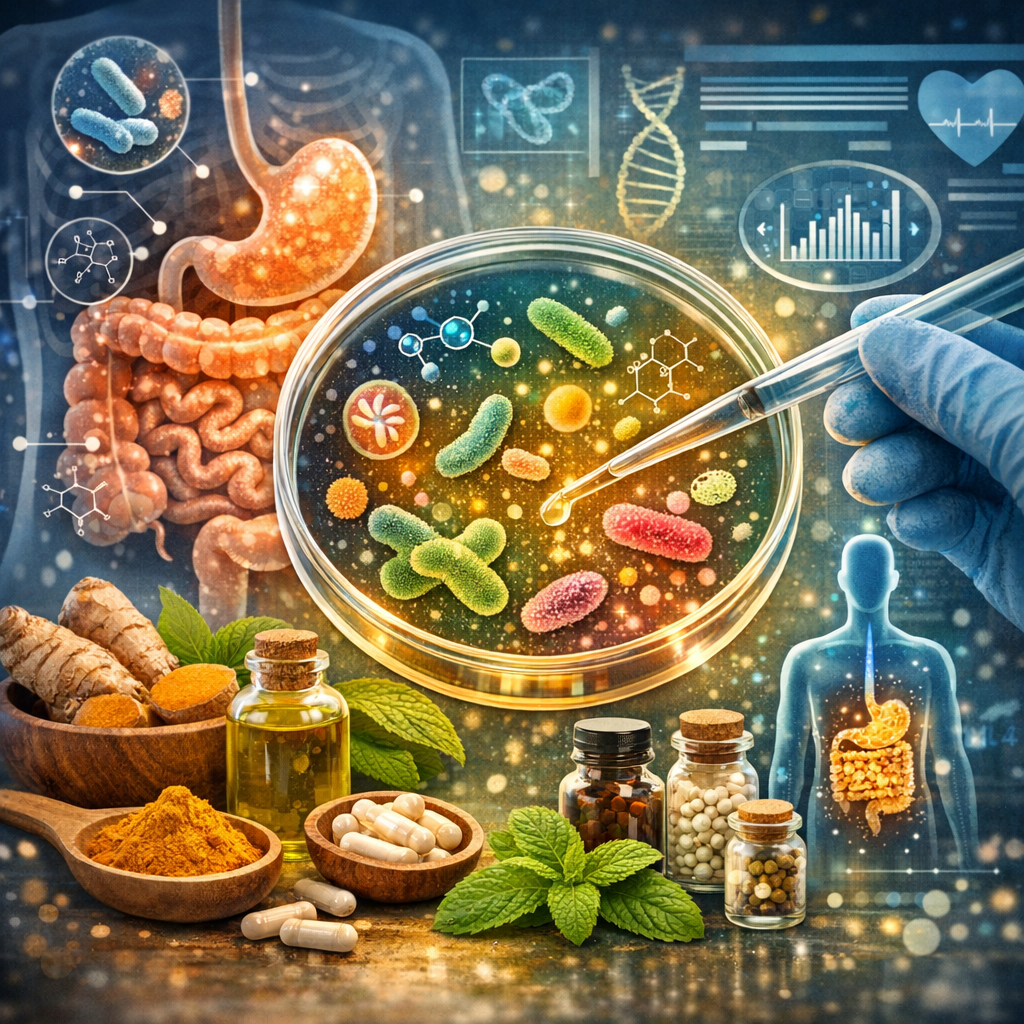
The interaction between quantum computing and gut health diagnostics opens up new possibilities in data analysis and personalized treatment. At the heart of this revolution lies the ability to model intricate interactions within the gut microbiome quickly and accurately. By leveraging quantum algorithms, researchers can delve into the vast genetic information contained in microbiomes, identifying patterns and sequences that would take classical computers years to decipher.
The implications for diagnostics are significant. Current methods often rely on broad-spectrum analysis, which can be time-consuming and lack specificity. Quantum computing has the potential to offer incredibly accurate and personalized diagnostic information in real-time, allowing for tailored treatments that account for an individual’s unique gut flora composition and its interaction with the body. This could lead to more effective remedies with fewer side effects, as treatments can be tailored to target specific strains within the gut microbiome.
This revolutionary technology could also redefine how we curate diets, supplements, and probiotics, by providing insights that are deeply personalized and evidence-backed. With quantum computing on the horizon, a new era of precision medicine for gut health beckons, promising unprecedented improvements in diagnostic accuracy and treatment efficacy.
Features
Recent advancements in quantum computing have captured the imagination of the scientific community, especially in the field of healthcare. One promising application is in the study of complex biological systems, like the human gut microbiome. As highlighted in a 2023 study published in “Nature,” researchers have begun using quantum-based algorithms to analyze microbiome data at an unprecedented level of detail. The study demonstrated that quantum algorithms could identify microbial genes that correlate with dietary patterns and health outcomes significantly faster than traditional methods.
Another notable initiative leveraging quantum computing in healthcare is IBM’s Qiskit project. IBM researchers are developing quantum algorithms specifically designed to model complex biological interactions. These algorithms hold the promise of transforming how we understand microbiome dynamics. As explored in IBM’s recent white paper, they are working on using quantum simulations to predict how specific changes in the gut microbiota can affect metabolic processes (IBM Research, 2023).
Quantum computing is also poised to refine drug development processes, allowing for the creation of therapies that are precisely aligned with individual biological profiles. A collective research effort by MIT and Google explored how quantum computers can sift through complex datasets to identify potential new compounds for treating specific strains of bacteria found in the gut (MIT Technology Review, 2023). This opens the door to developing targeted antibiotics and probiotics that can directly modulate the gut flora, offering a level of precision that traditional pharmaceutical methodologies cannot achieve.
Moreover, the ethical implications of using quantum computing in personalized healthcare are also under scrutiny. Balancing the need for comprehensive data analysis with privacy concerns presents a significant challenge. However, experts suggest that quantum encryption technologies could offer robust solutions in maintaining data privacy while empowering individualized medicine.
The fusion of quantum computing with microbiome research heralds a transformative leap in gut health management. By enabling a more nuanced understanding of the microbiome’s role in disease, quantum computing promises to push the boundaries of what is possible in personalized healthcare, heralding a new era of treatment modalities tailored at the molecular level.
Conclusion
As quantum computing continues to evolve, its application in gut health diagnostics and personalized treatment protocols stands poised at the frontier of medical innovation. The ability to decode complex biological data efficiently and effectively can significantly transform healthcare. While the road to fully integrating quantum computing into everyday medical practices may still be in its early stages, the potential benefits make it an exciting prospect. By ushering in a new era of precision medicine, quantum computing holds the promise of revolutionizing how we understand, diagnose, and treat the intricate ecosystems within our guts, ultimately paving the way for advancements in overall health and well-being.
Concise Summary
Quantum computing stands to revolutionize gut health diagnostics by offering rapid, precise insights into the gut microbiome. Unlike classical computing, quantum technology leverages qubits to handle complex data efficiently, enabling personalized treatment protocols and more effective diagnostics. Initiatives from organizations like IBM and MIT demonstrate how quantum algorithms can refine drug development, individualize therapies, and predict metabolic impacts. Ethically, attention is needed to balance privacy with comprehensive data analysis. As quantum computing evolves, it promises to advance precision medicine, fundamentally transforming our understanding and treatment of gut health in the future.