Redefining Gut Health: Revolutionary Strategies for Reprogramming Your Microbiome Blueprint
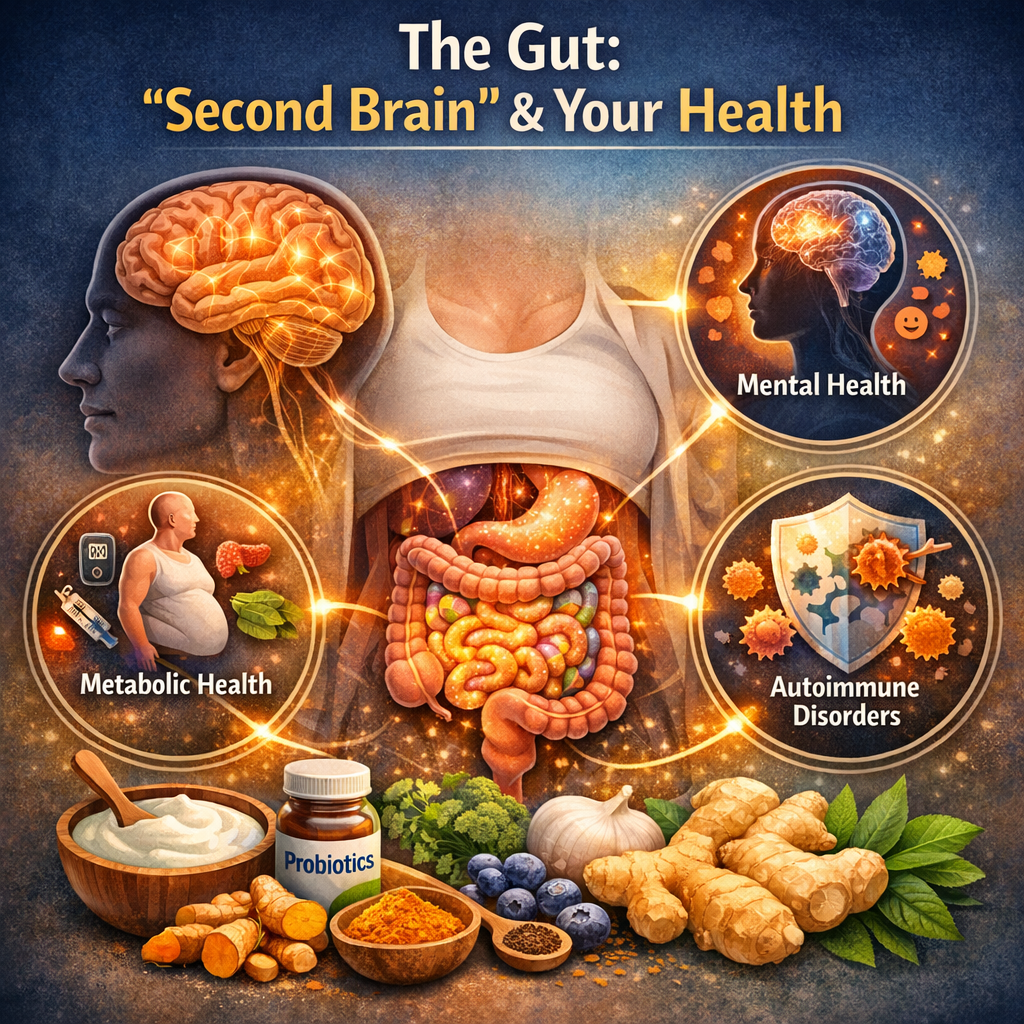
In recent years, the realm of gut health has burgeoned into a vital area of interest not just for health practitioners but also for health-conscious individuals worldwide. The gut microbiome—a complex community of trillions of microorganisms residing in our digestive tract—plays a critical role in numerous bodily functions, including digestion, immune response, and even mental well-being. As science unveils the profound connections between gut bacteria and overall health, individuals are clamoring for strategies to optimize their microbiomes. The growing interest in natural cures and herbal treatments offers promising avenues to nurture gut health through programs that focus on dietary inclusions, lifestyle modifications, and targeted herbal interventions.
The essence of gut wellness lies in maintaining a balanced microbial ecosystem. When this delicate balance tips due to factors like poor diet, stress, or antibiotic use, it can lead to dysbiosis—a condition associated with gastrointestinal issues, inflammatory diseases, and even mood disorders. Fortunately, in addition to pharmaceutical approaches, nutritional science suggests that certain natural conduits can foster a thriving gut environment.
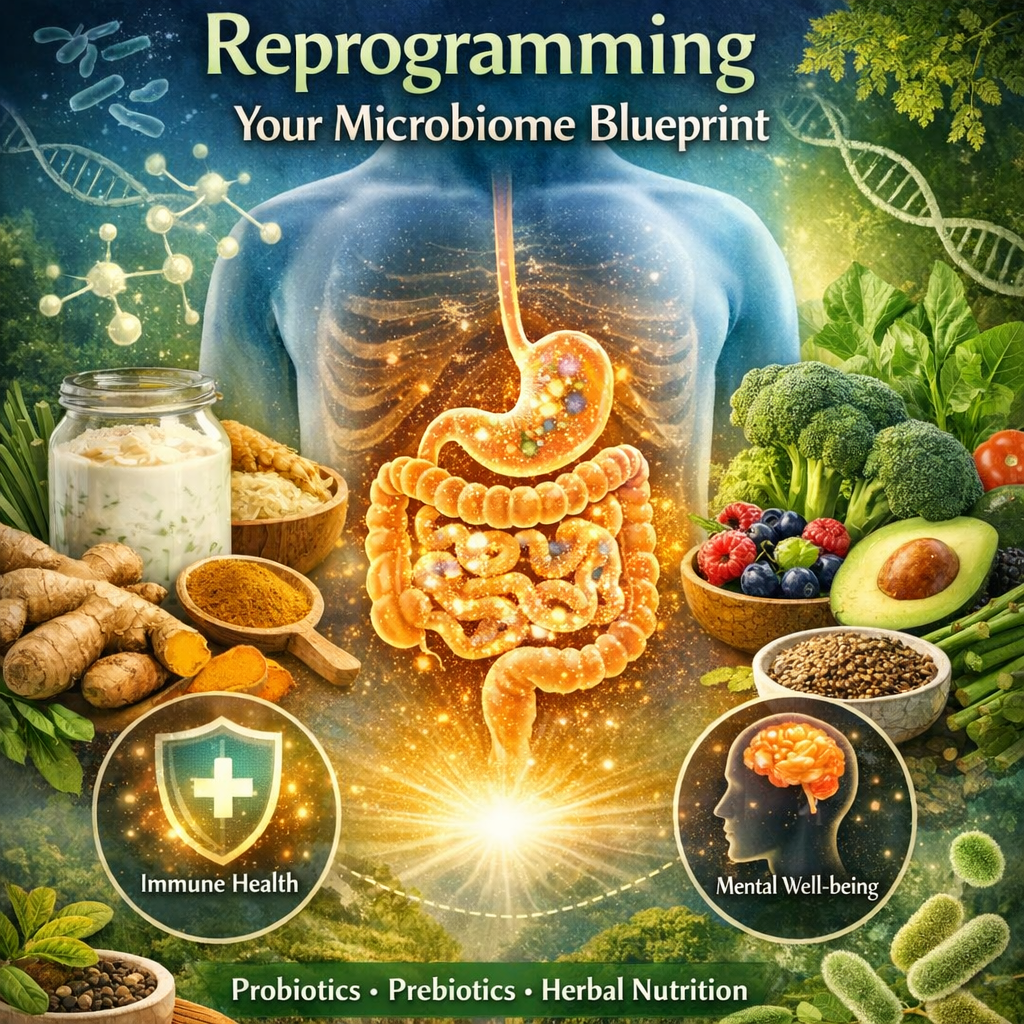
Probiotics, live beneficial bacteria, and prebiotics, the fibers that feed them, are pivotal to this discussion. Fermented foods such as yogurt, kefir, and sauerkraut supply these good bacteria, whereas prebiotic-rich foods like garlic, onions, and bananas provide sustenance that supports their growth. Moreover, herbs such as ginger, garlic, peppermint, and turmeric have shown promise in supporting digestion and soothing gut inflammation.
The surge in interest has led to a surge in research, further elucidating the symbiotic interplay between gut bacteria and human health. As we step into an era dominated by chronic diseases linked to lifestyle, developing strategies to enhance gut health without medication is revolutionary. This lays the groundwork for more profound, holistic health transformations fueled by a reimagined microbiome blueprint.
Features: Cutting-Edge Studies on Gut Health Strategies
Recent professional and scientific investigations continue to shed light on innovative strategies to reprogram the gut microbiome. A [study conducted by the University of California, San Diego](https://journals.physiology.org/doi/full/10.1152/physrev.00020.2016), highlights how a diverse diet profoundly impacts gut diversity and resilience. Participants who followed a diet rich in plant-based foods exhibited notably higher levels of microbiome diversity, which is often associated with better health outcomes and a reduced risk of certain diseases. This supports the notion that nutrition is not just about what you eat, but also how it reshapes your gut environment.
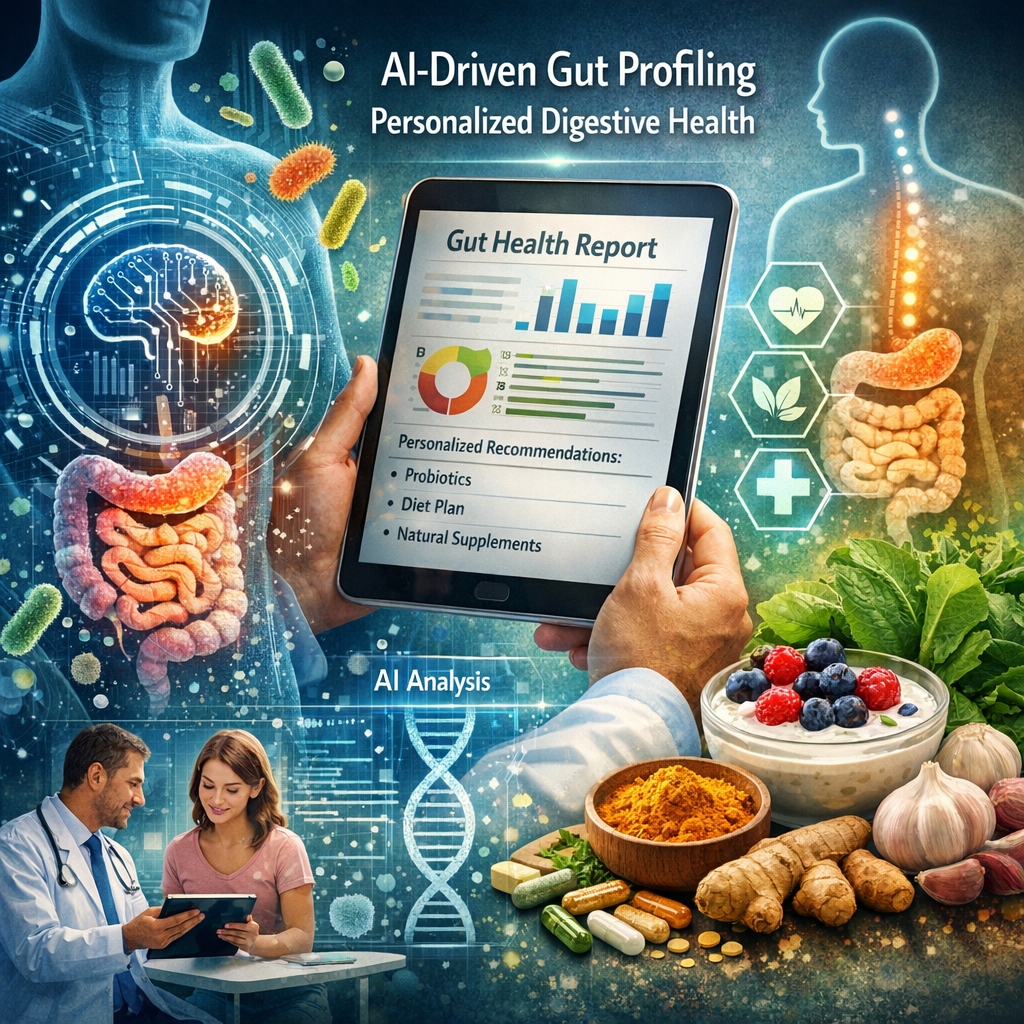
Furthermore, [research from the Weizmann Institute of Science](https://www.cell.com/cell/fulltext/S0092-8674(19)30273-7) shows that personalized nutrition can shift gut microbial populations more effectively than other general interventions. Their clinical trials, involving dietary recommendations tailored to each individual’s metabolic responses and microbiome composition, demonstrated reduced blood sugar spikes and better weight management. This suggests that an individualized approach could be the key to maximizing gut health benefits—a concept gaining traction among functional medicine practitioners.
Herbal interventions have not been left behind, either. A 2020 review published in the [World Journal of Gastroenterology](https://www.ncbi.nlm.nih.gov/pmc/articles/PMC6417532/) found that certain herbs, such as licorice root and slippery elm, exhibit prebiotic-like effects, promoting the growth of beneficial bacteria. This underscores the potential of herbal medicine to act synergistically with dietary strategies to reinforce gut health. Moreover, these natural agents are being explored for their roles in alleviating symptoms of irritable bowel syndrome (IBS) and other digestive issues through their anti-inflammatory and healing properties.
Conclusion
As awareness of the gut microbiome’s influence on health grows, so does the impetus to explore innovative, natural interventions for its enhancement. Strategies focusing on a diverse diet, personalized nutrition, and herbal supports are redefining the conventional approaches to gut health. While the journey of each individual’s microbiome is unique, the convergence of dietary and herbal therapies holds the promise of reprogramming our microbiome blueprints towards improved well-being. Continuing research and openness to integrate these revolutionary ideas into everyday practices could pave the way for a healthier future on an individual and global health scale.
Concise Summary:
Gut health has gained immense attention due to the critical role the microbiome plays in digestion, immune function, and mental well-being. Maintaining a balanced microbial ecosystem prevents issues like dysbiosis. Recent studies highlight the effectiveness of a diverse diet and personalized nutrition in promoting probiotic and prebiotic growth, while certain herbs offer additional benefits. These findings are revolutionizing traditional gut health approaches, presenting an opportunity for profound, natural health transformations. The integration of these strategies may herald a new era of personalized gut health initiatives with broad health implications.