Cracking the Code: How Advanced Hormonal Profiles Influence Your Gut’s Microbiome Resilience
Introduction
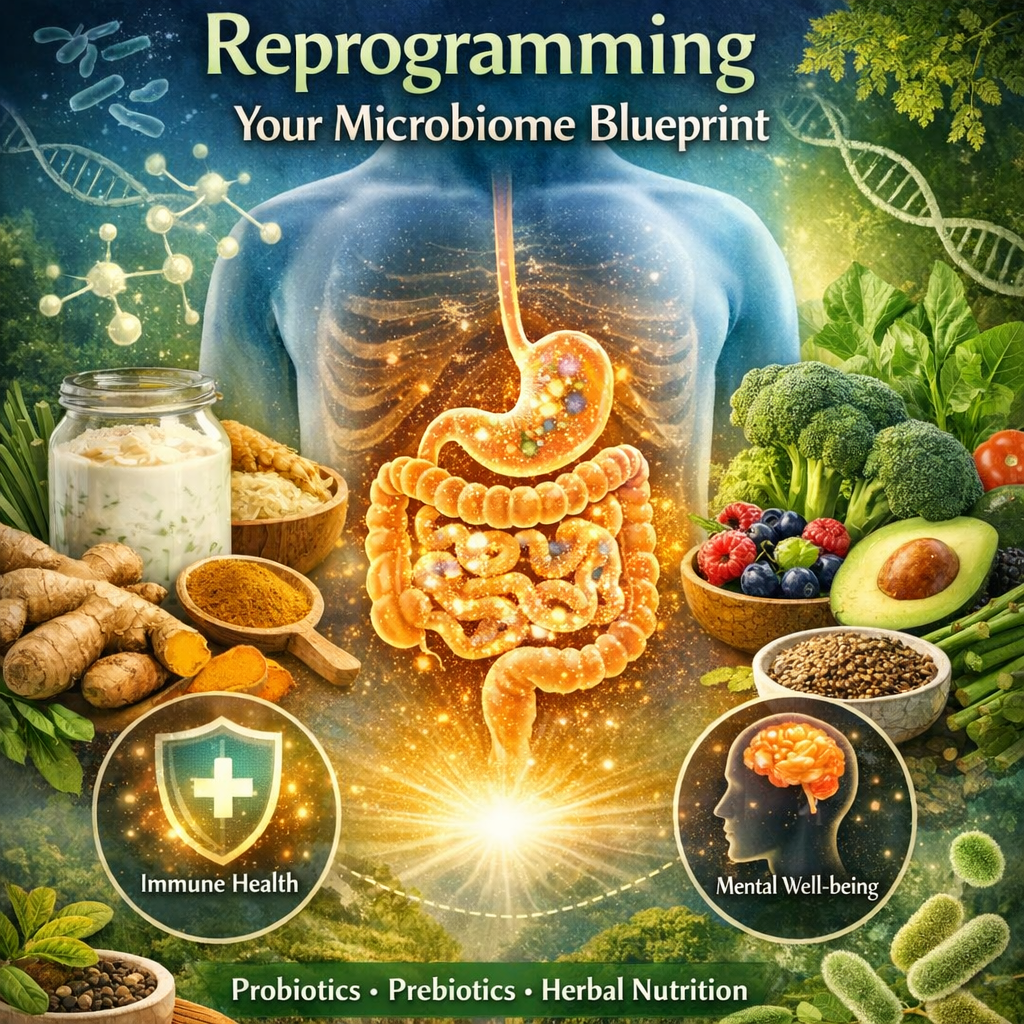
The human gut, often referred to as the “second brain,” is a complex ecosystem teeming with trillions of microorganisms. These microbes play a crucial role in digestion, immunity, and overall health. However, what might surprise many is the extent to which our hormonal profiles—both natural and those influenced by lifestyle and age—affect this intricate microbial community. As research into the gut microbiome expands, scientists are uncovering profound connections between hormonal fluctuations and gut health, revealing potential pathways to enhance our microbiome resilience naturally.
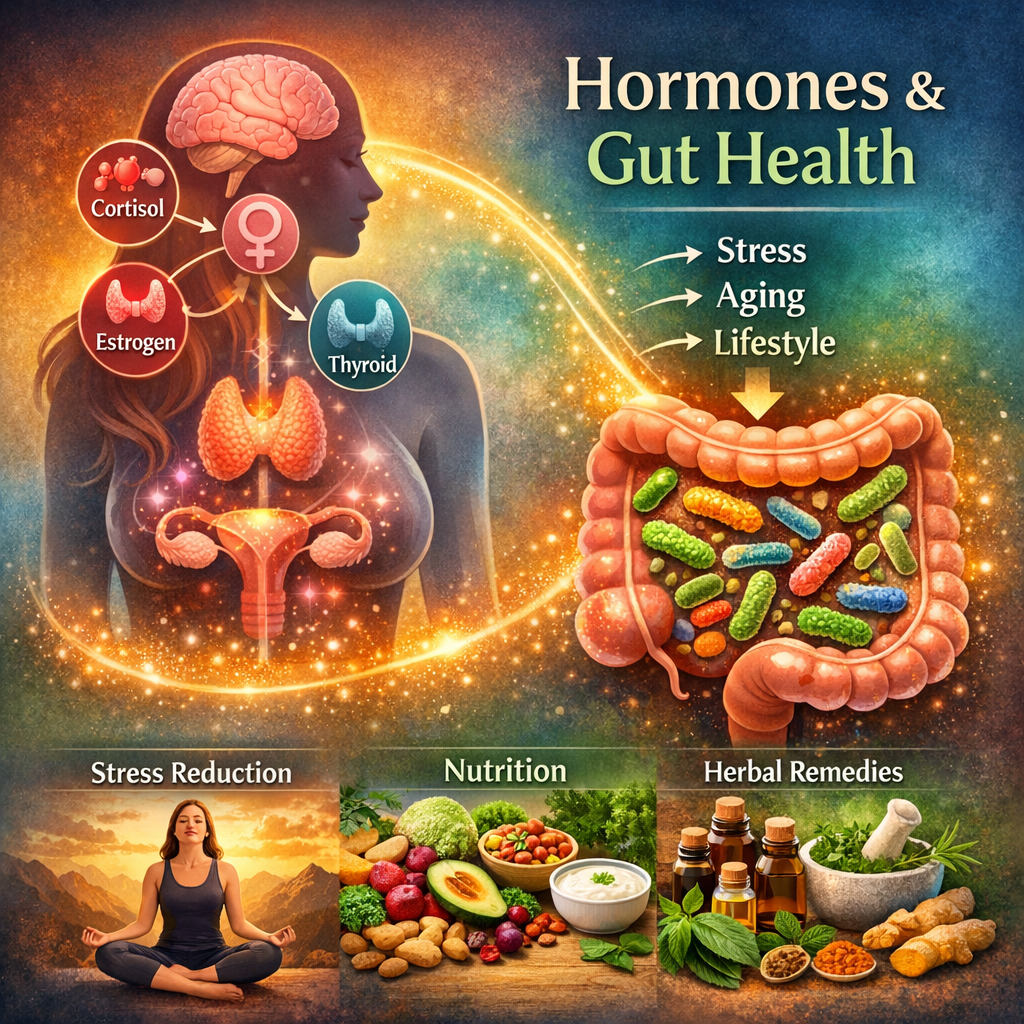
Hormones are biochemical messengers that orchestrate various physiological functions, including growth, metabolism, and reproductive health. More recently, their influence on the gut microbiome has shifted into the spotlight. Stress hormones like cortisol, reproductive hormones such as estrogen and progesterone, and metabolic hormones including insulin, not only affect the body’s immediate physical functions but also have long-term impacts on the gut microbiota’s composition and resilience. For instance, chronic stress can lead to elevated cortisol levels, which may disrupt the gut barrier function and promote an environment conducive to dysbiosis, or microbial imbalance.
Furthermore, as we age, natural hormonal changes like menopause in women and decreasing testosterone in men can alter the gut microbiome. These changes might explain why metabolic disorders, immune dysfunctions, and gut-related discomforts become more prevalent with age. Understanding the dynamic interplay between hormones and gut health is crucial, as it presents intriguing possibilities for natural interventions and personalized treatments aimed at bolstering the gut’s microbial defenses.
This growing body of evidence suggests that by understanding and potentially modifying our hormonal profiles, we can pave the way to a more resilient microbiome and improved overall health. Therefore, adopting lifestyle changes such as stress reduction techniques, balanced nutrition, and the use of specific herbal treatments may support hormonal balance and consequently, a healthier gut environment.
Features
Recent studies have highlighted significant links between hormonal fluctuations and gut microbiome* dynamics. A study published in the journal [“Nature Reviews Endocrinology”](https://www.nature.com/articles/s41574-019-0238-3) investigated how hormonal changes, particularly those associated with the reproductive lifecycle, affect women’s gut microbiota. The researchers found that hormonal therapies and dietary interventions could potentially mediate these effects, opening new avenues for treating gut-related disorders prevalent in the female population.
Additionally, a groundbreaking study in [“Cell Metabolism”](https://www.cell.com/cell-metabolism/fulltext/S1550-4131(20)30340-6) demonstrated that insulin regulation could profoundly influence gut microbiome composition and diversity. The researchers orchestrated trials involving insulin therapy in diabetic patients, noting significant microbial shifts correlating with improved metabolic profiles. This study underscores the potential for metabolic hormone management as a pillar for promoting gut health.
Another compelling piece of research from [“Psychoneuroendocrinology”](https://www.sciencedirect.com/science/article/abs/pii/S0306453018302283) explored the impact of stress hormones on the microbiome. This study found that high cortisol levels linked to chronic stress often resulted in reduced microbial diversity, an indicator of poor gut health. However, participants who undertook stress-reducing practices such as yoga and meditation experienced notable improvements in gut resilience. These findings suggest that natural techniques aimed at hormone regulation can have substantial positive outcomes on gut microflora.
Herbal therapies are also gaining traction, with studies supporting their role in modulating hormonal effects on the gut. For instance, the use of adaptogens like Ashwagandha and Rhodiola rosea, known for their stress-alleviating properties, have demonstrated beneficial impacts on microbial balance due to their cortisol-lowering capabilities. These herbs, along with supplements like Omega-3 fatty acids and probiotics, offer promising avenues for naturally enhancing gut health by supporting hormonal regulation.
Conclusion
In conclusion, understanding the intricate connection between hormonal profiles and gut microbiome resilience unveils promising opportunities for enhanced health preservation and disease prevention. By acknowledging how stress, reproductive, and metabolic hormones influence the gut’s microbial inhabitants, individuals can take proactive steps towards improving both their hormonal and gut health. This holistic approach, encompassing stress management techniques, targeted nutritional strategies, and research-backed herbal interventions, promises a brighter future for maintaining gut health naturally and effectively. As the exploration of this field continues to expand, the wave of new insights will undoubtedly guide us toward novel and personalized approaches to health and wellness.
Concise Summary
The article explores the profound interplay between hormonal profiles and the gut microbiome, emphasizing their crucial roles in overall health. It discusses how hormones like cortisol, estrogen, and insulin impact gut microbiota, influencing digestion, immunity, and resilience. The studies mentioned highlight how interventions, such as hormonal therapies, dietary adjustments, stress reduction techniques, and herbal treatments like adaptogens, may enhance gut health by modulating hormonal effects. Understanding these connections provides pathways for personalized health strategies, potentially alleviating age-related issues and promoting long-term wellness through natural interventions.