The Forgotten Gut Biome: How Invasive Parasites Might Be Holding Back Your Healing
The health of our gut, often referred to as the “second brain,” is intricately linked to our overall well-being. A thriving gut biome is essential for effective digestion, a robust immune system, and even mental health support. However, a lesser-known aspect of gut health deserves widespread attention: invasive parasites. While most discussions about gut health focus on bacteria, the presence of parasites in the digestive system poses a unique challenge that might be overlooked in typical wellness regimens.
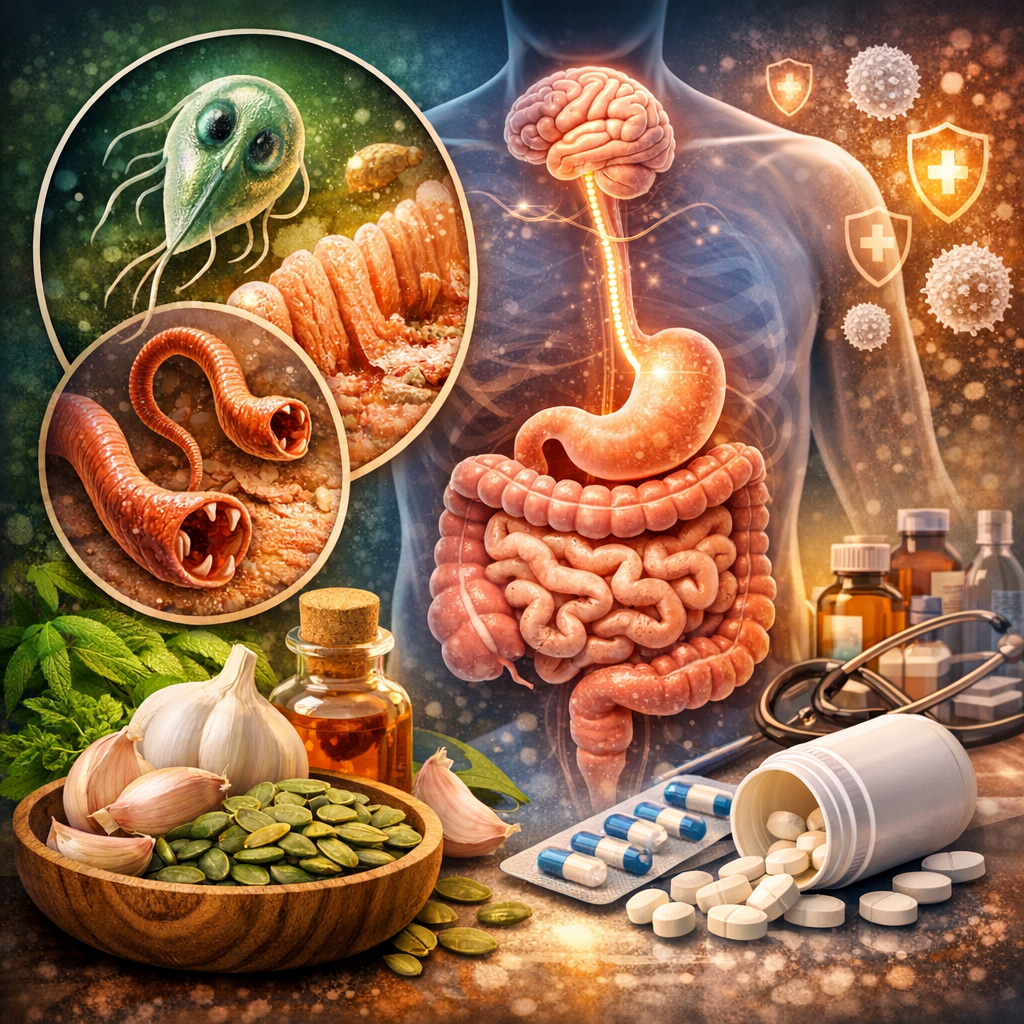
Invasive parasites can disrupt the delicate balance of the gut biome, wreaking havoc on digestive processes and nutrient absorption. These parasites, including species like Giardia, hookworms, and various tapeworms, can enter the human body through contaminated food, water, or improper hygiene practices. Once inside, they multiply and embed themselves within the gut lining, causing damage that often manifests as chronic digestive problems, fatigue, skin issues, and even mood disorders.
To expand on this, the interference caused by parasites extends beyond immediate discomfort and affects the body’s ability to fight off certain infections, potentially leading to more severe health complications over time. Their pervasive nature can make diagnosing and treating these conditions challenging, requiring attention from healthcare providers who specialize in gastrointestinal health.
The impact of parasites on gut health is multifaceted. Firstly, they compete with beneficial gut bacteria for nutrients, depleting the supply needed for the bacteria to flourish and perform vital functions. In addition to disturbing nutrient absorption, parasites also release toxic by-products that can cause inflammation. Chronic inflammation in the gut is linked to a wide range of health issues, from autoimmune diseases to increased vulnerability to infections.
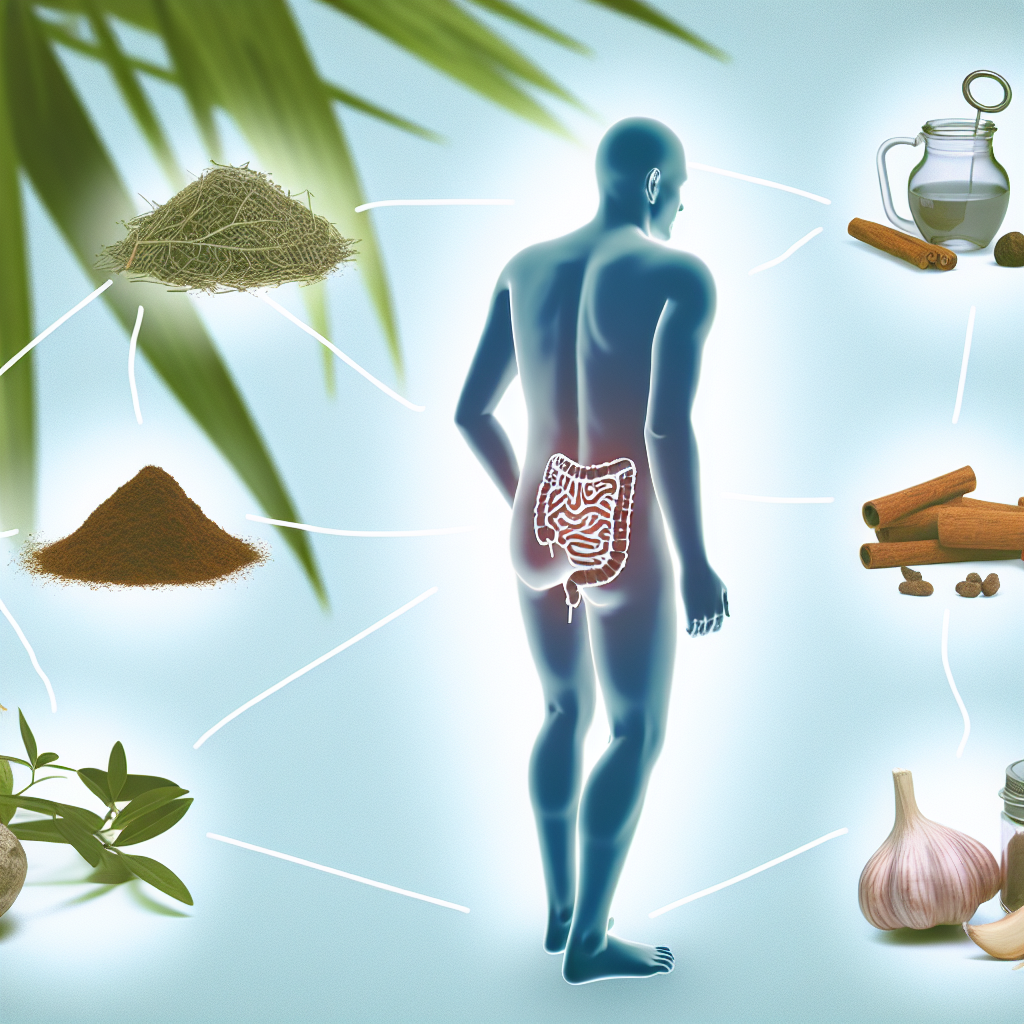
While modern medicine offers a range of antiparasitic treatments, there is a growing interest in natural and herbal interventions that complement these solutions. Various cultures have long relied on herbal medicines like garlic, pumpkin seeds, cloves, and wormwood for their purported antiparasitic properties. For instance, garlic is renowned for its allicin content, a compound believed to combat numerous strains of parasites. Pumpkin seeds contain cucurbitacin, which is thought to paralyze parasites in the digestive tract, making them easier to expel.
These traditional remedies, supported by emerging scientific studies, explore a new frontier in gut health. As researchers delve deeper into the relationship between invasive parasites and gut biome health, it becomes more apparent that addressing parasitic infections through natural means can potentially restore gut harmony, leading to improved overall wellness.
Features
Recent advancements in medical research have illuminated the significant role that parasitic infections play in disrupting gut health. A study published in the “[Journal of Parasitology Research](https://www.ncbi.nlm.nih.gov/pmc/articles/PMC3707332/)” highlighted the prevalence of parasitic infections in individuals suffering from irritable bowel syndrome (IBS). The research suggests a direct correlation between the presence of parasitic organisms and the exacerbation of IBS symptoms, such as abdominal pain, bloating, and altered bowel habits.
Moreover, another study, conducted by the “[World Journal of Gastroenterology](https://pubmed.ncbi.nlm.nih.gov/26231770/),” examined patients with chronic gut inflammation and discovered that treating underlying parasitic infections resulted in significant symptom relief. The research emphasized the importance of comprehensive testing for parasitic infections in patients presenting with unexplained gastrointestinal symptoms.
The role of nutrition and natural remedies in managing parasitic infections has also been a focal point of research. A review article in the “[Journal of Traditional and Complementary Medicine](https://www.sciencedirect.com/science/article/pii/S2225411017301005)” discussed the efficacy of various herbal remedies, including the aforementioned garlic, pumpkin seeds, and wormwood, in mitigating the impact of parasites on the gut. The review concluded that many of these natural treatments could offer comparable results to pharmaceutical interventions, with fewer side effects.
Advancements in understanding the gut biome’s relationship with parasitic infections underscore the need for an integrated approach to gut health, one that combines both medical and natural solutions. As awareness grows, so too does the potential for innovative treatments that can address the root causes of gut dysfunction, rather than just the symptoms.
Conclusion
The complex interplay between invasive parasites and gut health is an emerging field of study that holds promise for advancing holistic wellness strategies. By leveraging both scientific research and traditional wisdom, individuals have the opportunity to restore gut harmony through natural treatments, thus enhancing their overall health. Continual exploration and openness to integrating herbal remedies with conventional medicine could unlock new pathways to healing and well-being. Ultimately, achieving a balanced and healthy gut biome could be a pivotal step in addressing numerous health challenges, underscoring the vital importance of acknowledging and treating parasitic infections within this context.
Concise Summary: The health of our gut biome is essential for overall wellness, yet invasive parasites are often overlooked factors that can disrupt this balance, leading to digestive and other systemic health issues. Modern and traditional remedies, including garlic and pumpkin seeds, offer potential in addressing these infections. Recent studies emphasize the importance of diagnosing and treating parasitic infections to alleviate chronic symptoms. An integrated approach combining medical and natural solutions may enhance gut health and overall well-being, illuminating new pathways for holistic health strategies.