The Gut Microbiome’s Role in Enhancing Immune Memory: A New Frontier in Personalized Medicine
In the rapidly evolving landscape of personalized medicine, the gut microbiome has emerged as a pivotal element influencing numerous aspects of human health. Traditionally overlooked, this complex community of microorganisms residing within our gastrointestinal tract is now recognized as an active participant in modulating immune functions, shaping responses that could be tapped for disease prevention and management. As researchers delve deeper into the mysteries of the gut, one captivating avenue is its role in enhancing immune memory—a critical function that determines how effectively our bodies respond to pathogens over time.
With the advent of personalized medicine, there’s growing interest in harnessing individual microbiome profiles to craft more precise and effective healthcare interventions. Immune memory is an essential aspect of this endeavor. When we encounter pathogens, our immune system not only seeks immediate neutralization but also generates memory cells tailored to recognize and combat future invasions. This capacity ensures swift and efficient responses to recurring threats, thus providing long-term protection.
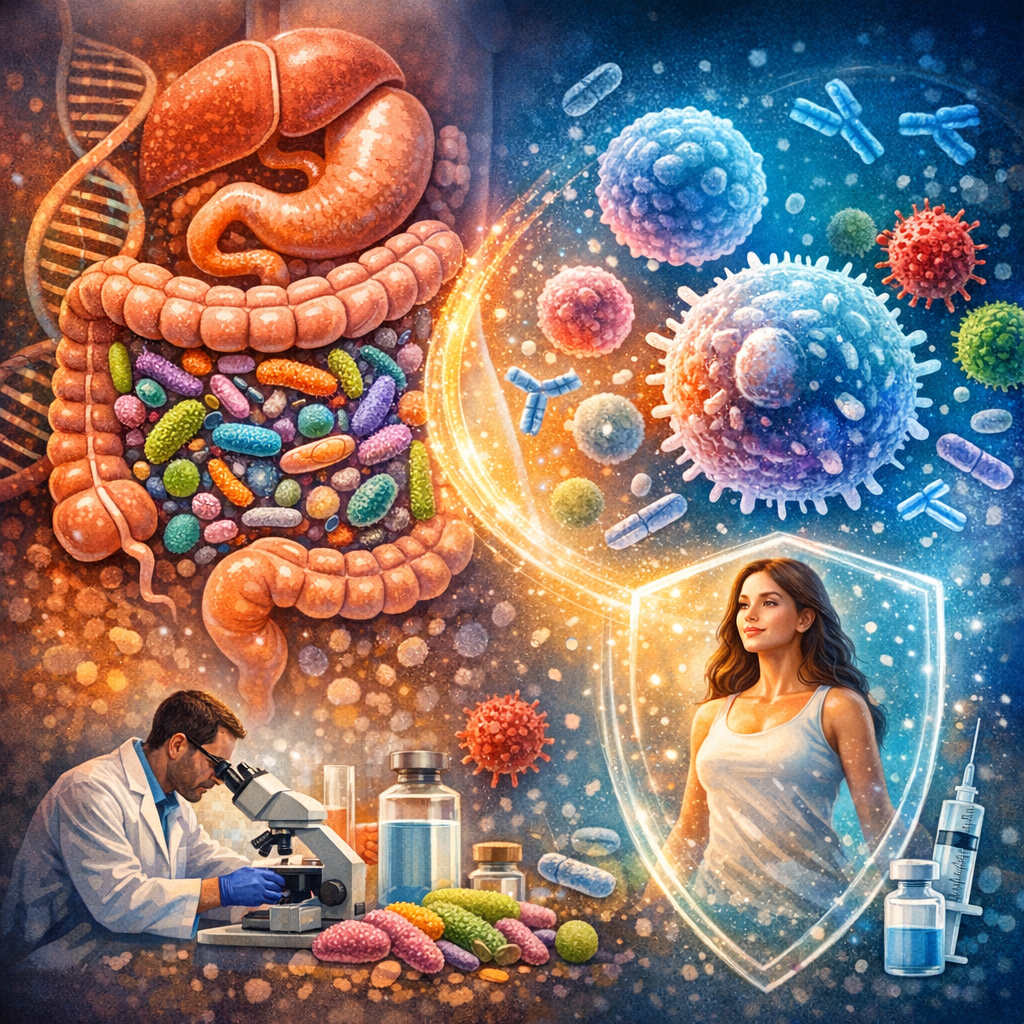
Recent studies indicate that the gut microbiome significantly influences immune memory formation. Specific bacterial strains can modulate immune cell differentiation and function, thereby impacting how the body retains and recalls information about past infections. For instance, short-chain fatty acids produced by gut bacteria have been shown to influence the activity of T cells, a type of immune cell crucial for memory formation.
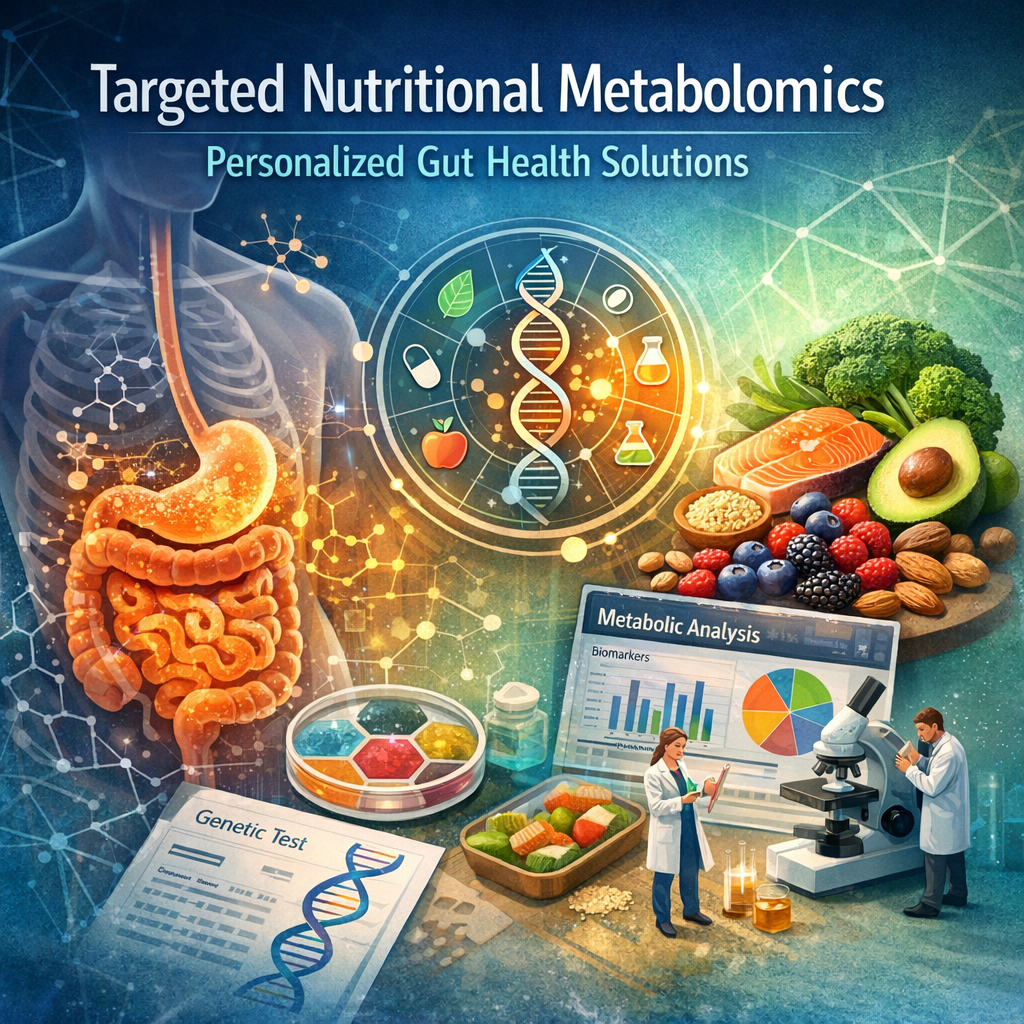
The relationship between the gut microbiome and immune memory opens up remarkable possibilities for personalized medicine. Tailoring probiotic and prebiotic interventions based on an individual’s microbiome could potentially boost immune responses. This approach is particularly promising in the context of vaccines and autoimmune disorders, where enhancing or modulating immune memory could considerably improve outcomes.
As our understanding of this intricate relationship deepens, gut health emerges as not just a digestive concern but a cornerstone of a responsive and resilient immune system. Through dietary adjustments, lifestyle changes, and targeted supplementation, individuals might fortify their microbiome in ways that extend beyond gut health, paving the way for a future where disease prevention is customized and precise.
Features:
A study conducted by the RIKEN Center for Integrative Medical Sciences in Japan highlighted the interaction between gut microbiota and immune cells, demonstrating how a well-balanced microbiome could influence the effectiveness of the immune system’s memory. This research showcased that specific microbial populations could enhance the maturation and function of B cells, which are essential for producing antibodies post-vaccination or infection. The presence of certain species, such as Bacteroides, was linked to improved antibody responses, suggesting that altering gut flora could amplify vaccine efficacy.
Further Exploration:
Another noteworthy study published in *Cell* explored how the gut microbiome affected immune responses in mice. The researchers found that particular gut bacteria were responsible for triggering immune cell development that enhanced secondary immune responses upon reinfection. The study concluded that without these key bacterial players, the immune system’s ability to remember and attack familiar pathogens was significantly impaired. This discovery provides invaluable insight into the potential of microbiome-targeted therapies to bolster immune memory.
Moreover, research published in *Nature Reviews Immunology* emphasized how personalized gut microbiome manipulations might transform vaccine strategies. By profiling individual gut microbiota and identifying beneficial bacterial strains, scientists aim to develop probiotic treatments that enhance immune memory and optimize immune education throughout a person’s life cycle. This personalized approach could revolutionize vaccinations, turning them into more effective and long-lasting defense mechanisms against infections.
These studies underscore a crucial point: the gut microbiome’s influence extends beyond digestion and nutrition. Facilitating improved immune memory through microbiome modulation has the potential to revolutionize how medicine is approached, shifting from a reactive model to a preventive paradigm that prioritizes long-term health and resilience.
Conclusion:
The burgeoning field of microbiome research is ushering in a new era of personalized medicine—an era where gut health acts as a linchpin for immune proficiency. By understanding and harnessing the microbiome’s capacity to enhance immune memory, we stand on the brink of tailoring medical interventions that are not only more efficient but also exquisitely aligned with individual health profiles. As the science progresses, the promise of a future where diseases are not merely treated but anticipated and preempted through microbiome modulation holds unprecedented potential. Individuals seeking to nurture their gut could be paving the way for a more resilient immune system—an investment in health that extends far beyond the gut.
References:
1. [RIKEN Center](https://www.riken.jp/en/)
2. [Cell Press](https://www.cell.com/)
3. [Nature Reviews Immunology](https://www.nature.com/nri/)
Concise Summary:
The role of the gut microbiome in enhancing immune memory offers a promising new direction in personalized medicine. Studies show that specific gut bacteria can influence immune cell differentiation, impacting long-term immune responses. Harnessing individual microbiome profiles could lead to improved vaccine efficacy and the management of autoimmune disorders. This shift from reactive to preventive healthcare highlights gut health as crucial for a resilient immune system. As our understanding grows, targeted therapies could transform medical interventions, providing tailored and effective disease prevention strategies.