The Future of Gut Health: Tapping into Vagally-Mediated Gut-Brain Dialogues for Chronic Illness Recovery
Introduction
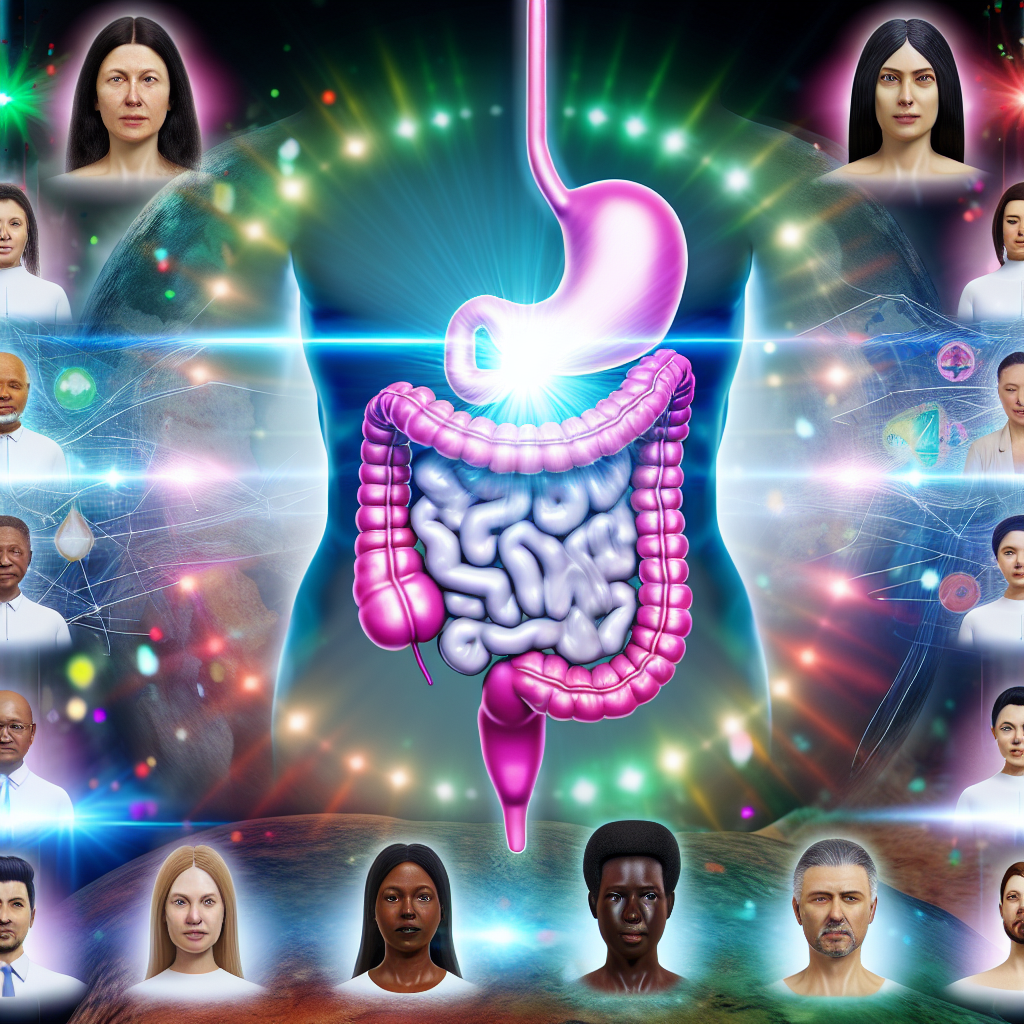
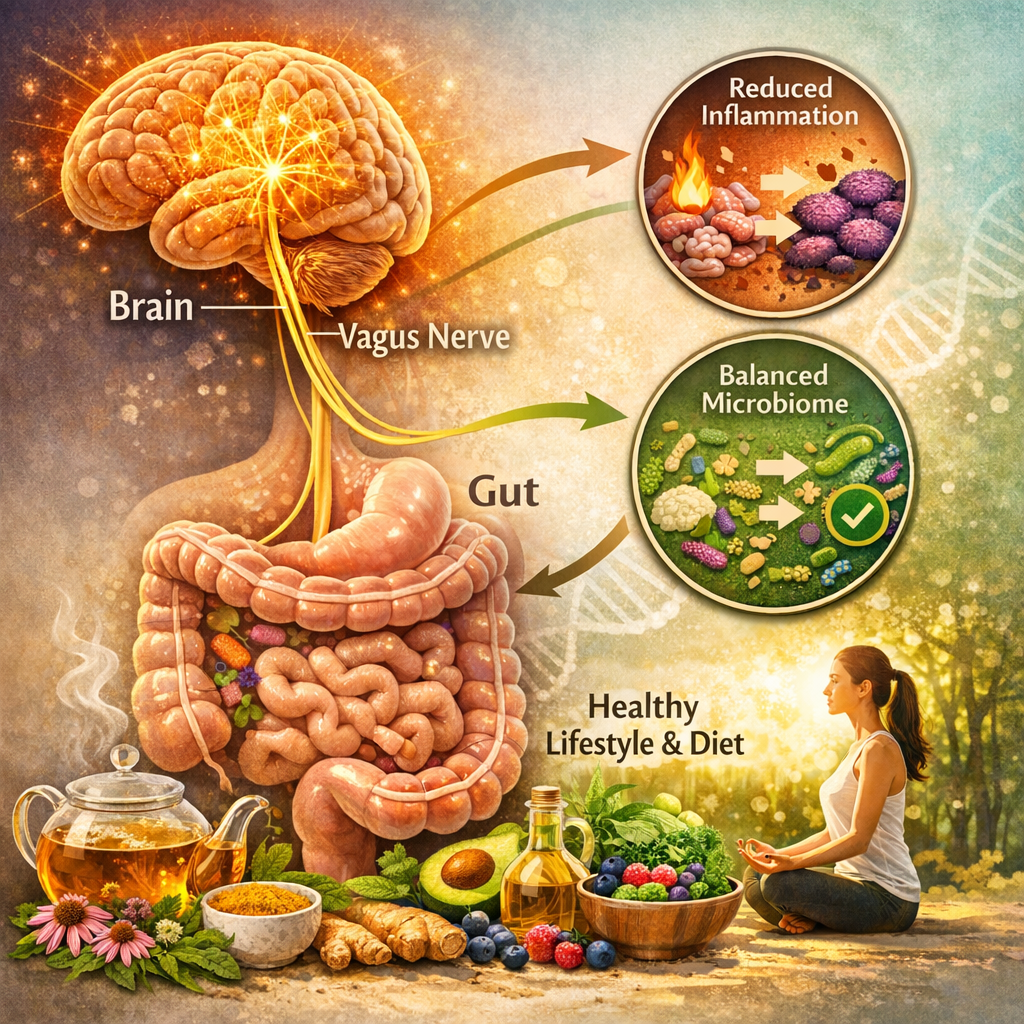
In recent years, our understanding of gut health has undergone a significant transformation, thanks in part to pioneering research into the gut-brain axis. This intricate bidirectional communication network between the gastrointestinal tract and the brain holds profound implications for our mental and physical well-being. At the heart of this relationship lies the vagus nerve, an extensive cranial nerve that orchestrates a subtle yet powerful dialogue between these two systems. As we dive deeper into the potential of vagally-mediated gut-brain dialogues, we uncover promising avenues for addressing chronic illnesses through natural and herbal interventions.
The concept of the gut-brain connection is not entirely new, with historical roots in ancient medical traditions that recognized the digestive system as central to holistic health. However, modern science is now unraveling the precise mechanisms behind this relationship. The vagus nerve serves as a primary conduit, transmitting sensory information from the gut to the brain and modulating physiological responses. Notably, this nerve plays a vital role in regulating inflammation, stress response, and digestive functions.
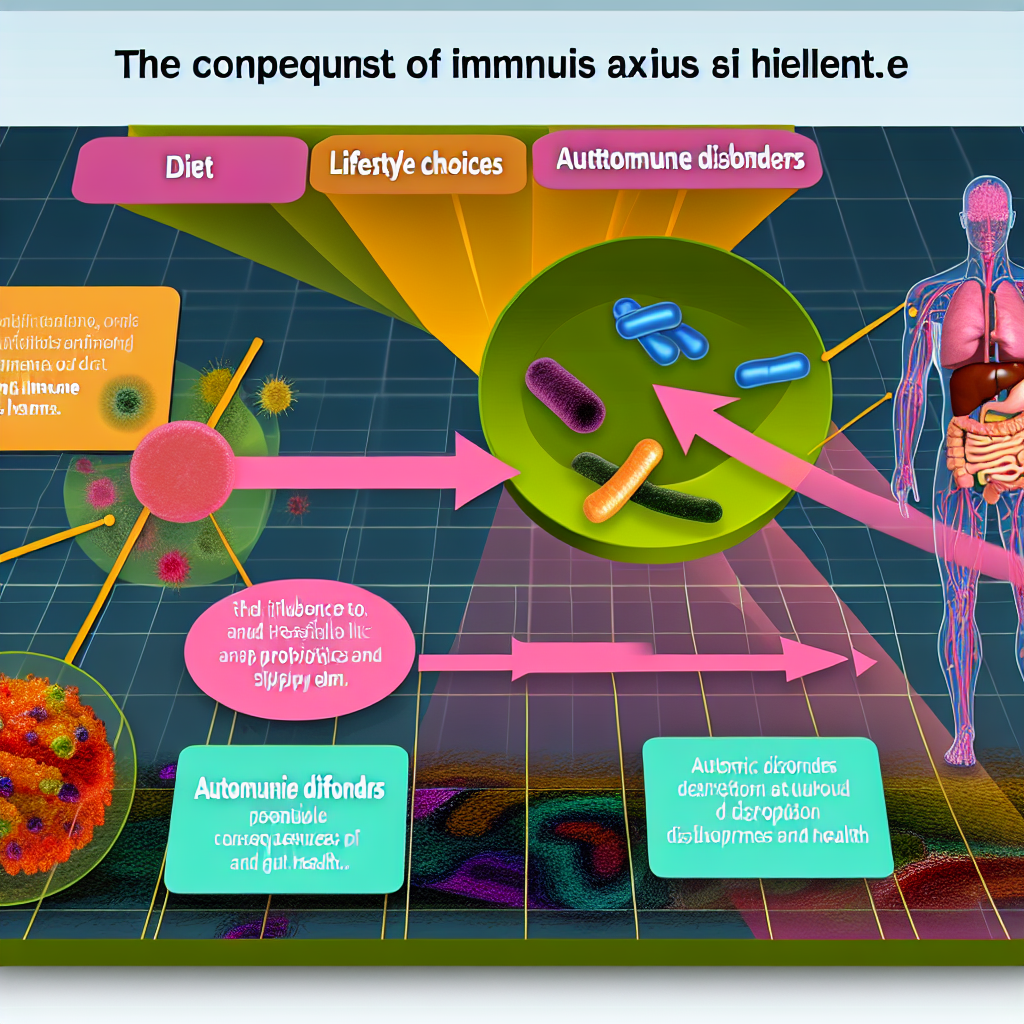
Inflammation is a common thread underlying numerous chronic illnesses, including irritable bowel syndrome (IBS), Crohn’s disease, and even conditions like depression and anxiety. By harnessing the vagus nerve’s innate ability to modulate inflammatory pathways, we open doors to novel therapeutic strategies that align with the body’s natural healing processes. Recent research has revealed that stimulating the vagus nerve, either through non-invasive techniques or lifestyle modifications, can have profound anti-inflammatory effects, promoting overall gut health and resilience.
Beyond inflammation, the vagus nerve influences the gut microbiome, a diverse ecosystem of trillions of microorganisms that play a critical role in our health. Studies suggest that improving vagal tone may positively impact microbial balance, enhancing digestion and nutrient absorption while reducing symptoms of gut dysbiosis.
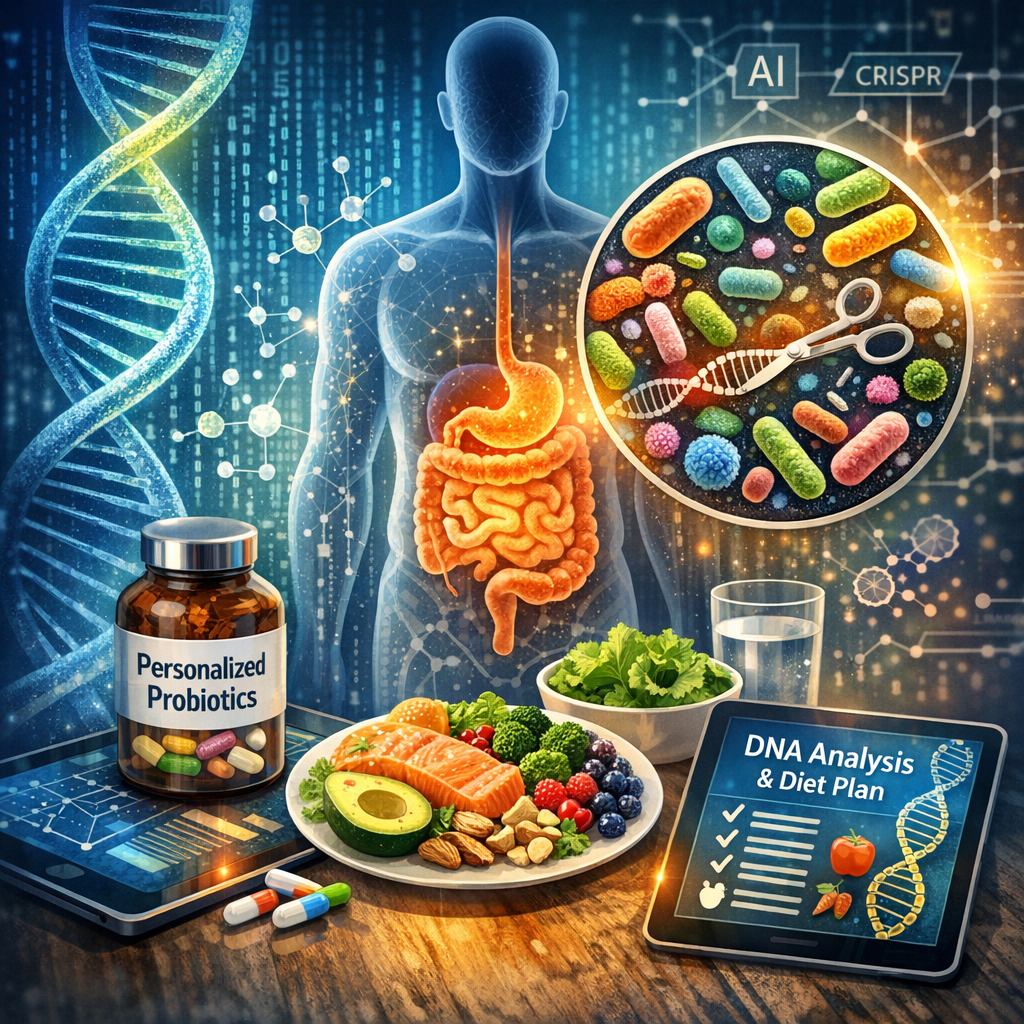
As the prevalence of chronic illnesses continues to rise, the exploration of vagally-mediated approaches offers hope for more personalized and holistic interventions. By tapping into the body’s innate capacity for healing through the gut-brain axis, we take a step towards a future where chronic illness recovery is rooted in understanding and harnessing the complex interactions within our bodies.
Features
Recent professional and medical studies have delved into the potential of vagally-mediated interventions for gut health and chronic illness recovery. One such study, published in the [Journal of Neurogastroenterology and Motility](https://www.jnmjournal.org/), explored the therapeutic effects of vagus nerve stimulation (VNS) in patients with IBS. The findings demonstrated significant improvements in both gut symptoms and mood, highlighting the interconnected nature of gut-brain dynamics. By enhancing vagal tone, VNS was shown to reduce gut hypersensitivity and modulate emotional responses, offering relief to individuals suffering from this chronic condition.
Herbal treatments have also garnered attention for their role in supporting vagally-mediated gut-brain dialogues. Herbs like ginger and peppermint have long been used in traditional medicine for their soothing effects on the digestive system. Recent research published in [Frontiers in Pharmacology](https://www.frontiersin.org/journals/pharmacology) revealed that gingerol—the active compound in ginger—can enhance vagal activity, promoting better digestion and reducing inflammation.
In addition to herbs, mindfulness practices such as yoga and meditation have shown promise in improving vagal tone. A study in the [Journal of Psychosomatic Research](https://www.jpsychores.com/) investigated the effects of a mindfulness-based stress reduction program on vagal modulation and discovered improvements in heart rate variability, a marker of vagal health. Participants experienced alleviated symptoms of stress and anxiety, supporting the idea that lifestyle interventions can positively impact gut-brain communication.
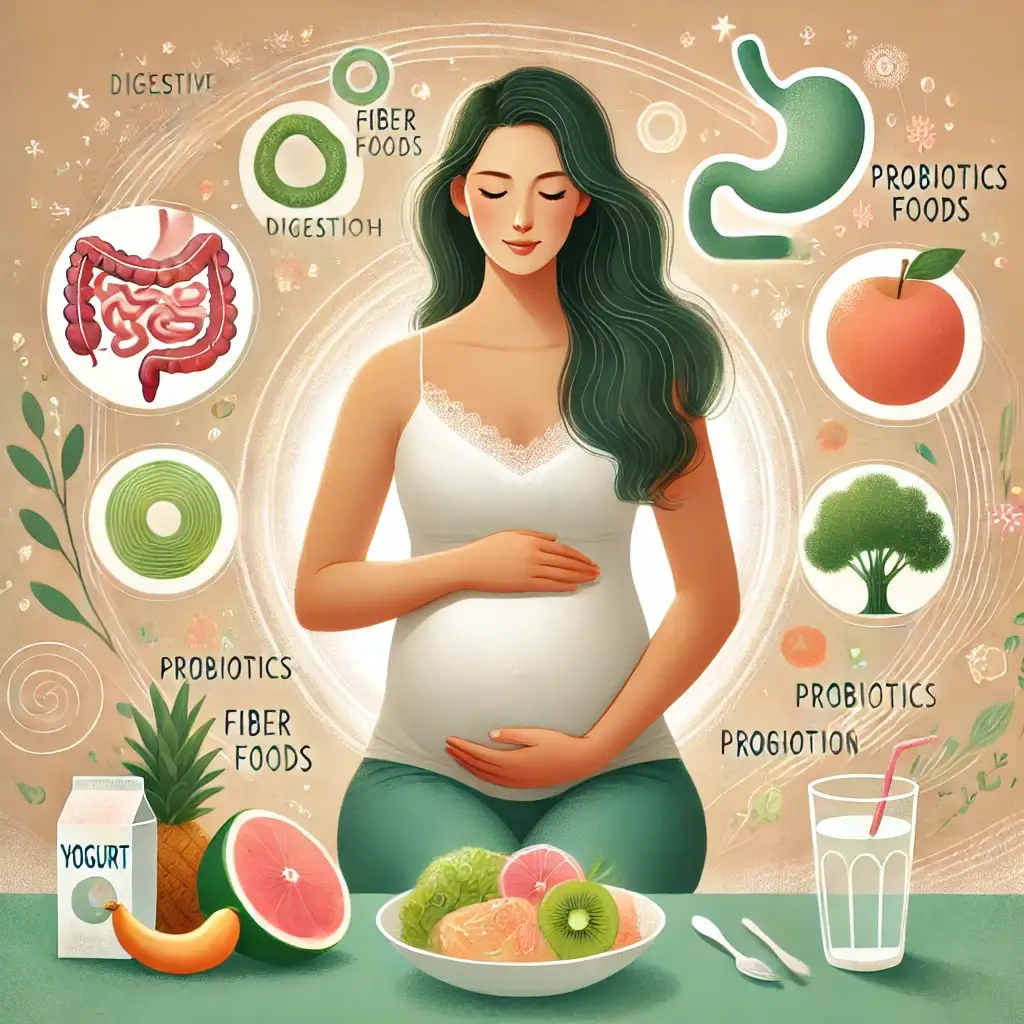
Moreover, dietary approaches, including probiotic and prebiotic supplementation, have been studied for their influence on the gut microbiota and vagal interactions. Research published in the [World Journal of Gastroenterology](https://www.wjgnet.com/1007-9327/index.htm) highlighted how probiotics like *Lactobacillus* and *Bifidobacterium* species enhance vagal-mediated anti-inflammatory pathways, showcasing the potential of gut-friendly bacteria in chronic illness management.
Conclusion
The exploration of vagally-mediated gut-brain dialogues represents a promising frontier in the pursuit of chronic illness recovery. By leveraging the body’s natural communication systems, we can enhance gut health and overall well-being. Continued research and integration of herbal treatments, lifestyle modifications, and mindfulness practices have the potential to reshape our approach to chronic illnesses, offering a future where healing is driven by a deeper understanding of the interconnectedness of body and mind. As we move forward, embracing this holistic perspective may unlock new doors for natural interventions, providing hope for countless individuals seeking lasting relief.
Concise Summary
Recent research into the gut-brain axis, with a focus on the vagus nerve, highlights new possibilities for addressing chronic illnesses through natural methods like herbs, probiotics, and lifestyle changes. This intricate communication network between the gut and brain plays a key role in regulating inflammation and gut health. By leveraging vagally-mediated pathways, these approaches promise more personalized interventions. With chronic illnesses on the rise, tapping into this natural gut-brain dialogue could revolutionize how we approach recovery, aligning with the body’s innate healing capabilities.