Unlocking the Gut-Disease Connection: How Epigenetics Could Transform Digestive Health
In recent years, the importance of gut health has surged to the forefront of medical research and public interest. Scientists and health enthusiasts alike have increasingly recognized the gut as a central organ influencing overall health, extending beyond its primary role in digestion. As we delve deeper into the mysteries of the gut, one groundbreaking revelation stands out: the influence of epigenetics on digestive health. This emerging field of study posits that our genes are not our destiny; rather, they can be turned on or off by various environmental and lifestyle factors, transforming the way we understand diseases connected to the gut.
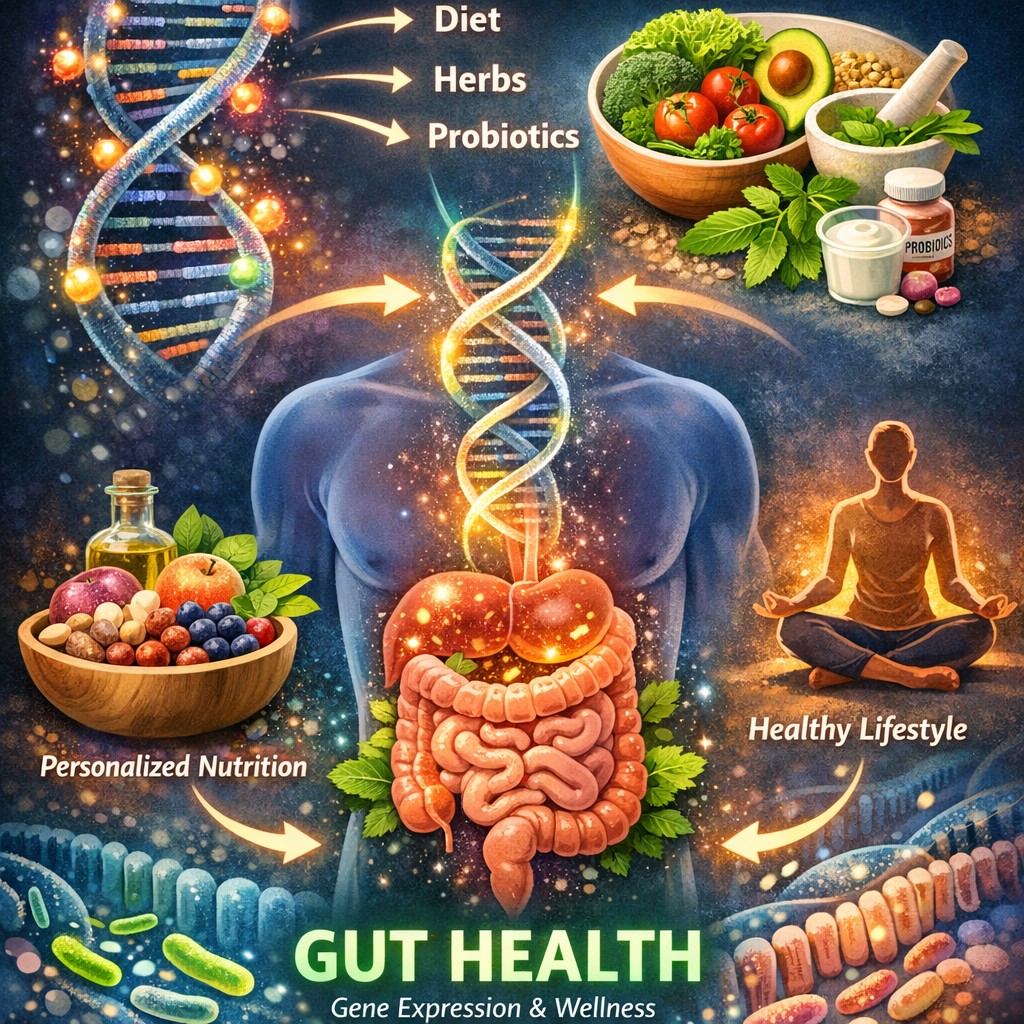
Epigenetics refers to modifications that affect gene expression without altering the DNA sequence itself. These changes can be triggered by a multitude of factors, including diet, stress, toxins, and even our gut microbiome. The connection between epigenetics and gut health is particularly compelling, as our gut hosts trillions of microbes that interact with our genetic material. This interaction can lead to changes in gene expression that may contribute to or protect against diseases. Understanding this intricate web of interactions can provide insights into conditions such as inflammatory bowel disease (IBD), irritable bowel syndrome (IBS), and even colorectal cancer.
Recent studies have begun to unravel the potential of dietary and herbal interventions to influence these epigenetic markers, offering hope for natural, non-invasive strategies to improve gut health. For instance, compounds found in turmeric, green tea, and cruciferous vegetables are being investigated for their ability to modulate gene expression in ways that benefit the gut. As we unlock the gut-disease connection through the lens of epigenetics, it becomes evident that personalized nutrition and lifestyle modifications could hold the key to cultivating optimal digestive health.
Features:
Numerous studies underscore the potential of epigenetics to revolutionize our approach to gut health. A pivotal study published in “Nature Reviews Gastroenterology & Hepatology” highlights how environmental factors, including diet and stress, can lead to epigenetic changes that directly impact gut flora and overall digestive function. These findings suggest that lifestyle modifications could be employed as therapeutic interventions for various gut-related conditions. [Nature Review](https://www.nature.com/articles/nrgastro.2016.107)
Research conducted at the Harvard T.H. Chan School of Public Health further explores the impact of dietary compounds on epigenetic markers. The study indicates that polyphenols, naturally occurring antioxidants found in foods like berries and green tea, can positively influence gene expression related to gut health. These compounds have been shown to enhance the integrity of the gut barrier, reduce inflammation, and promote a balanced microbiome—factors critical in preventing and managing digestive disorders. [Harvard Research](https://www.hsph.harvard.edu/nutritionsource/food-features/polyphenols/)
Another promising area of study involves the use of probiotics and prebiotics. The Journal of Nutritional Biochemistry reports that specific strains of probiotics can induce beneficial epigenetic modifications that support immune function and reduce the risk of gut-related diseases. This research illuminates the potential for targeted probiotic treatments to harness epigenetic pathways, fostering a harmonious gut environment and mitigating disease risk. [J Nutritional Biochem](https://www.journals.elsevier.com/journal-of-nutritional-biochemistry)
Additionally, research into herbal treatments such as curcumin (found in turmeric) and sulforaphane (found in broccoli) has demonstrated their ability to alter epigenetic regulation of genes involved in inflammation and oxidative stress. These findings, highlighted in the Proceedings of the National Academy of Sciences, suggest that incorporating such herbs into one’s diet could yield significant benefits for those struggling with gut inflammation and related disorders. [PNAS](https://www.pnas.org)
Conclusion:
The field of epigenetics offers a novel lens through which we can view and enhance digestive health. By understanding and harnessing the intricate relationships between our genes, environment, and gut microbiome, we pave the way for more personalized and effective treatments for gut-related ailments. Although still in its infancy, the research in epigenetics is burgeoning, promising to redefine how we approach gut health and disease prevention. By integrating dietary and herbal interventions, individuals have the potential to proactively influence their genetic expression, potentially transforming the landscape of digestive health naturally and holistically.
Concise Summary
The article explores how epigenetics can revolutionize our understanding of gut health, emphasizing that gene expression is influenced by environmental and lifestyle factors. This can affect conditions like IBD, IBS, and colorectal cancer. Current research reveals how dietary and herbal interventions, such as those found in turmeric, green tea, and polyphenols, may positively affect these genetic pathways. Studies also highlight the potential of probiotics to induce beneficial changes. Understanding these connections could lead to personalized nutrition plans and improved therapeutic strategies for gut health enhancement.