Gut Repair 3.0: Harnessing Artificial Intelligence to Decode Chronic Digestive Disorders
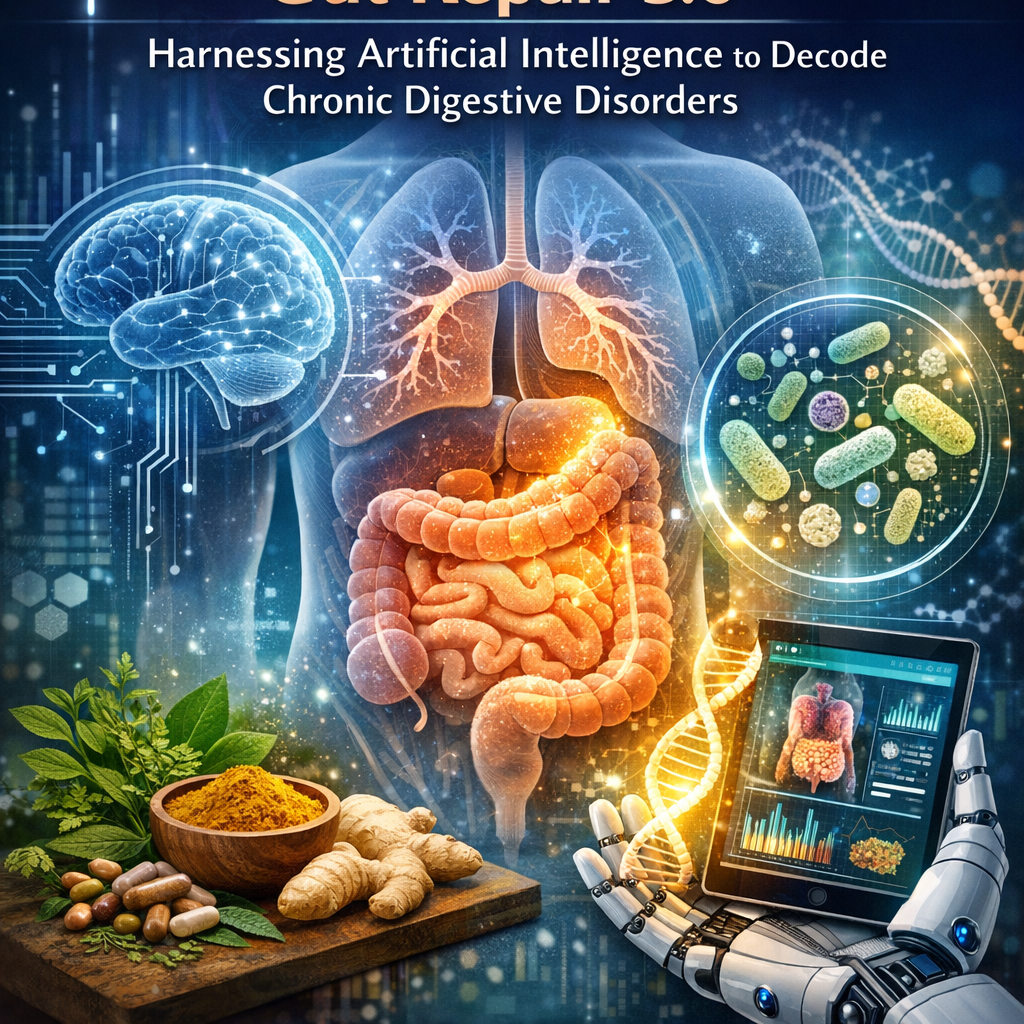
In recent years, the exploration of gut health has transitioned from a niche interest to mainstream science, largely owing to the rise in understanding of the gut microbiome’s pivotal role in overall well-being. Our gut is home to trillions of microorganisms that significantly affect our digestive system, immune health, mental wellness, and even the way we metabolize food. Yet, with the modern lifestyle characterized by processed foods and stress, chronic digestive disorders have become increasingly prevalent. While natural and herbal remedies have provided relief to many, the integration of cutting-edge technology, especially Artificial Intelligence (AI), is set to revolutionize how we diagnose and treat these issues.
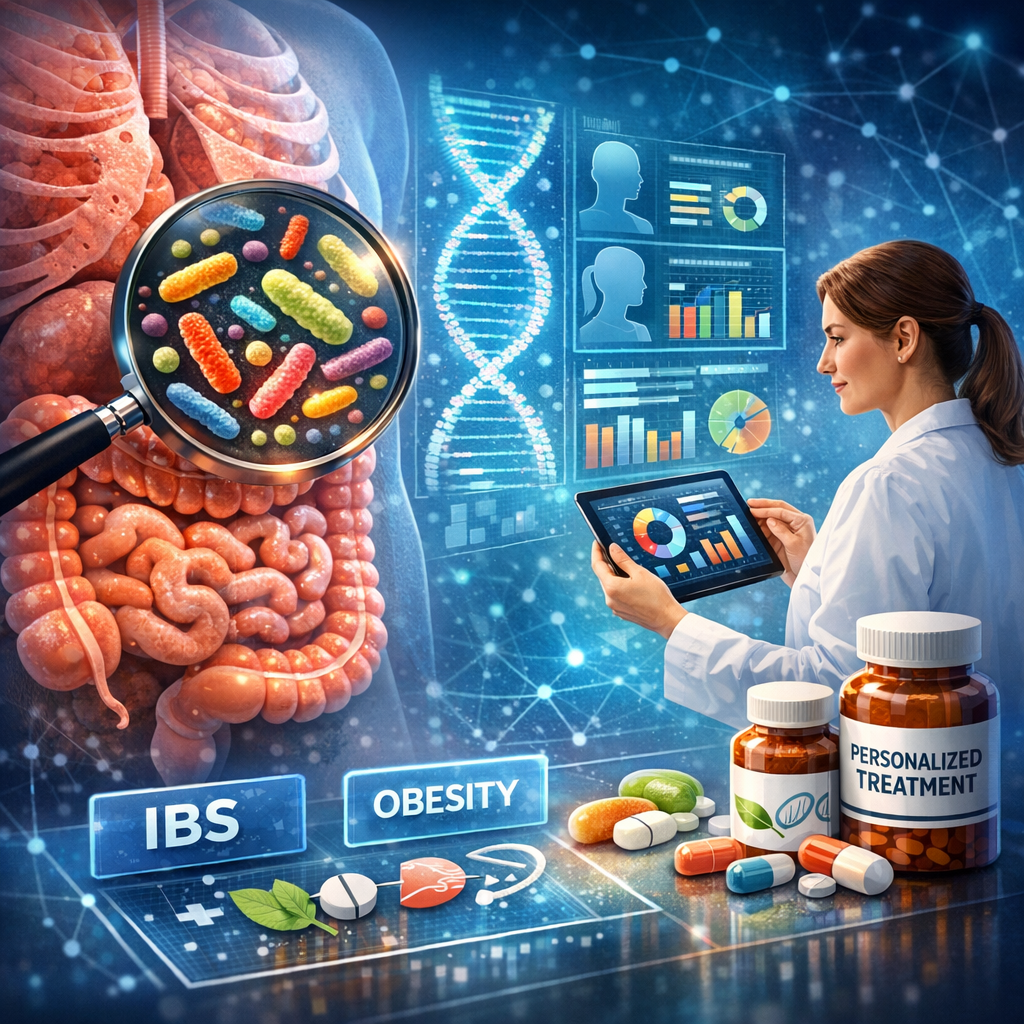
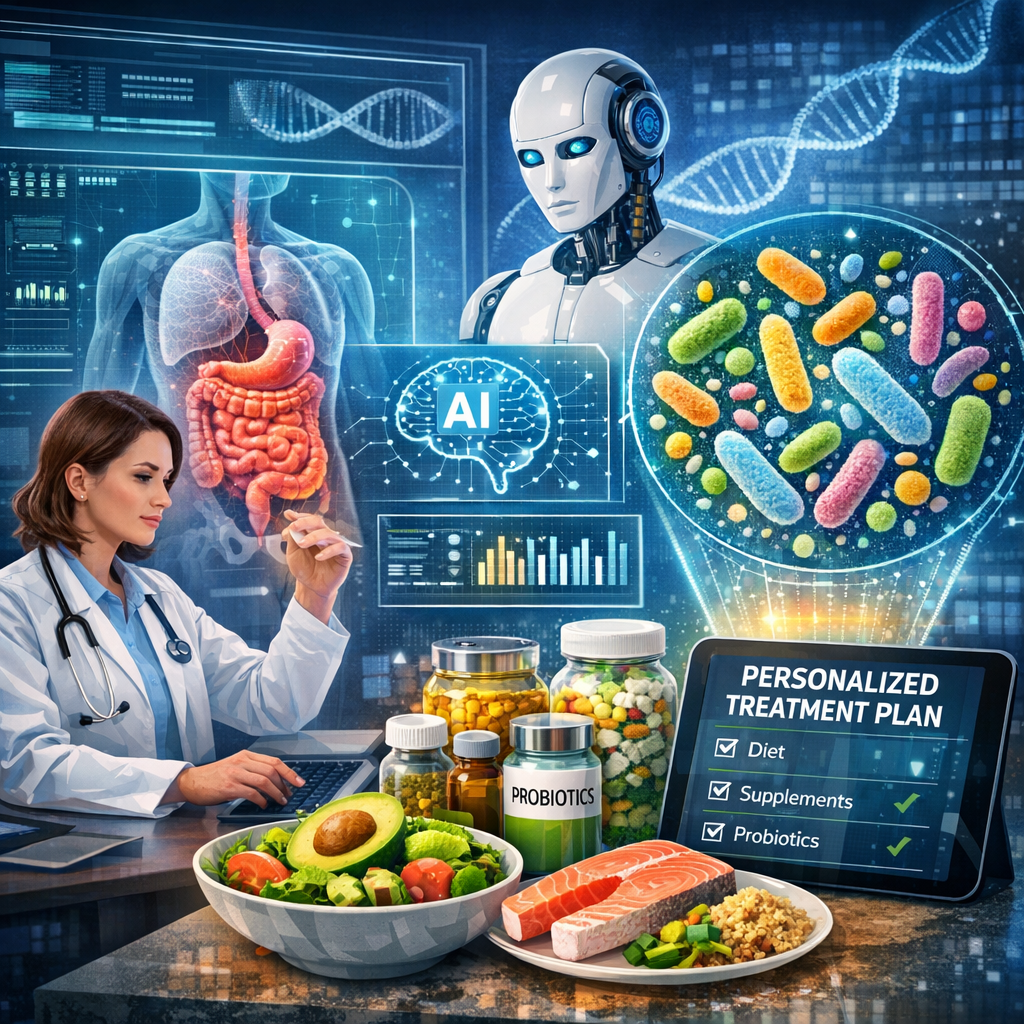
AI, a technology that mimics human intelligence, is proving invaluable in sectors ranging from healthcare to finance. When applied to gut health, AI has the potential to identify patterns and correlations in the rich data produced by studies on the microbiome and digestive health, which were previously too complex for manual interpretation. This AI-driven analysis can accelerate diagnostics, tailor individualized treatments, and ultimately transform the management of digestive disorders. Already, AI is being used to decode genetic information from gut bacteria, providing insights into their role in health and disease.
Furthermore, leveraging AI can lead to significant advancements in identifying the root causes of Chronic Digestive Disorders (CDDs) such as Irritable Bowel Syndrome (IBS), Crohn’s Disease, and Ulcerative Colitis. Traditionally, these conditions have been challenging to manage due to their multifactorial nature and varied symptoms. By analyzing vast amounts of medical records, dietary habits, genetic profiles, and lifestyle data, AI can pinpoint personalized risk factors and recommend precise interventions.
Moreover, AI’s ability to simulate different treatment scenarios allows researchers to predict outcomes and side effects with greater accuracy, supporting the development of effective, natural solutions, including the use of specific herbs and diet modifications. This new era of gut health optimization, Gut Repair 3.0, marks a significant leap forward in how we approach chronic digestive disorders, making natural remedies more personalized and effective than ever before.
Features
Professional and medical studies underscore the profound implications of AI in gut health research. A recent study published in *Nature Medicine* highlights the role of AI in predicting gut microbiome functionality from metagenomic data. Researchers utilized machine learning algorithms to identify patterns and associations that were previously undetectable. This study found that AI could predict how an individual’s microbiota might respond to dietary changes, allowing for more personalized nutrition advice that enhances gut health. [Read more](https://www.nature.com/articles/s41591-019-0368-1)
Another study conducted by the Mayo Clinic explored AI’s potential in diagnosing conditions such as Irritable Bowel Syndrome and Inflammatory Bowel Disease through advanced imaging analysis. The AI models demonstrated higher accuracy and speed in interpreting endoscopic images, which are critical for diagnosing these disorders. [Read more](https://www.mayoclinicproceedings.org/article/S0025-6196(19)30169-4/fulltext)
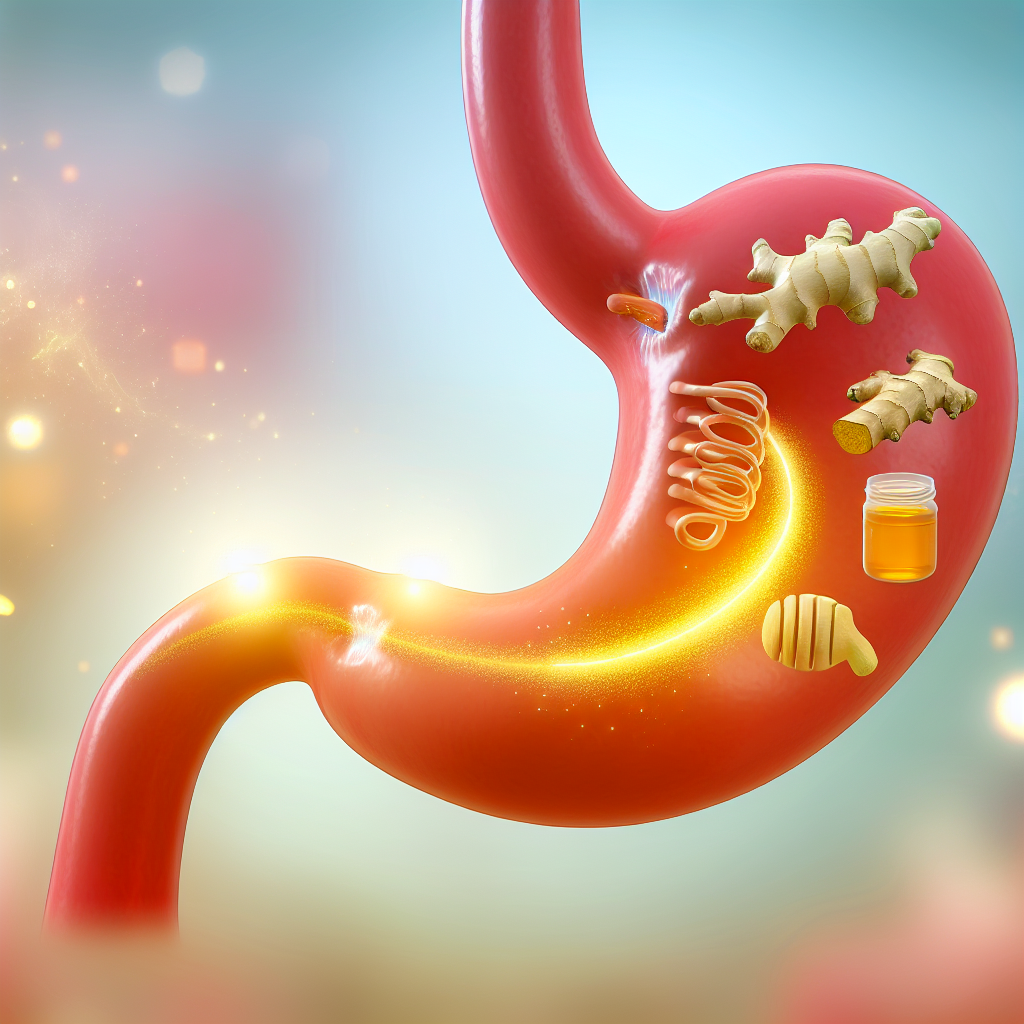
In addition, herbal treatments continue to benefit from AI’s capabilities. A study demonstrated how AI could identify potent anti-inflammatory compounds in traditional herbs used for centuries to manage gut disorders, like peppermint and ginger. The AI algorithm analyzed the chemical makeup and historical use data, spotlighting their efficacy in symptom relief and gut lining repair. Such findings provide encouraging evidence for the integration of herbal treatments in modern gut health paradigms.
These studies exemplify how AI’s analytical capabilities extend well into predicting and personalizing treatment strategies. The merging of AI with natural and herbal treatment aims to empower patients and healthcare providers with accurate, effective, and personalized insights for solving complex chronic digestive disorders. This approach not only enhances traditional methods but also opens new avenues for preventive care and enhanced quality of life.
Conclusion
As we stand on the cusp of a new era in gut health—Gut Repair 3.0—the integration of Artificial Intelligence offers a promising path forward. By providing unprecedented insights into the complex ecosystem of digestive health, AI allows us to decode chronic digestive disorders with precision and accuracy previously unattainable. This acceleration in knowledge highlights the importance of personalizing treatment approaches, particularly through natural and herbal remedies, which are now supported by sophisticated prediction models. Moving forward, the synergy between AI and age-old herbal wisdom will undoubtedly lead to healthier, more balanced lives for millions affected by chronic digestive disorders, demonstrating that technology and nature can, indeed, coexist harmoniously.
References
1. Nature Medicine. (2019). [AI-based prediction of gut microbiome functionality](https://www.nature.com/articles/s41591-019-0368-1).
2. Mayo Clinic Proceedings. (2019). [AI in diagnosing IBS and IBD](https://www.mayoclinicproceedings.org/article/S0025-6196(19)30169-4/fulltext).
Concise Summary
Gut Repair 3.0 highlights the merging of AI and gut health research, offering insights into chronic digestive disorders. Utilizing AI, researchers can decode intricate patterns in gut microbiomes, accelerating diagnostics and personalizing treatments. This approach helps tackle longstanding conditions like IBS and Crohn’s Disease by analyzing diverse datasets for personalized interventions. Recent studies demonstrate AI’s efficacy in predicting microbiota responses and identifying effective herbal treatments. As AI transforms treatment paradigms, it enables a harmonious blend of technology and nature, enhancing the quality of life for individuals with chronic digestive issues.