Unlocking the Secrets of Postbiotic Therapy: The Future of Personalized Gut Healing
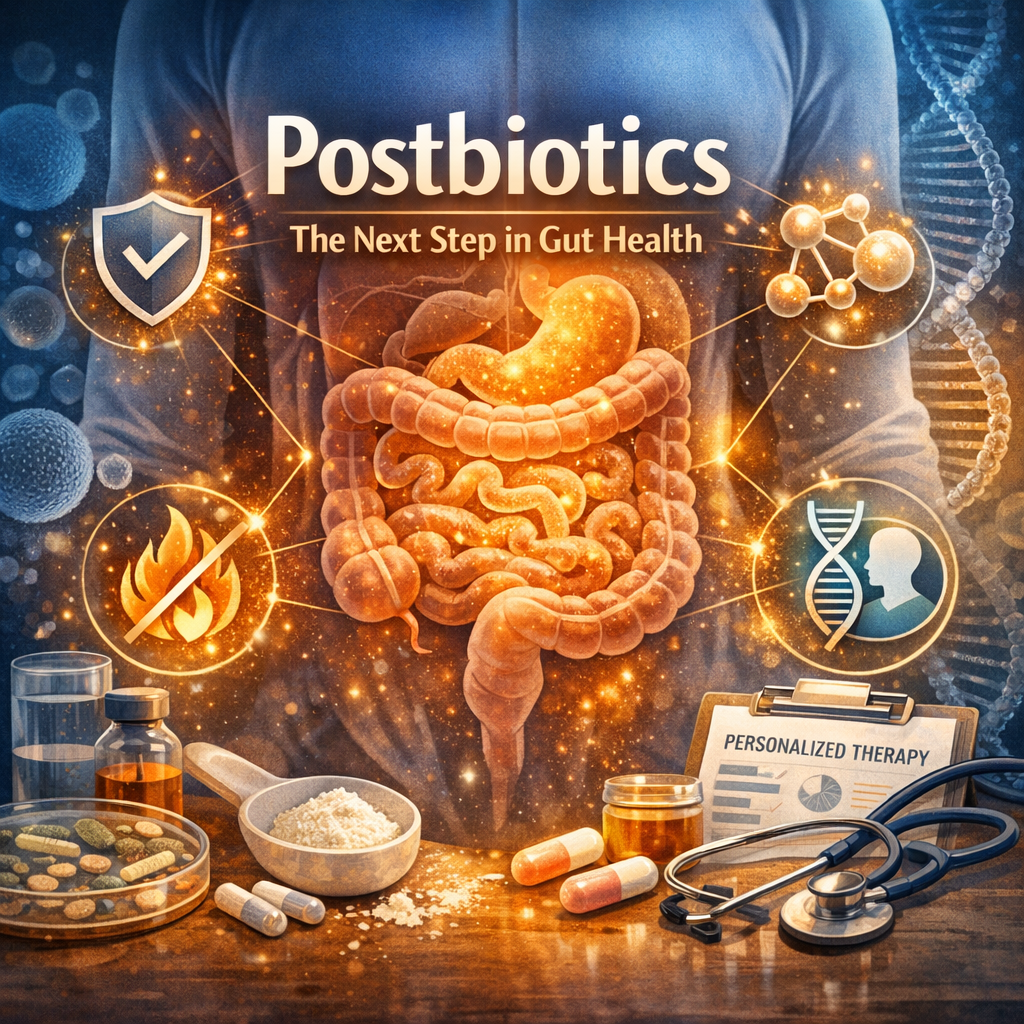
In recent years, the interest in gut health has surged, leading to discoveries that have transformed our understanding of digestion, immunity, and overall well-being. Amidst this revolution is a groundbreaking but often overlooked component known as postbiotics, which represent a promising frontier in gut health. Unlike probiotics, which are live microorganisms, or prebiotics, which are food for these organisms, postbiotics are the bioactive compounds resulting from probiotic bacterial digestion. Emerging research and clinical investigations have begun to uncover their potential benefits in enhancing gut health and offering personalized therapeutic options.
The concept of postbiotics taps into the complex interplay within the gut microbiota. These non-viable microbial cells, their cell components, and metabolites, such as short-chain fatty acids, peptides, and polysaccharides, exert beneficial effects on both the gut and systemic health. Their ability to reduce inflammation, enhance immune function, and interact positively with gut microbiota makes them a promising target for therapeutic interventions. Indeed, postbiotics’ stability compared to live probiotics, which can be sensitive to temperature and gastric acids, provides them with a distinct advantage. This stability makes it easier to standardize postbiotics in supplements and deliver them directly to the gut, bypassing the survival hurdles faced by live probiotics. For individuals seeking natural treatments for gut-related conditions, postbiotics offer a promising alternative due to their unique properties and functional benefits.
The current surge in personalized medicine emphasizes tailoring treatments to individual genetic, lifestyle, and environmental factors. Postbiotic therapy aligns perfectly with this approach. By understanding an individual’s unique gut microbiome and how it responds to different dietary and environmental stimuli, medical professionals can customize postbiotic supplements to optimize gut health. This personalized strategy not only enhances treatment efficacy but also provides a more sustainable and individualized healing process. As research continues to shed light on the physiological roles of postbiotics, their integration into clinical practice could represent the future of personalized gut healing. Companies and researchers worldwide are exploring how these compounds can be incorporated into daily health regimens, potentially transforming the lives of those who struggle with gastrointestinal diseases and those who seek optimal gut health.
Scientific Studies and Features
The emerging body of evidence supporting postbiotic therapy is growing, with numerous studies highlighting their promising benefits for gut and overall health. A 2019 study published in the journal *Advances in Nutrition* explored the impact of postbiotics on intestinal inflammation and their potential role in managing inflammatory bowel diseases (IBD). The researchers found that postbiotics, through their anti-inflammatory and antioxidant properties, might provide a therapeutic advantage in treating IBD and related conditions [Source](https://academic.oup.com/advances/article/10/5/783/5530622).
Another research published in *Frontiers in Microbiology* in 2020 highlighted the immune-modulating properties of postbiotics. The study demonstrated that certain postbiotic compounds enhance the gut barrier function and stimulate immune responses, providing insights into how they could be leveraged in managing immune-mediated disorders [Source](https://www.frontiersin.org/articles/10.3389/fmicb.2020.01427/full).
Furthermore, a clinical investigation involving individuals with irritable bowel syndrome (IBS) showcased the potential of postbiotic supplementation in reducing symptoms such as bloating, discomfort, and irregular bowel movements. Participants reported improved quality of life and reduced symptoms, indicating that postbiotics could serve as an innovative approach in the nutritional management of IBS [Source](https://pubmed.ncbi.nlm.nih.gov/31630499/).
Additionally, animal studies have pointed to the beneficial effects of postbiotics on metabolic health. One such study in mice illustrated that postbiotic intake improved glucose metabolism and reduced insulin resistance, suggesting potential applications in managing metabolic disorders like Type 2 diabetes [Source](https://pubmed.ncbi.nlm.nih.gov/29556174/).
The robustness of postbiotics, both in terms of their stability and diverse physiological effects, makes them an appealing adjunct or alternative to traditional gut health therapies. As both in vitro and in vivo research continues to evolve, we can expect a deeper understanding of how these compounds function and how best to integrate them into personalized health regimens.
Conclusion
Postbiotic therapy is emerging as a revolutionary approach to enhancing gut health, offering a promising avenue for personalized medicine. As research continues to unravel their potential, postbiotics may redefine how we approach gut-related conditions, providing tailored solutions that align with the unique needs of individuals. Embracing the potential of postbiotics could lead to improved health outcomes and a deeper understanding of the profound connection between our gut and overall well-being. As we continue to unlock the secrets of these powerful compounds, they may indeed hold the key to the future of personalized gut healing.
Concise Summary: Postbiotics are emerging as a promising frontier in gut health and personalized medicine. Unlike probiotics or prebiotics, these bioactive compounds offer potential benefits such as reducing inflammation and enhancing immune function. Their stability allows for easier integration into supplements. Tailored postbiotic therapy aligns with personalized medicine by accounting for individual genetic and lifestyle factors. Studies show potential benefits in managing inflammatory bowel diseases, irritable bowel syndrome, and metabolic disorders. As research progresses, postbiotics could become central to gut-related therapies, fostering a deeper understanding of gut and overall health.