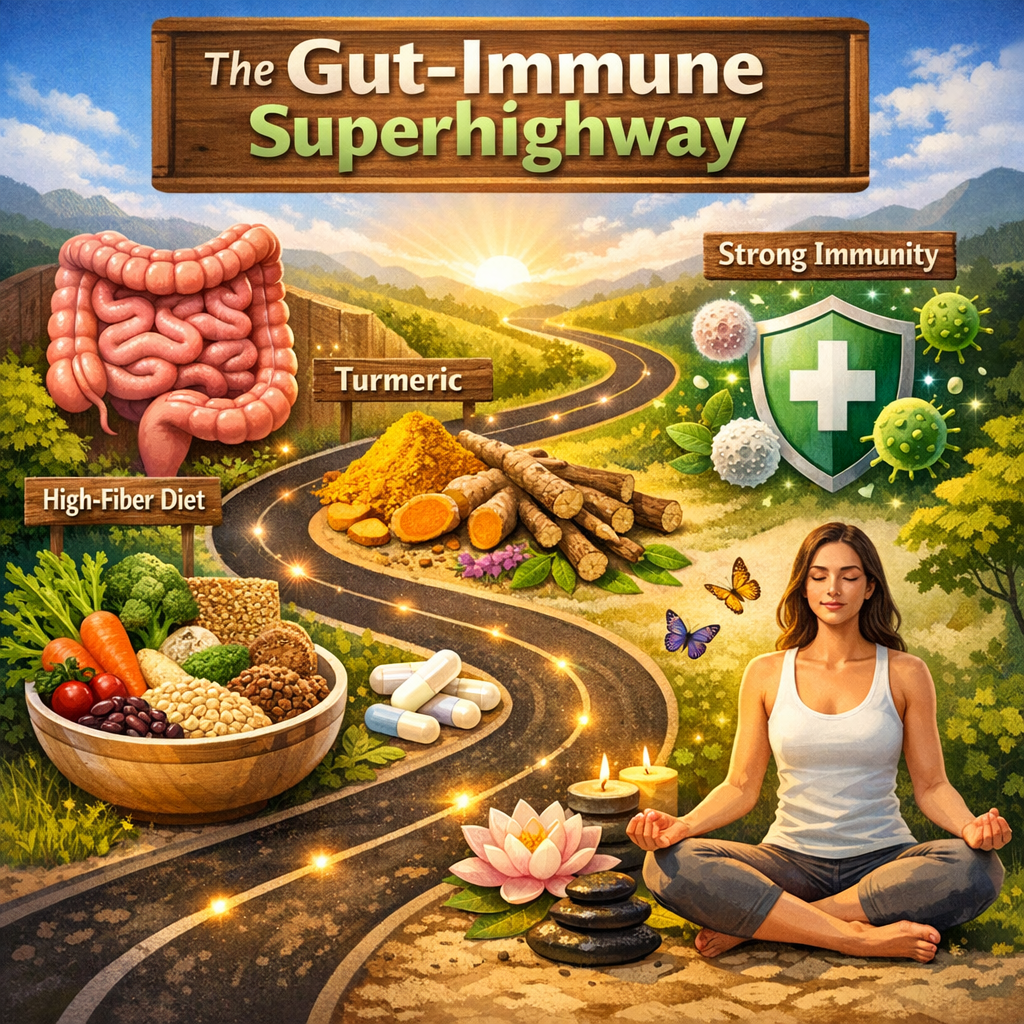
Unlocking the Gut-Immune Superhighway: Beyond Probiotics for Cellular Defense
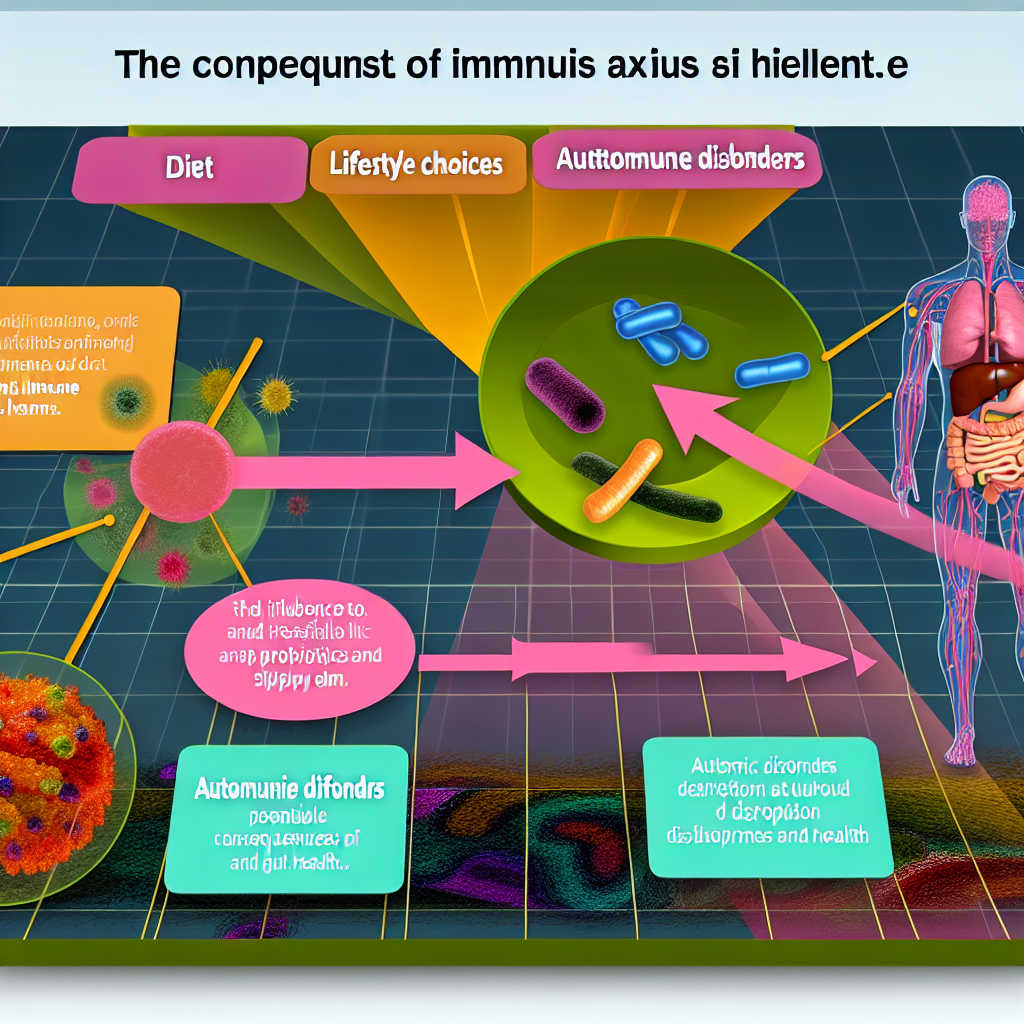
In the realm of holistic health, the intimate relationship between the gut and the immune system is increasingly becoming a focal point for researchers and health enthusiasts alike. Often dubbed the “gut-immune superhighway,” this complex interplay is essential to understanding not only digestive health but also our body’s overall immune response. While probiotics have long been hailed as the heroes of gut health, there is a growing interest in exploring beyond these beneficial bacteria. This interest is driven by the desire to unlock more extensive benefits for cellular defense and resilience against illness.
Our gut isn’t simply a processing plant for nutrients; it’s a dynamic world rich with trillions of microorganisms, also known as the gut microbiota. This ecosystem plays a pivotal role in maintaining bodily functions, including the modulation of immune responses. Notably, the gut-associated lymphoid tissue (GALT) makes up a significant portion of the immune system and acts as the primary interface between the immune system and gut microbiota. GALT is tasked with distinguishing between harmless and harmful agents, a crucial capability for maintaining health.
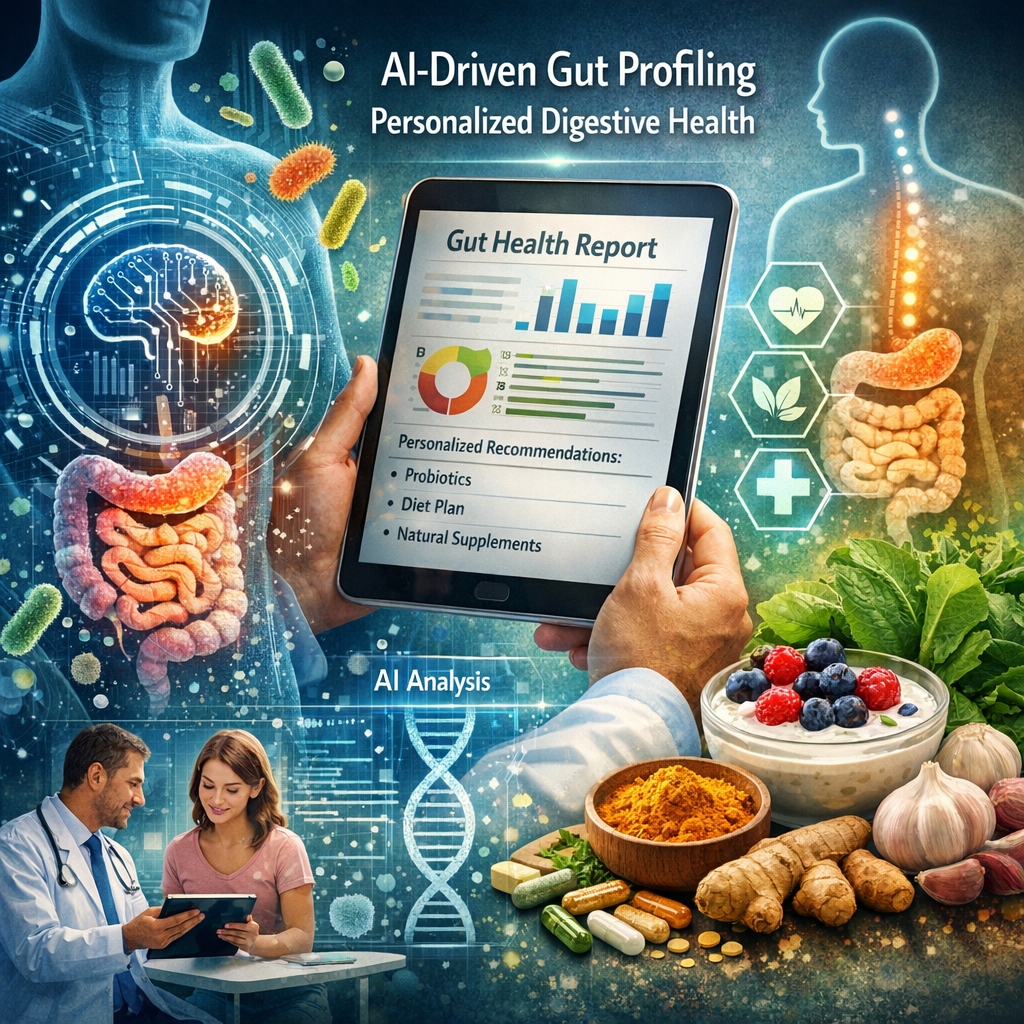
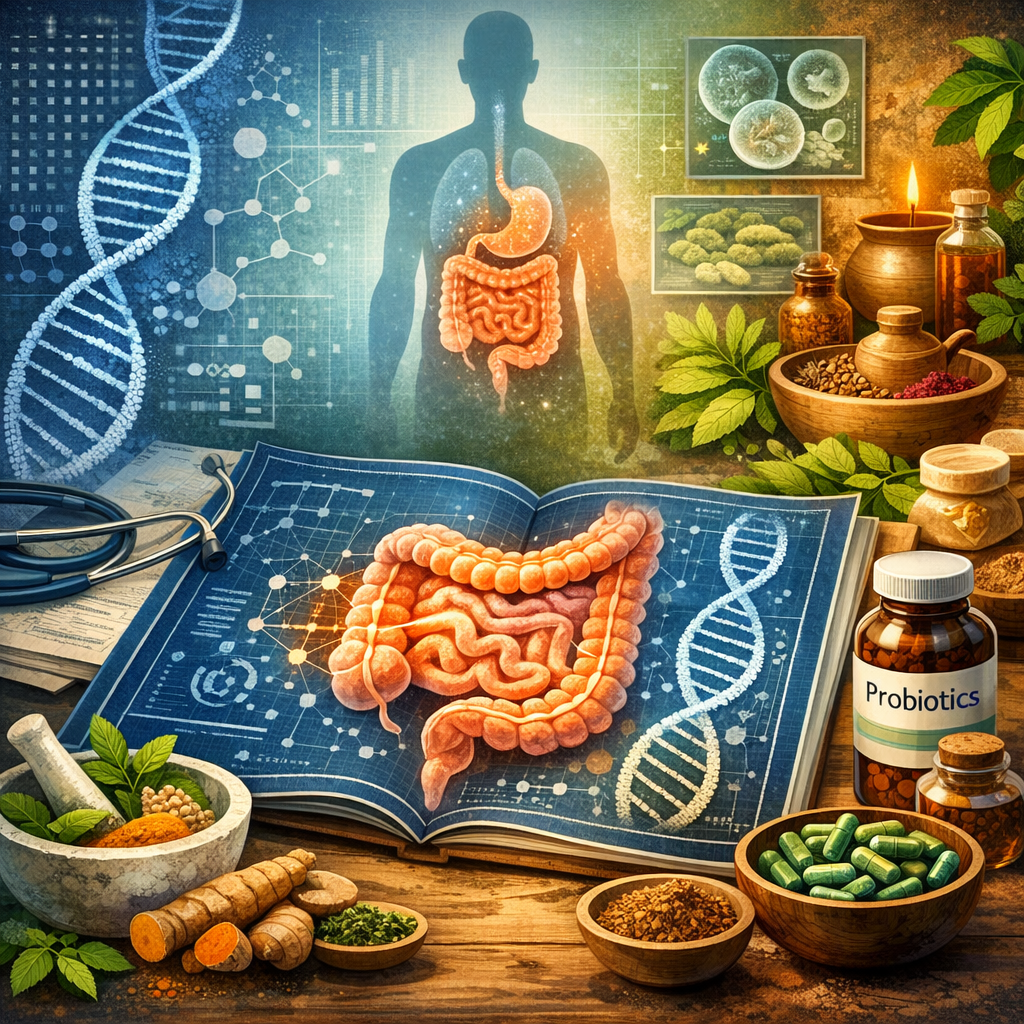
The connection between gut health and the immune system offers an intriguing perspective for natural and herbal interventions. Beyond the standard use of probiotics, several botanicals and dietary practices are gaining attention for their potential role in enhancing this gut-immune dialogue. For instance, herbal remedies such as Turmeric, Aloe Vera, and Licorice Root are increasingly being studied for their role in supporting gut integrity and modulating immune responses. These herbs, rich in phytochemicals and anti-inflammatory agents, may provide a naturally robust means to fortify gut health and, by extension, cellular defenses.
Further enriching this discussion are lifestyle modifications that tap into both gut and immune health. For instance, the adoption of a high-fiber diet promotes the production of short-chain fatty acids that enhance immune functionality. Incorporating mindfulness practices as a form of stress reduction is also pivotal, as elevated stress levels can disrupt the gut-brain interaction, which in turn affects immune efficiency. Moreover, intermittent fasting is notable for fostering an environment where gut microbiota can thrive, thus influencing immune health.
Furthermore, emerging research suggests that practices like maintaining a high-fiber diet, reducing stress through mindfulness, and embracing intermittent fasting can further amplify the gut’s ability to educate and bolster the immune system. These holistic approaches create an environment in which the gut microbiota can flourish, subsequently enhancing the body’s immunity. As we unravel the complexities of this superhighway, it becomes evident that our quest for optimal health should include a variety of natural interventions that extend beyond traditional probiotic strategies.
Features of Gut-Immune Interaction: Recent Findings and Herbal Interventions
The conventional wisdom of using probiotics for gut health has been supported by countless studies. However, recent advancements have shifted the spotlight to other natural interventions with promising outcomes. One significant study published in “Nature Reviews Gastroenterology & Hepatology” highlighted the crucial role of short-chain fatty acids (SCFAs), produced by gut bacteria during the fermentation of dietary fibers, in reinforcing GALT functions and improving immune responses.
In addition to SCFAs, polyphenols found in plants such as green tea and cocoa have shown potential in modulating gut microbiota composition and function. A study in the “Journal of Nutritional Biochemistry” revealed that polyphenols exert prebiotic-like effects, promoting the growth of beneficial bacteria and thereby strengthening the gut’s barrier function.
When it comes to herbal interventions, Turmeric stands out due to its main active compound, Curcumin. Known for its anti-inflammatory properties, Curcumin has been shown to reduce gut inflammation and promote the growth of beneficial gut bacteria. According to a study published in “Frontiers in Microbiology”, Curcumin’s potential to modulate gut microbiota could help enhance both local and systemic immune responses.
Licorice Root, traditionally used in various cultural medicines, also merits attention. A study published in “Phytotherapy Research” detailed Licorice’s role in reducing inflammation and protecting mucosal layers within the gut, which can support immune function by maintaining the integrity of the gut lining.
Lifestyle interventions such as stress reduction through practices like yoga have shown to impact gut health positively. Stress is known to exacerbate gut-brain axis dysregulation, potentially leading to compromised immunity. The active reduction of stress through such practices can fortify the gut’s role in immune modulation, as highlighted by research in “Psychosomatic Medicine”.
Conclusion
In our pursuit of optimal gut and immune health, it’s clear that the solutions extend far beyond the realms of probiotics. By embracing a holistic approach that includes dietary choices rich in fibers and polyphenols, stress-reduction techniques, and strategic use of botanicals, we can significantly enhance the symbiotic relationship between our gut and immune systems. This integrative perspective not only unlocks the potential of the gut-immune superhighway to bolster our cellular defenses but also encourages a more sustainable, natural path to health and wellbeing. As new research continues to illuminate these connections, individuals can increasingly tailor their wellness strategies to harness the full power of the gut-immune axis.
Concise Summary
The relationship between the gut and immune system, termed the “gut-immune superhighway,” is crucial for overall health. While probiotics remain popular, interest is growing in herbal and natural interventions to enhance this connection. Herbal remedies like Turmeric and Licorice Root show promise, alongside dietary fiber and polyphenols, which support gut and immune function. Lifestyle strategies such as stress reduction and fasting also fortify immune defenses. This holistic approach expands beyond probiotics, aiming for a sustainable path to health by leveraging the gut-immune axis.

Dominic E. is a passionate filmmaker navigating the exciting intersection of art and science. By day, he delves into the complexities of the human body as a full-time medical writer, meticulously translating intricate medical concepts into accessible and engaging narratives. By night, he explores the boundless realm of cinematic storytelling, crafting narratives that evoke emotion and challenge perspectives.
Film Student and Full-time Medical Writer for ContentVendor.com