The Gut Control System: Unveiling the Hidden Power Couples in Gut-Immune Communication
The human body is an intricate ecosystem, with various systems interplaying in harmony to maintain optimal health. Among these, the gut-immune axis stands out as a pivotal hub of communication and control. Often referred to as the gut control system, this complex network oversees not only digestive health but also plays a crucial role in immune regulation. The idea of gut-immune communication isn’t new; however, recent scientific revelations have unveiled hidden ”power couples” within this system—dynamic duos of microbes and biomolecules that drive gut health and bolster the immune response.
The gut consists of trillions of microorganisms—collectively known as the gut microbiota—working in tandem with the immune system to protect against pathogens and maintain homeostasis. This partnership is akin to a well-choreographed dance, where balance is key. Disruptions in this balance have been linked to numerous health issues, ranging from inflammatory bowel diseases and allergies to autoimmune disorders and even mental health challenges.
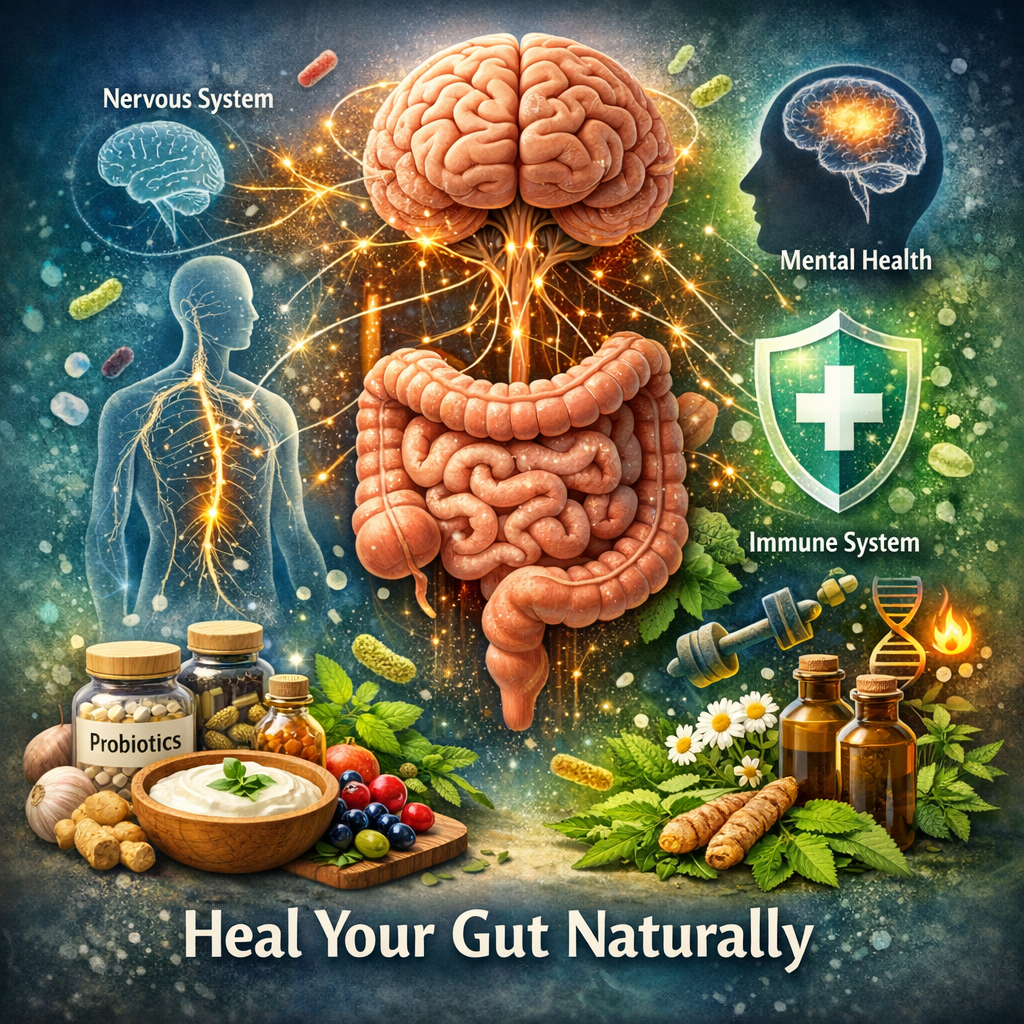
Natural remedies and herbal treatments are gaining popularity as effective means to enhance gut health and, consequently, immune function. By leveraging these natural interventions, individuals can potentially restore equilibrium within their gut control system. For instance, the introduction of probiotics and prebiotics into one’s diet can facilitate a harmonious microbial environment. Probiotics, such as those found in fermented foods, introduce beneficial bacteria directly into the gut. Meanwhile, prebiotics like fiber-rich fruits and vegetables provide sustenance for these beneficial microbes, encouraging their growth and activity.
Moreover, specific herbs have been identified for their gut-healing properties and ability to promote immune resilience. Ginger, for example, is renowned for its anti-inflammatory and antibacterial properties, offering relief from digestive discomforts while also strengthening the immune system. Similarly, turmeric, with its active compound curcumin, exhibits potent anti-inflammatory effects that can aid in restoring gut integrity and function.
Scientific Insights into Gut-Immune Power Couples
Scientific research has brought to light the fascinating relationship between the gut microbiome and the immune system. Studies have demonstrated that certain microbial species within the gut can significantly influence immune responses, forming powerful alliances that promote health.
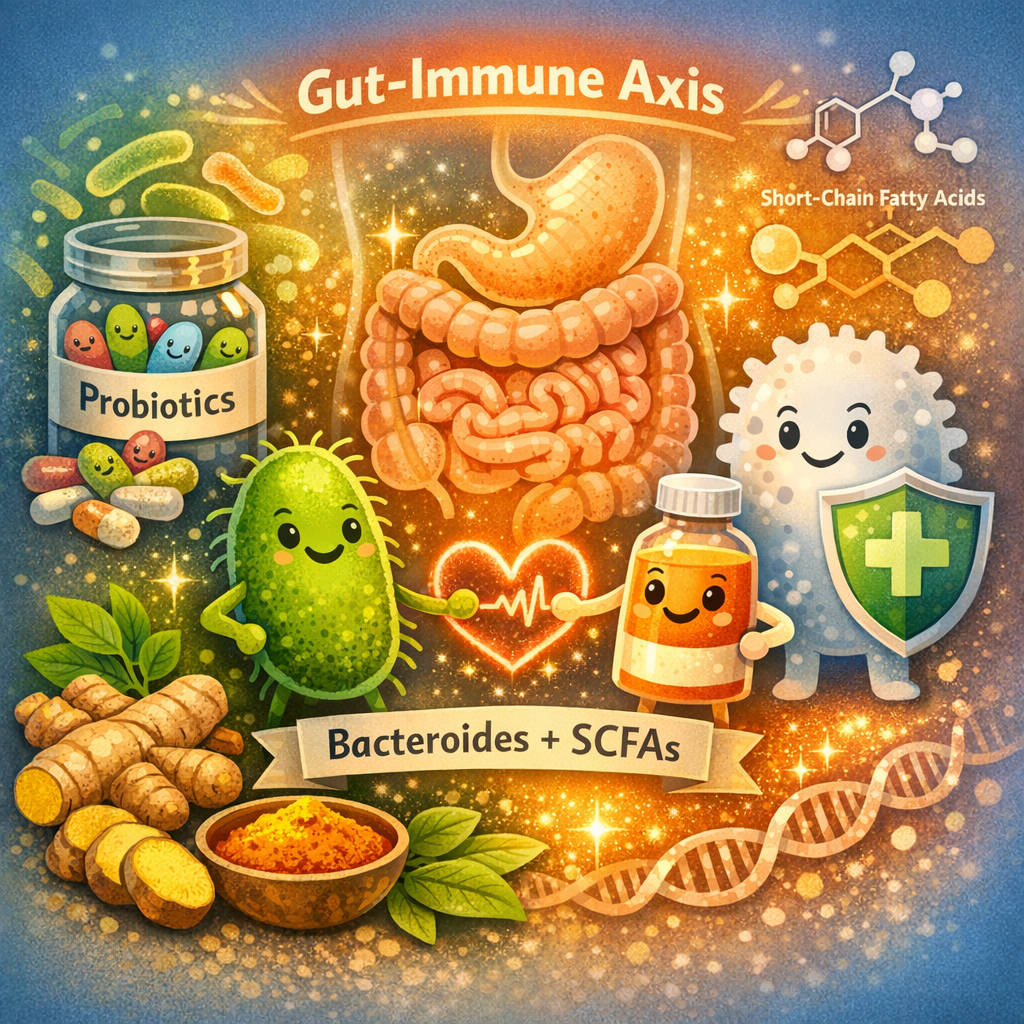
A landmark study published in [Nature Reviews Immunology](https://www.nature.com/articles/nri3855) highlights the role of Bacteroides species, which are commensal bacteria that enhance the production of immune-regulating molecules called short-chain fatty acids (SCFAs). SCFAs, including butyrate, propionate, and acetate, have been shown to exert anti-inflammatory effects and reinforce the gut barrier. This symbiotic relationship between Bacteroides and SCFAs exemplifies a power couple that supports both gut health and immune function.
In another study featured in [Cell](https://www.cell.com/action/showPdf?pii=S0092-8674%2817%2930048-1), researchers identified the synergy between immune cells and certain strains of Lactobacillus. These probiotics were found to enhance the production of regulatory T-cells, which play a crucial role in preventing autoimmunity and excessive inflammatory responses. This finding underscores the importance of incorporating probiotic strains into the diet to maintain immune balance.
Furthermore, a comprehensive review in [Frontiers in Immunology](https://www.frontiersin.org/articles/10.3389/fimmu.2020.01236/full) discussed the interaction between gut-derived microbial metabolites and the immune system. It was observed that metabolites like tryptophan derivatives influence immune cell behavior and contribute to mucosal immunity. This interaction demonstrates the sophisticated communication occurring within the gut-immune axis.
These studies underscore the potential of harnessing the gut microbiota’s interactions with the immune system to develop novel therapeutic strategies. By targeting these power couples with natural interventions, such as tailored probiotics and dietary modifications, individuals can take proactive steps towards achieving better gut health and a more robust immune system.
Conclusion
The gut-immune axis is a testament to the body’s innate interconnectedness, where synergy between microbial, dietary, and immunological factors dictates overall health. By understanding and nurturing the “hidden power couples” within this control system, individuals can unlock significant health benefits. Embracing natural solutions like probiotics, prebiotics, and specific herbs offers a promising path forward in enhancing gut-immune communication. As science continues to delve into the mysteries of the gut microbiome, these discoveries pave the way for innovative, holistic approaches to well-being.
Concise Summary
The gut-immune axis reflects the interplay between the gut microbiota and immune system, driving both gut health and immune response. Recent studies point to dynamic pairs, or “power couples,” such as Bacteroides and SCFAs, and Lactobacillus strains and regulatory T-cells that promote health. Natural interventions like probiotics, prebiotics, and herbs can restore balance, enhance immune function, and support overall health, paving the way for innovative holistic approaches to well-being.