The Future of Gut Health: How AI and Machine Learning are Revolutionizing Personalized Microbiome Treatments
Introduction
The gut microbiome has emerged as a pivotal component of human health, influencing everything from digestion and metabolism to immunity and even mood regulation. It consists of a delicate balance of trillions of microorganisms inhabiting our intestines, working in symbiosis with our bodies to maintain well-being. Disturbances in this balance can lead to a plethora of health issues, such as irritable bowel syndrome (IBS), inflammatory bowel diseases (IBD) like Crohn’s and ulcerative colitis, obesity, diabetes, and even mental health disorders.
Traditionally, addressing gut health has involved generalized dietary changes or probiotics, treatments that often employ a one-size-fits-all approach, ignoring the unique microbiome signature each person carries. However, with the advent of AI and machine learning, we are on the cusp of a paradigm shift. These technologies usher in the potential for personalized microbiome treatments, honing in on individual needs and fostering a new era of targeted therapeutic regimens. AI algorithms are adept at sifting through vast datasets, identifying patterns and predictions that would elude human analysts.
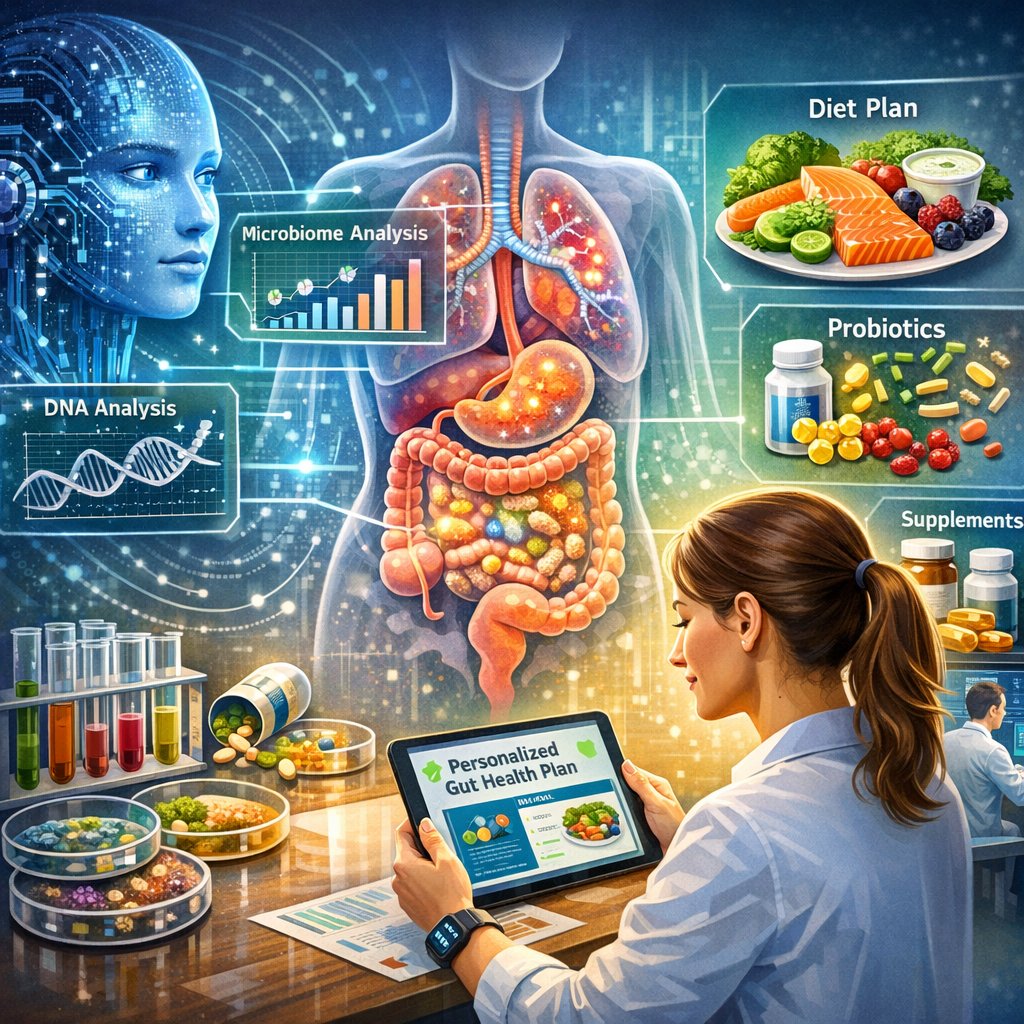
Machine learning models are particularly invaluable in deciphering the complexities of the microbiome, enabling personalized health solutions by predicting individual responses to specific foods, supplements, or lifestyle adjustments. For instance, researchers can feed data from microbiome sequencing into AI systems, learning how gut bacteria portfolios correlate with particular health conditions. From this, tailor-made treatments emerge, promising greater efficacy than generic solutions.
Such advancements are not merely theoretical. Already, several biotech firms are developing AI-driven platforms that translate microbiome data into actionable health advice. By examining an individual’s gut composition and integrating this with a comprehensive health database, personalized dietary recommendations and natural treatments are on the horizon. This burgeoning synergy between AI and gut health represents a frontier with the potential to reduce healthcare costs and improve lives by preemptively addressing issues before they manifest as significant health problems.
Features
Recent studies have increasingly highlighted the potential of AI and machine learning in revolutionizing gut health management. According to a study published in the journal [Nature Biotechnology](https://www.nature.com/articles/nbt.4356), AI algorithms have been instrumental in characterizing the gut microbiome’s influence on glucose regulation, offering insights into how personalized nutrition can manage diabetes. By integrating individual gut microbial compositions with AI-driven models, the research has demonstrated improved predictive accuracy for personalized glycemic responses, showcasing the vast potential of AI in delivering bespoke dietary advice.
Similarly, a promising AI application was observed in a study aimed at treating irritable bowel syndrome using personalized probiotics. Researchers leveraged machine learning to identify specific bacterial strains beneficial for alleviating IBS symptoms. The outcome, published in [Gastroenterology](https://www.gastrojournal.org/article/S0016-5085(17)36161-3/fulltext), indicated that participants receiving personalized probiotic treatments experienced a more significant symptom relief compared to those on generic probiotic supplements.
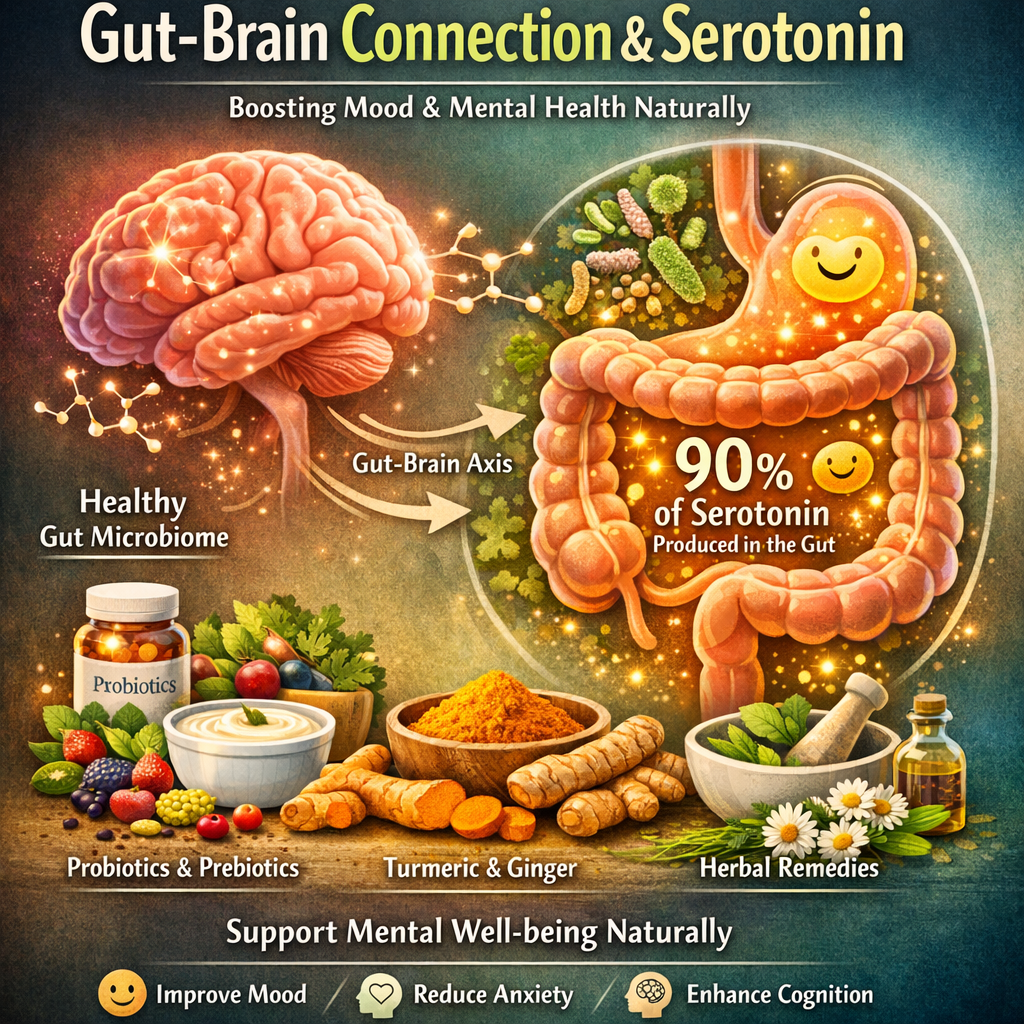
Moreover, another study published in the [IEEE Journal of Biomedical and Health Informatics](https://ieeexplore.ieee.org/document/8443317) explored an AI-driven gut-brain communication model. This research investigated how gut microbiota influences brain function and mental health, offering predictions on how microbiome interventions can mitigate conditions like anxiety and depression. Such insights pave the way for AI to craft dietary and supplement programs that foster not only gut health but also enhance psychological well-being.
Beyond specific studies, companies like [Viome](https://www.viome.com) and [Seed Health](https://seed.com) are pioneering microbiome analytics platforms. Viome’s AI leverages genomic and microbiome insights, providing personalized dietary and supplement recommendations to optimize gut health. Similarly, Seed Health utilizes machine learning to develop next-generation probiotics tailored to augment human health.
Conclusion
In the evolving landscape of gut health, AI and machine learning herald a new era of personalized microbiome treatments. These technological advances promise more effective, bespoke therapies, moving away from generic solutions that have long dominated the field. By enabling a tailored approach rooted in comprehensive data analysis, individuals are more likely to achieve optimal gut health and overall well-being. As AI continues to evolve, its integration into healthcare could redefine treatment paradigms, offering strategies that are as unique as the microbiomes they aim to balance. With ongoing research and technological progress, the prospect of conquering digestive ailments through personalized, scientifically grounded regimens is on the horizon, bringing hope and innovation to patients worldwide.
Concise Summary:
AI and machine learning are transforming the field of gut health by enabling personalized microbiome treatments. These technologies analyze vast datasets to deliver individual health solutions for issues like diabetes, IBS, and mental health disorders. Recent studies demonstrate AI’s effectiveness in glucose regulation and probiotic treatment personalization. Companies such as Viome and Seed Health are at the forefront of developing platforms that offer tailored dietary and supplement recommendations. This shift promises more effective therapies, improved well-being, and reduced healthcare costs, paving the way for customized gut health management.