Revolutionizing Gut Health: Unraveling the Future of Personalized Biohacking with AI-Driven Protocols
In recent years, our understanding of gut health has evolved dramatically, embracing a future driven by technology, artificial intelligence (AI), and the scientifically tailored design of personalized protocols. Maintaining a healthy gut is crucial as it influences digestion, immunity, mental health, and overall well-being. As individuals explore natural remedies and herbal treatments for gut health, the convergence of biohacking and AI-driven systems is set to revolutionize the approach to optimal digestive health and function.
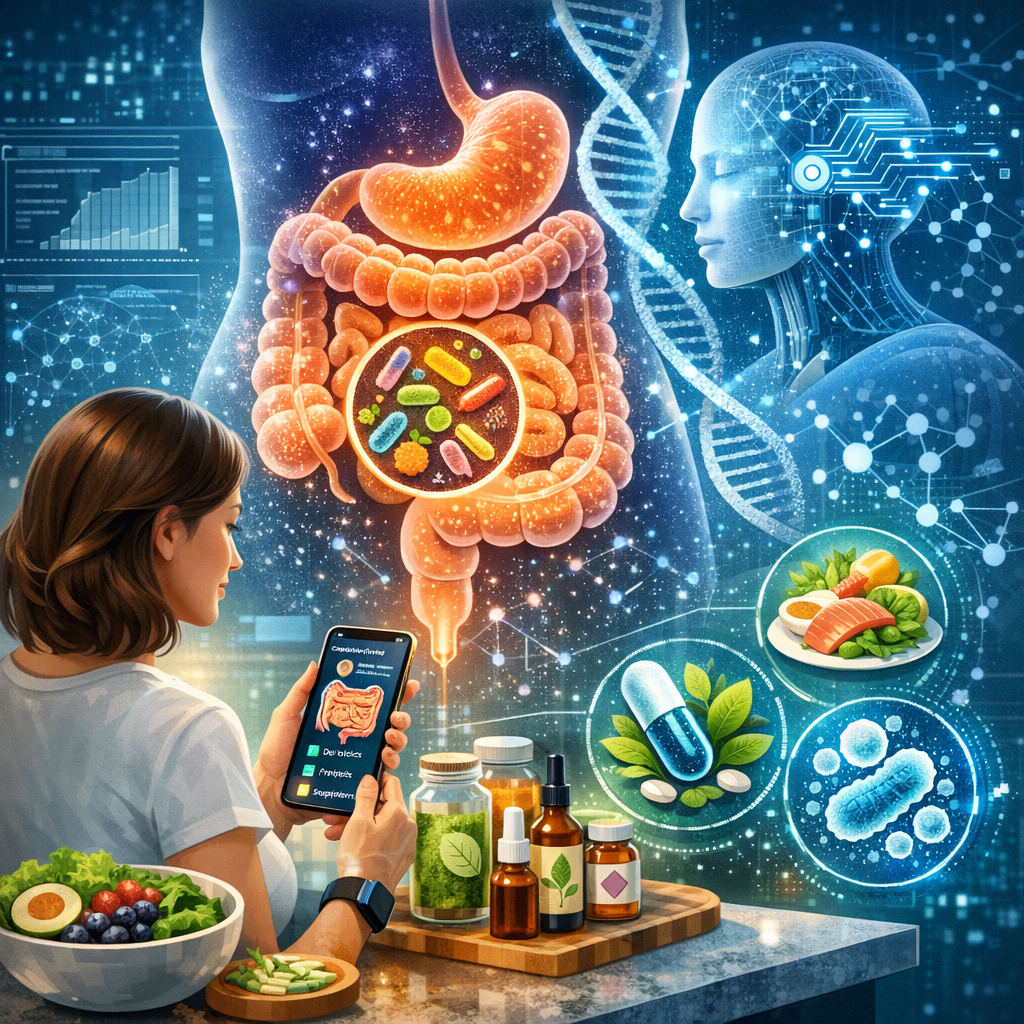
Traditional methods of managing gut health often involve generic dietary guidelines and herbal supplements like probiotics, prebiotics, and various herbal concoctions such as ginger, peppermint, and chamomile. While these can be effective, their generic nature might not cater to the unique needs of an individual’s microbiome. Enter personalized biohacking–the art and science of optimizing gut health tailored to one’s biological makeup. Through the power of AI, such personalization is increasingly accessible.
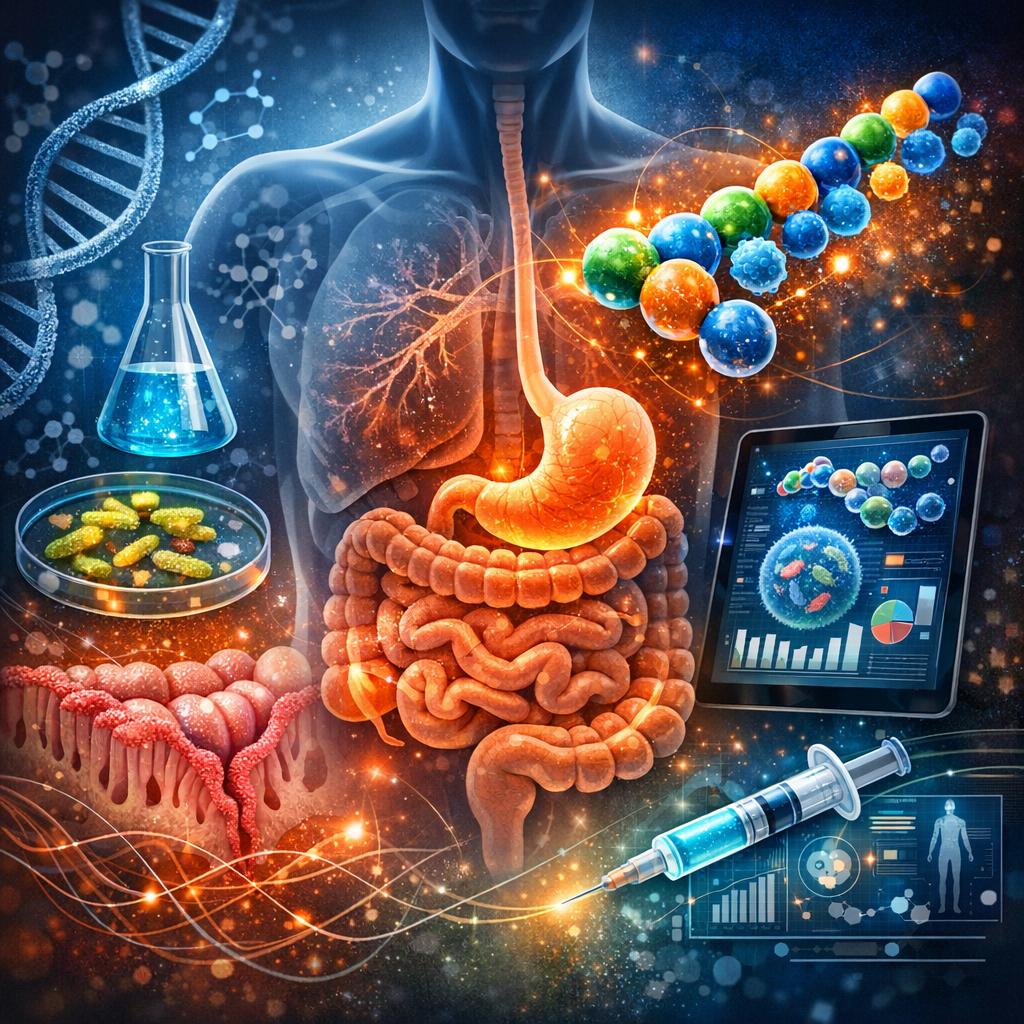
AI has the potential to analyze vast amounts of biological data to unearth patterns and insights. Regarding gut health, AI can assist in customizing dietary and supplement recommendations, pinpointing microbiome imbalances, and predicting health outcomes. This involves deploying sophisticated machine learning algorithms to evaluate one’s genetic makeup, lifestyle patterns, environmental exposures, and existing gut microbiota composition to curate sophisticated, individualized interventions.
A pivotal aspect of this innovation is its use of data from microbiome sequencing—an analysis of the myriad bacteria, viruses, and fungi residing in our intestines. AI can synthesize complex datasets from these microbiomes, translating the structure and function of gut bacteria into actionable health insights. As a result, individuals may receive specialized diets, targeted herbal supplements, and lifestyle modifications engineered to foster a harmonious gut environment. This scientific endeavor enhances digestive health and holds potential in preventing and managing chronic conditions linked to gut dysbiosis, such as IBS, obesity, and mental health disorders.
Features of AI-Driven Personalized Gut Health Protocols
Several professional and medical studies have begun to showcase the profound implications of personalized biohacking powered by AI. A study published in [*Nature Medicine*](https://www.nature.com/articles/nm.3773) examined how AI algorithms from personalized microbiome sequencing could effectively predict individuals’ blood sugar responses to different foods, outperforming traditional dietary guidelines. This finding reaffirms the immense potential of AI to refine and personalize dietary regimens that support gut health.
Additionally, research by the [American Gut Project](https://www.ncbi.nlm.nih.gov/pmc/articles/PMC5954209/), a large-scale study on the human microbiome, emphasizes the role of AI in unraveling complex gut health data to optimize health outcomes. Their work supports that personalized interventions based on AI analysis of gut microbiota can significantly improve gastrointestinal health and metabolic functions. This burgeoning field is supported by machine learning that delves into interconnections between diet, lifestyle, and microbiome diversity, steering us toward more effective and less invasive therapeutic options.
The [*Journal of Translational Medicine*](https://translational-medicine.biomedcentral.com/articles/10.1186/s12967-021-02729-9) reported that AI tools integrated with high-throughput microbiome analysis could customize probiotic and herbal treatments tailored for specific gut profiles, enhancing their efficacy. Such studies underscore the dynamic viability of AI in creating tailor-made strategies that respond directly to the intricate nuances of an individual’s microbiome.
This emerging landscape sets the stage for a new era of personalized medicine, where AI serves as a guide through the labyrinthine nature of gut health. By tapping into natural and herbal remedies mapped by AI-derived insights, we stand on the brink of a game-changing paradigm shift in gut health management.
Conclusion
The fusion of AI-driven protocols with the holistic ethos of biohacking offers a promising frontier in gut health. These advancements are not merely theoretical but have transitioned from research labs to real-world applications that can transform health management experiences. By leveraging the power of AI, individuals are no longer passive recipients of generic health advice; they become active participants in their wellness journey. This revolution in gut health stands as a testament to what happens when cutting-edge technology meets ancient practices, ushering in a future where wellness is not only attainable but sustainable.
Summary
The convergence of AI and personalized biohacking is revolutionizing gut health management by leveraging vast datasets and machine learning to tailor interventions to individual microbiomes. Unlike traditional approaches, AI-driven protocols provide customized diets, supplements, and lifestyle modifications, thus enhancing digestive and overall health. Emerging research highlights AI’s potential in improving the efficacy of dietary and probiotic recommendations. This technological advancement represents a pivotal shift towards empowered, informed, and effective health practices, seamlessly integrating ancient wellness methods with modern scientific insights for sustainable health management.