Harnessing the Power of Microbial Metabolomics: The Future of Personalized Gut Healing
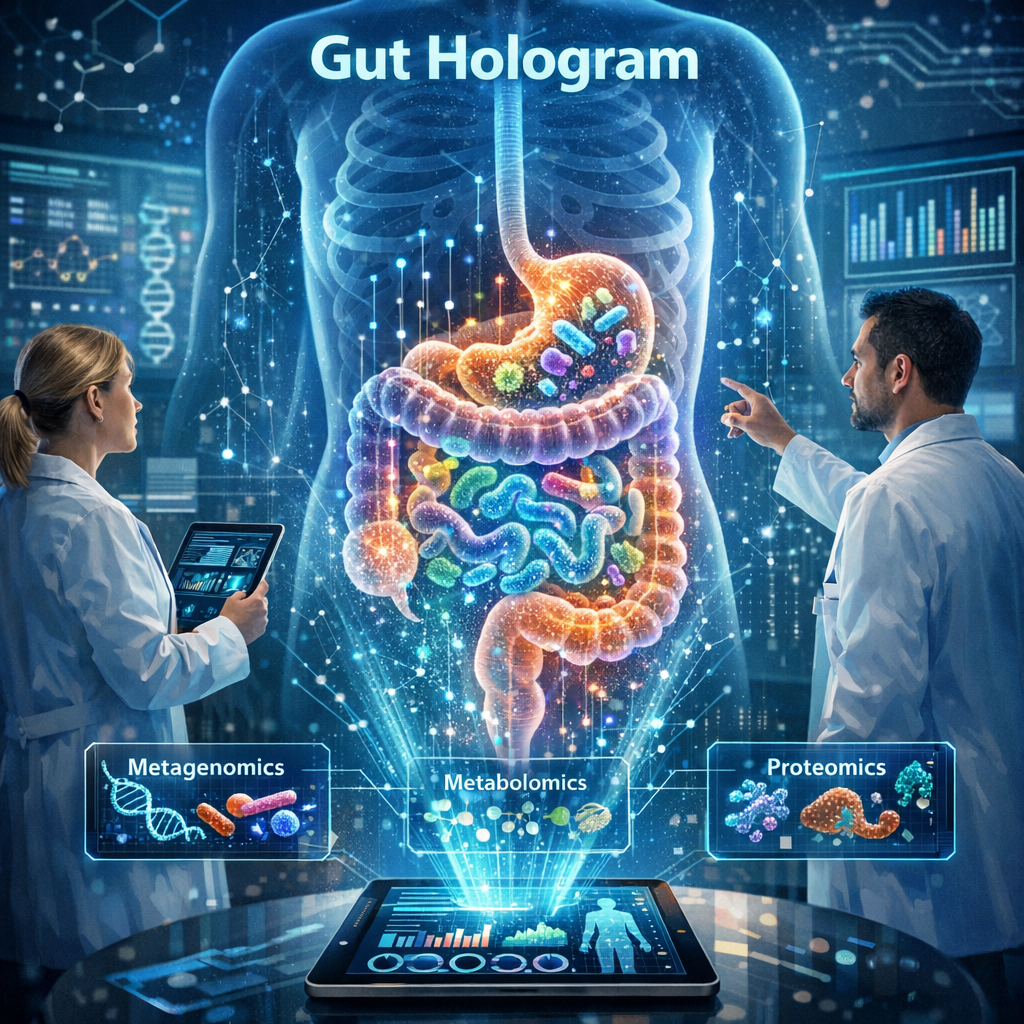
The human gut is a dynamic ecosystem with trillions of microorganisms, each playing a significant role in maintaining our overall health. Recent research emphasizes its influence not only on digestion but also on mental health, immunity, and chronic diseases. At the heart of this interest is microbial metabolomics—a discipline providing deep insights into metabolites produced by gut bacteria. This field is exploring how our unique gut microbiota contributes to both health and disease.
Microbial metabolomics offers a groundbreaking approach by analyzing the small molecules, or metabolites, resulting from bacterial breakdown of food. Each microbial community generates a unique metabolomic profile, akin to a “metabolic fingerprint,” that provides clues to an individual’s health status. This method is paving new ways to identify biomarkers of health risks and tailors personalized interventions targeting gut microbiota for enhanced outcomes.
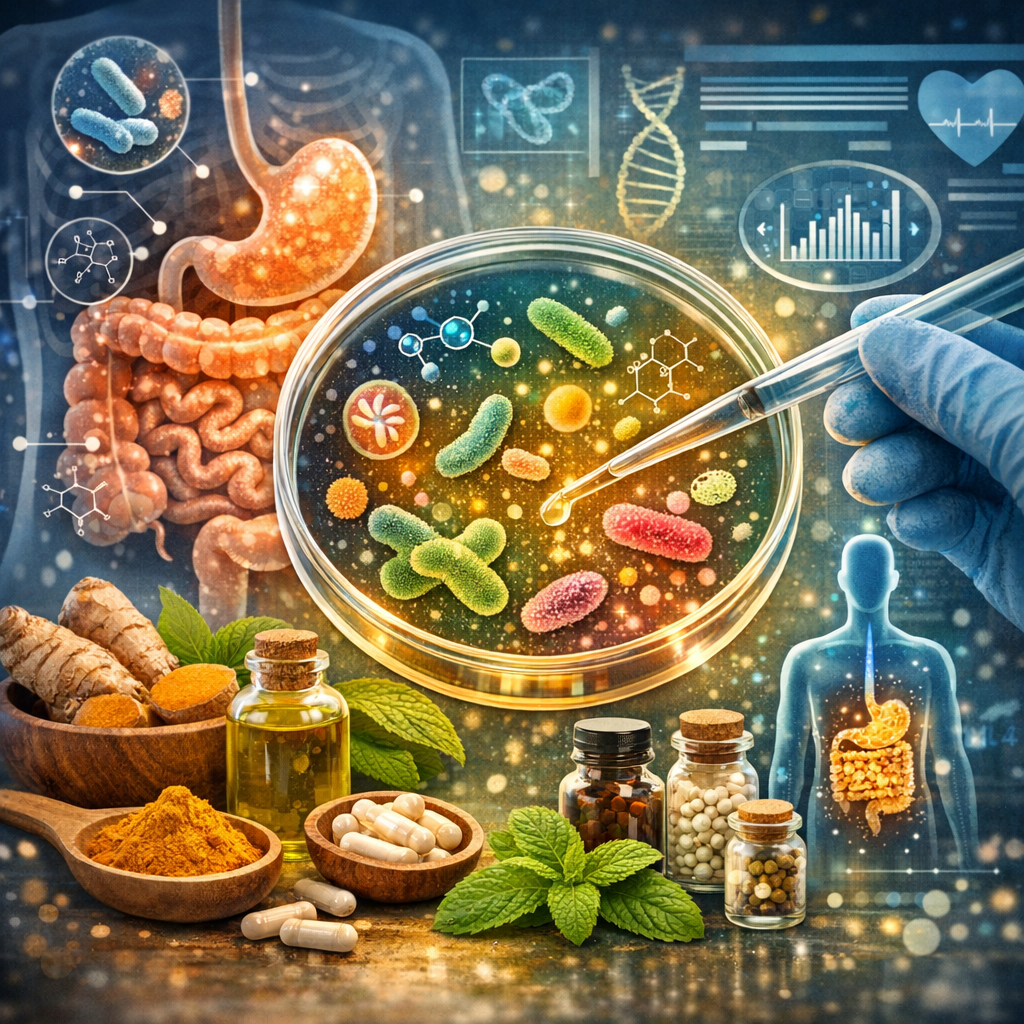
Natural cures and herbal treatments have historically played a role in gut health, with many herbs like ginger, peppermint, and turmeric being used for digestive benefits. Their bioactive compounds are now being studied in terms of their influence on gut bacteria and metabolites. This understanding aligns with personalized medicine principles, advocating for treatments based on individual biological factors.
By leveraging microbial metabolomics, researchers better understand how dietary components and natural remedies affect the body at a microbial level. For instance, a personalized gut health protocol may involve utilizing probiotics, prebiotics, and targeted herbs based on an individual’s metabolomic profile. Such a tailored strategy is more effective than generalized dietary recommendations, considering each person’s unique microbial milieu.
Features: Medical Studies and Developments
Several studies demonstrate the revolutionary potential of microbial metabolomics in personalizing gut health treatments. A landmark study in [Nature](https://www.nature.com/articles/nature09944) explored distinct metabolomic profiles in individuals predisposed to obesity and type 2 diabetes due to their gut microbiota. It suggested specific bacterial metabolites as biomarkers for disease prediction and dietary interventions.
Research supports herbal treatments in altering gut microbiota composition. A study in [Phytotherapy Research](https://onlinelibrary.wiley.com/doi/10.1002/ptr.6299) found polyphenol-rich herbs like green tea and rosemary positively change gut microbiota and metabolite production, improving gut barrier function and reducing inflammation.
Additionally, studies on turmeric reveal curcumin fosters beneficial bacterial species while inhibiting pathogenic ones. According to the [Journal of Medicinal Food](https://www.liebertpub.com/doi/10.1089/jmf.2016.3667), this modulation is linked to increased production of short-chain fatty acids, vital for colonocyte health and anti-inflammatory effects.
These studies underscore the promising integration of microbial metabolomics with traditional herbal medicine, paving the way for precise remedies aligning with individual gut microbiota compositions.
Conclusion: Integrating Tradition with Science
The frontier of personalized gut health is being reshaped by combining ancient natural remedy wisdom with modern scientific innovation through microbial metabolomics. This evolution in science enhances the potential for tailored therapeutic strategies accommodating individual microbial profiles. Embracing the complex interplay between diet, herbal treatments, and gut microbiota allows individuals to seek a personalized journey toward optimal gut health. Future research and innovation hold promising possibilities for effectively and naturally harnessing this microbial treasure trove to enhance well-being.
Concise Summary
Harnessing the power of microbial metabolomics offers a revolutionary approach to personalized gut health, focusing on metabolites’ role in overall well-being. By analyzing individual “metabolic fingerprints,” researchers can develop tailored interventions using natural herbs like turmeric and dietary components. Studies highlight specific metabolites as biomarkers for disease prediction and showcase how herbal treatments like green tea alter gut microbiota for better health. Integrating ancient remedies with cutting-edge science, microbial metabolomics is paving the way for precise, personalized gut health therapies with promising potential for enhancing well-being naturally.