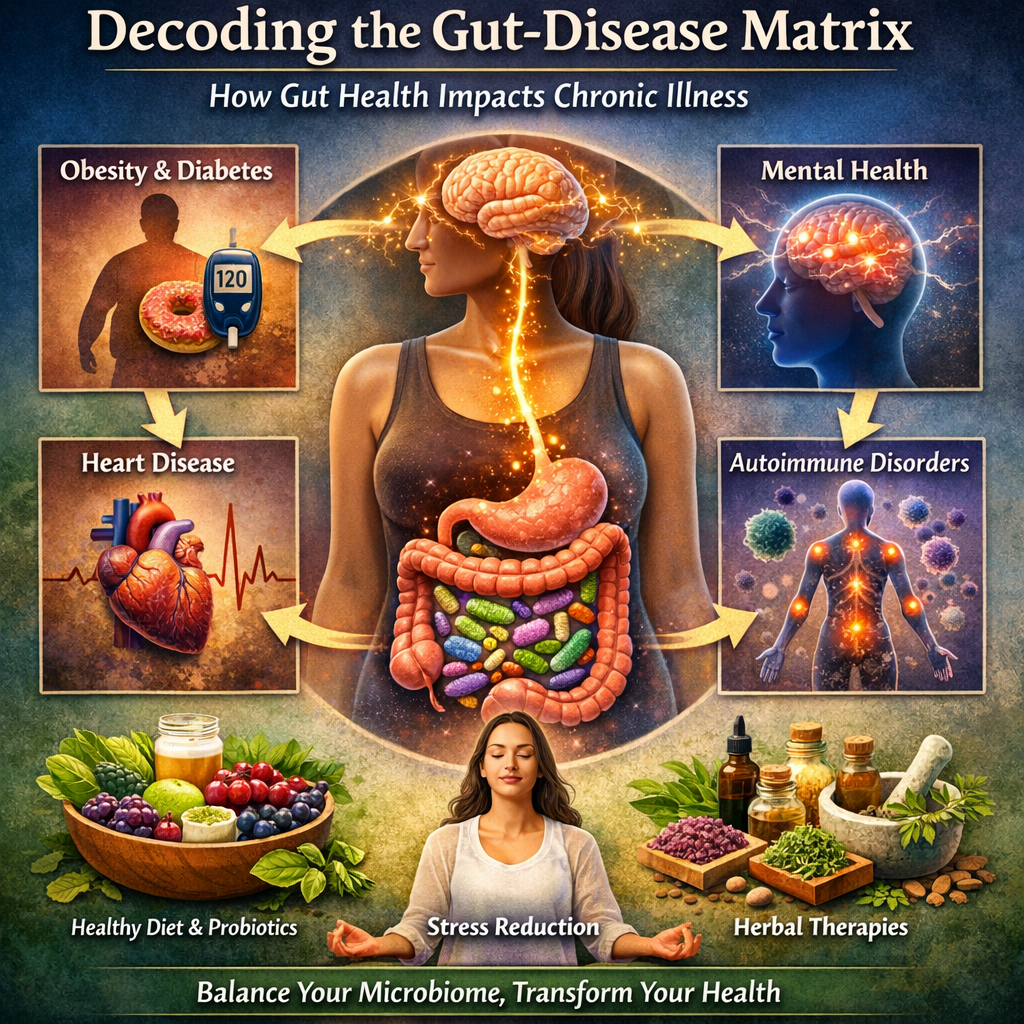
Decoding the Gut-Disease Matrix: How Gut Health Influences Chronic Illness Beyond the Digestive System
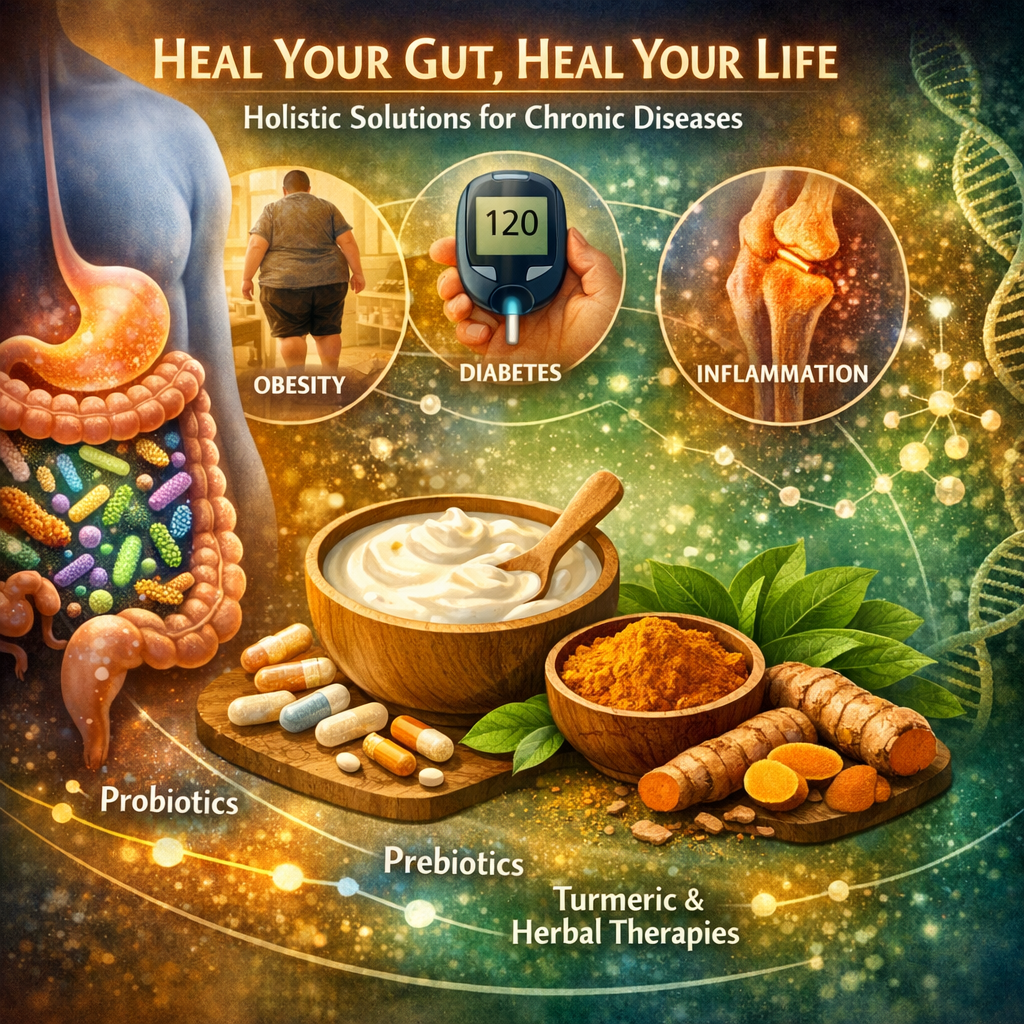
The human gut, often referred to as the “second brain,” plays a pivotal role that extends far beyond digestion. Recent scientific advancements have begun to unravel the complexities of the gut microbiome, a diverse ecosystem of trillions of microorganisms residing in our intestines, which significantly impacts overall health. Emerging research underscores its profound influence on chronic illnesses such as obesity, diabetes, cardiovascular diseases, and even neurological and autoimmune disorders. This intricate relationship between gut health and systemic diseases is often termed the “gut-disease matrix,” representing a burgeoning field of interest within medical science.
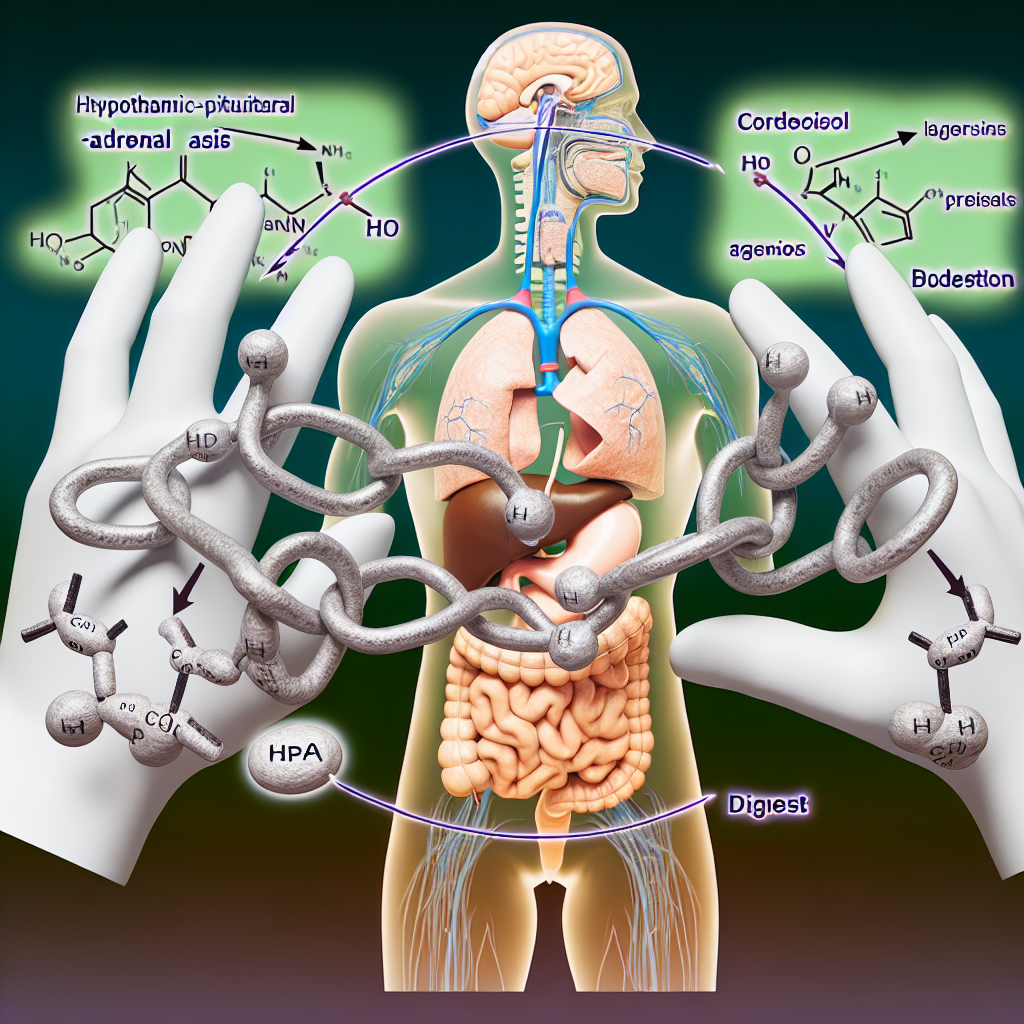
While our understanding of the gut-brain connection has existed for over a century, it is only in the past decade that cutting-edge technology and research have paved the way for deeper insights into how gut health affects other bodily systems. The communication between the gut and the brain occurs through a neurological network called the gut-brain axis, which orchestrates hormonal and immune system signals. This systemic communication can trigger inflammatory responses or influence mood and cognition.
Moreover, a healthy gut microbiota is crucial for maintaining the integrity of the intestinal lining of our gut, preventing harmful pathogens and toxins from entering the bloodstream — a phenomenon known as “leaky gut.” When this delicate barrier is compromised, it potentially leads to systemic inflammation, contributing to the onset and progression of various chronic diseases.
The modern lifestyle, characterized by a high-sugar, low-fiber diet, stress, and widespread antibiotic use, has led to dysbiosis — an imbalance in the gut microbiome. Dysbiosis has been linked to an increased risk of chronic diseases. Given this, there is a growing interest in natural cures and herbal treatments aimed at restoring gut health. Integrative medicine approaches, including the use of probiotics, prebiotics, and plant-based diets rich in fiber, are gaining momentum as potential strategies to maintain or restore a healthy gut ecosystem.
Features: Exploring the Scientific Underpinnings
Several studies highlight the correlation between gut microbiota and chronic diseases. A groundbreaking study published in “Nature” illustrated how specific bacterial strains are linked to chronic inflammatory conditions such as Crohn’s disease and ulcerative colitis. This study emphasized the critical role of maintaining a robust and diverse microbial environment for overall health.
Research by the “British Medical Journal” focused on the gut microbiome’s influence on metabolic disorders like obesity and type 2 diabetes. The study documented how reduced bacterial diversity and specific microbial compositions are associated with insulin resistance and adiposity. Such findings foster hope for microbiome-targeted therapies in treating metabolic dysfunctions.
One intriguing area is the gut-immune connection. Studies published in “Immunity” have explored how the gut microbiota influences immune system functioning, affecting susceptibility to autoimmune diseases, such as rheumatoid arthritis and multiple sclerosis. Researchers are delving into how herbal supplements might modulate gut bacteria to enhance immune resilience.
Perhaps most fascinating is the gut-brain connection. Stress and psychological disorders, like depression, have shown strong links to gut microbiome composition, as revealed in studies in “Psychiatry Frontiers“. This opens new avenues for therapeutic interventions targeting gut health to manage mental health ailments, providing a holistic approach to patient care.
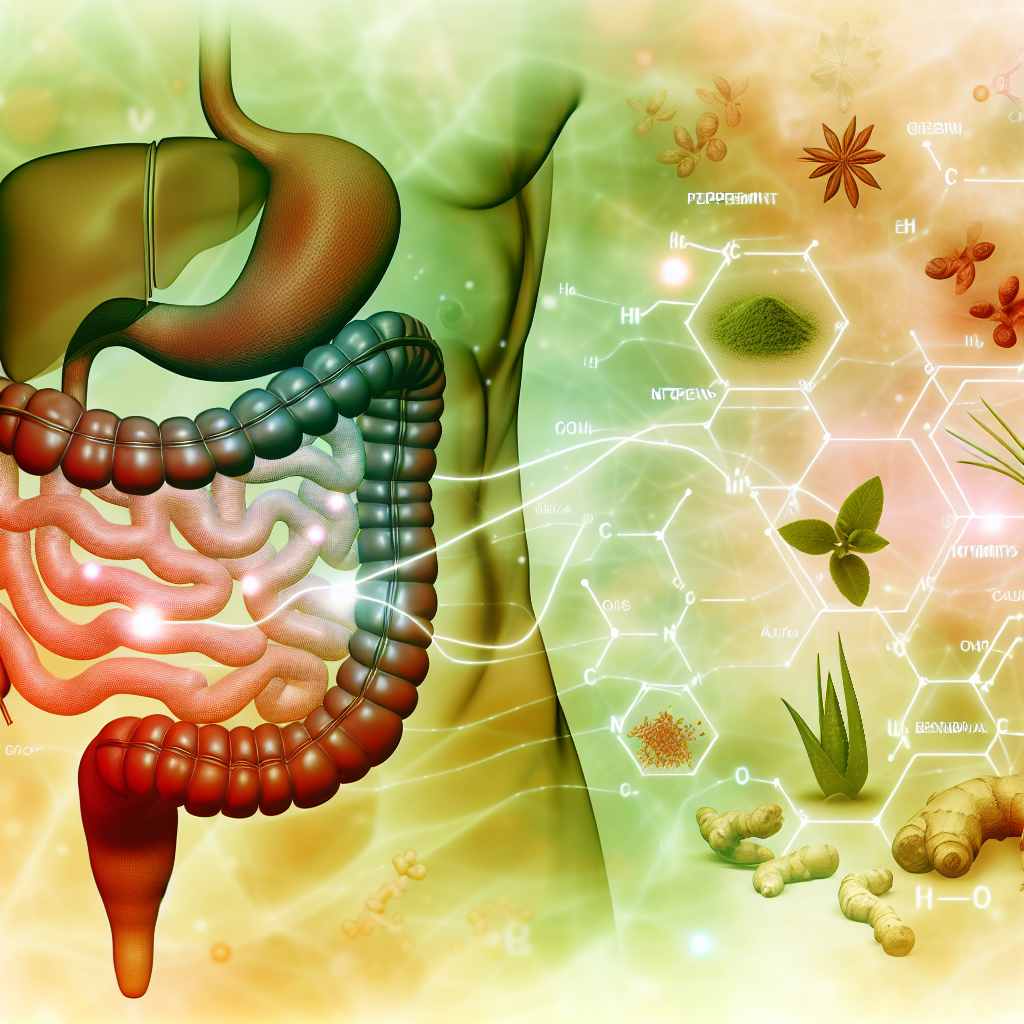
The scientific community is increasingly adopting integrative models of healthcare, which recognize the gut microbiome’s role in disease progression and management. Consequently, herbal therapies like turmeric, ginger, and peppermint, renowned for their anti-inflammatory and antioxidative properties, are gaining scientific interest for their potential to support gut health and mitigate chronic disease symptoms.
Conclusion: Embracing Gut Health for Holistic Well-being
As the intricate connections between gut health and chronic illnesses continue to unfold, embracing natural and holistic approaches to maintain a balanced microbiome becomes imperative. Strategies like consuming a diverse, plant-rich diet, managing stress through mindful practices, and utilizing herbal treatments could pave the way for a healthier, more balanced life. It is clear that prioritizing gut health may hold the key to not only alleviating digestive issues but also addressing systemic and chronic health challenges. By decoding the gut-disease matrix, we illuminate new paths for comprehensive wellness, underscoring the age-old adage that we truly are what we eat. For those seeking alternatives to conventional medicine, the journey into the gut offers promising possibilities for enhanced health outcomes and improved quality of life.
Concise Summary
The human gut microbiome influences overall health beyond digestion, impacting chronic diseases like obesity and neurological disorders. The “gut-disease matrix” explores the system-wide effects of gut health through pathways like the gut-brain axis. A balanced microbiome can prevent gut permeability, reducing systemic inflammation and disease risks. Modern lifestyles often cause dysbiosis, spurring interest in probiotics and plant-based diets. Scientific studies link gut health to immune and mental health, highlighting potential in integrative and herbal therapies. Focusing on gut health offers a holistic approach to managing chronic illnesses and enhancing well-being.