Why the Gut Microbiome is the Next Frontier in Personalized Medicine: A Deep Dive into Bio-Individual Gut Protocols
In recent years, the gut microbiome has emerged as a vital player in the world of personalized medicine, revolutionizing our understanding of health and disease. The gut microbiome refers to the diverse community of microorganisms living in our digestive tract, including bacteria, viruses, fungi, and other microbes. These microorganisms are not passive residents; they perform critical functions that aid digestion, boost the immune system, and even influence brain health. With these diverse roles, it’s no wonder that the gut microbiome is now considered the next frontier in personalized medicine.
The concept of personalized medicine is grounded in the understanding that each individual’s biology is unique, meaning there is no one-size-fits-all approach to healthcare. By harnessing the potential of the gut microbiome, healthcare professionals can create tailored approaches to disease prevention, diagnosis, and treatment. As research in this field advances, it becomes evident that balancing and optimizing gut health can have profound effects on overall well-being.
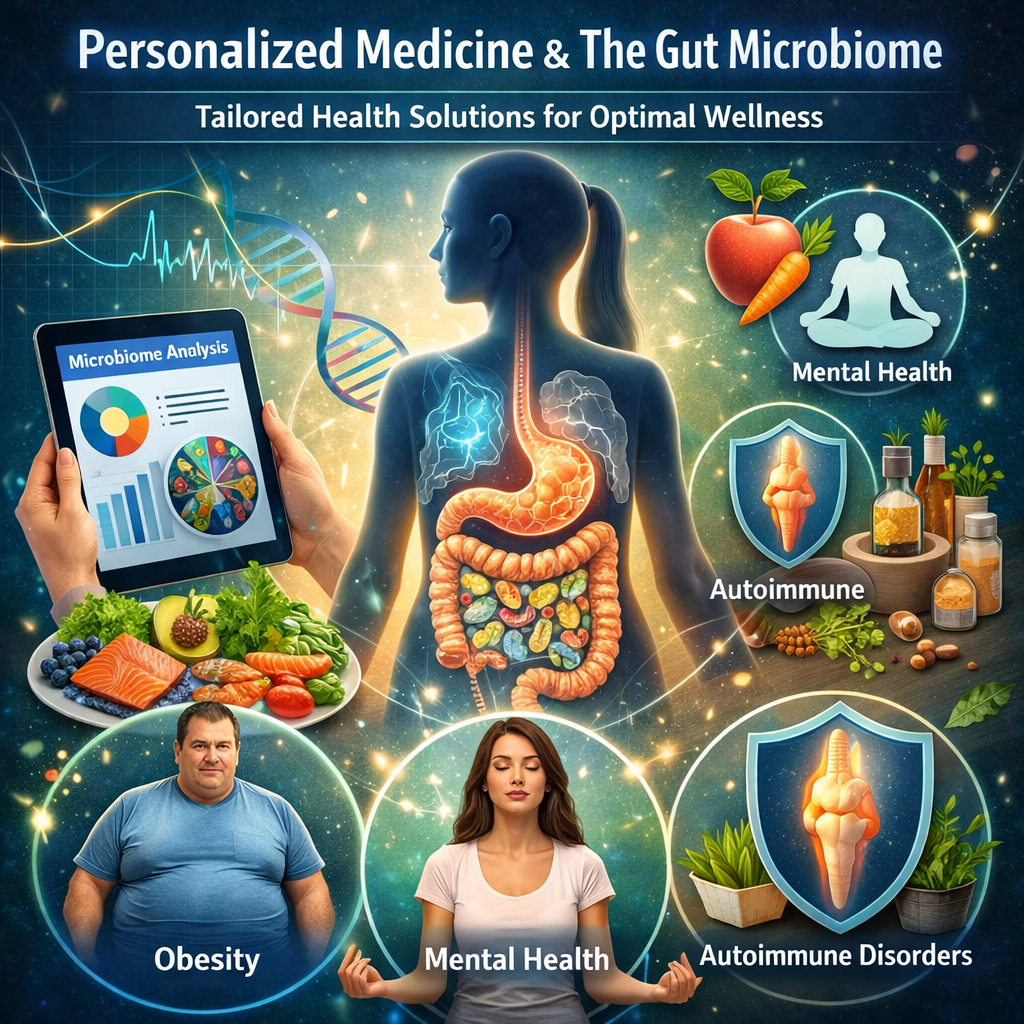
To appreciate the significance of the gut microbiome, one must recognize its influence beyond just gastrointestinal health. Recent studies indicate its involvement in conditions as diverse as obesity, diabetes, depression, and autoimmune disorders. This intricate relationship is due to the microbiome’s ability to communicate with multiple body systems, including the immune, nervous, and endocrine systems. This interconnectivity highlights the potential benefits of approaching health from a microbiome-centered perspective.
The rise of interest in bio-individual gut protocols continues to gain traction, driven by advances in sequencing technologies and growing consumer interest in natural and holistic health solutions. Bio-individual protocols involve customizing dietary, lifestyle, and supplement recommendations based on a person’s specific microbiome composition. These protocols aim to cultivate a healthy gut environment, promoting beneficial bacteria while suppressing harmful ones.
Within this realm, herbal treatments and natural cures play a significant role. Herbs like ginger, turmeric, and peppermint have long been valued for their ability to support digestive health. They contain anti-inflammatory properties, help alleviate symptoms of indigestion, and support the integrity of the gut lining. The integration of herbal medicine into bio-individual protocols offers promising outcomes for those seeking natural approaches to bolster their gut health and, consequently, their overall wellness.
Features: Professional or Medical Studies on Gut Microbiome
The world of scientific research has shown a keen interest in the gut microbiome, with several studies emphasizing its far-reaching implications for personalized medicine. One landmark study published in [Nature](https://www.nature.com/articles/s41575-019-0158-4) journal (Rinninella et al., 2019) highlights the pivotal role of the gut microbiome in personalizing dietary interventions. By analyzing gut bacteria, researchers can predict individual responses to different diets, offering a roadmap for tailored nutritional plans. This kind of individualized approach helps improve metabolic health and prevents lifestyle-related diseases.
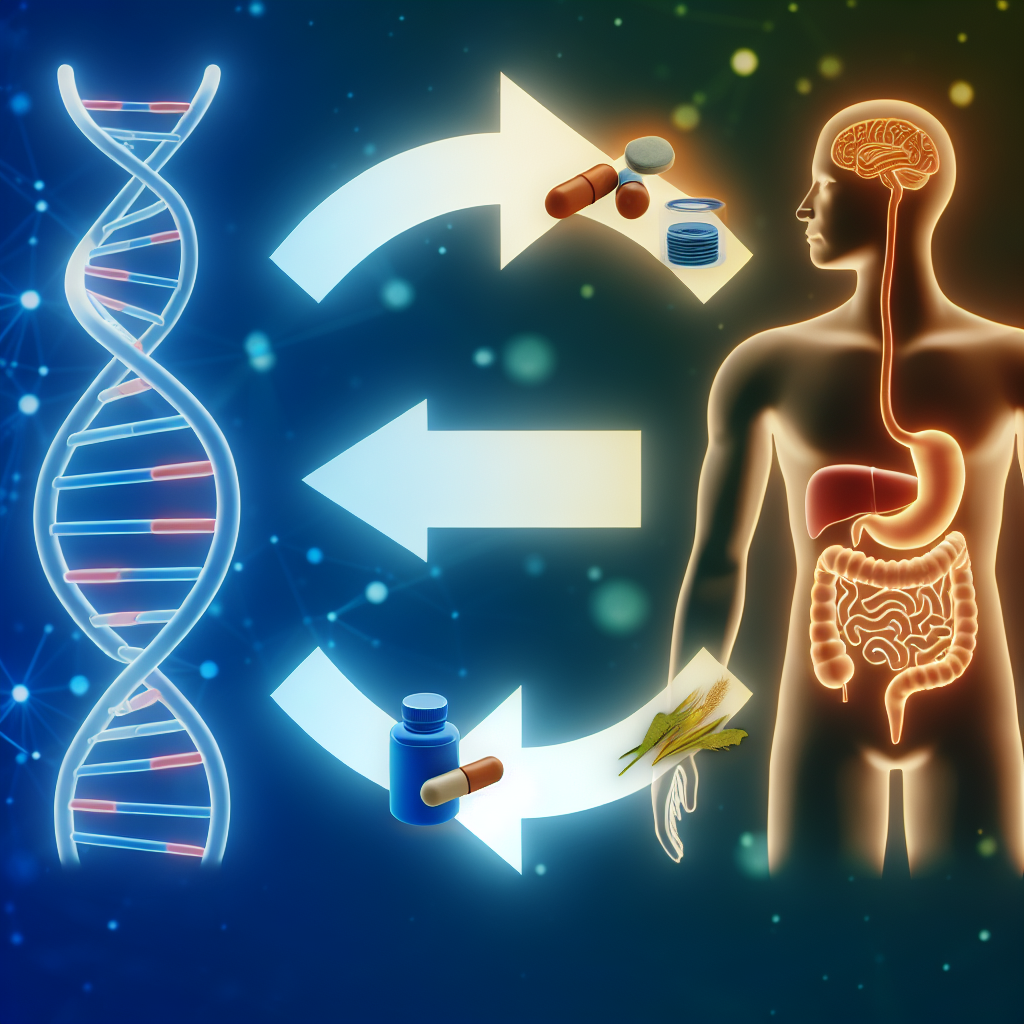
Additionally, a study reported in [Cell](https://www.cell.com/cell/fulltext/S0092-8674(16)31251-X) journal (Zhernakova et al., 2016) explored the interplay between gut microbiota and genetics. Researchers found that while genetics influence the composition of our microbiome, external factors like diet, medication, and lifestyle have a more substantial impact. This insight reinforces the need for adjustable, personalized health strategies focusing on modifiable lifestyle factors.
Compelling evidence also ties the gut microbiome to mental health. A research article published in [Frontiers in Psychiatry](https://www.frontiersin.org/articles/10.3389/fpsyt.2017.00009/full) (Dinan & Cryan, 2017) discusses the gut-brain axis, illustrating how alterations in the microbiome can influence emotional and cognitive processes. By understanding these interactions, medical professionals can formulate psychobiotic therapies, using probiotics and diet changes to manage mental health disorders non-invasively.
In the field of autoimmune diseases, the microbiome’s role is not to be overlooked. A study in [Cell Host & Microbe](https://www.cell.com/cell-host-microbe/fulltext/S1931-3128(16)00221-8) (Honda & Littman, 2016) examines how gut bacteria can modulate the immune system, offering new therapeutic avenues for managing conditions such as rheumatoid arthritis and ulcerative colitis. These findings underscore the potential of gut-targeted therapies in reshaping immune responses, reducing inflammation, and promoting remission in autoimmune disorders.
Conclusion
In conclusion, the gut microbiome stands at the forefront of a transformative shift towards personalized medicine, offering a promising avenue for healthcare solutions beyond traditional methods. By integrating bio-individual gut protocols, which blend personalized nutrition, lifestyle adjustments, and herbal medicine, individuals can achieve a balanced, healthy gut microbiome that supports their unique biological needs. As the gut microbiome research field matures, it continues to reshape our understanding of health, advocating a holistic, personalized approach that empowers individuals to take charge of their wellness. By embracing this cutting-edge frontier, we not only enhance individual health outcomes but also pave the way for a more personalized, effective global healthcare system.
References
– Rinninella, E., et al. (2019). The interplay between gut microbiota and dietary patterns: A review on human studies. [Nature](https://www.nature.com/articles/s41575-019-0158-4).
– Zhernakova, A., et al. (2016). Population-based metagenomics analysis reveals markers for gut microbiome composition influencing metabolic health. [Cell](https://www.cell.com/cell/fulltext/S0092-8674(16)31251-X).
– Dinan, T.G., & Cryan, J.F. (2017). Gut-brain axis and psychobiotics: Interactions between the microbiome, the central nervous system, and how it affects transplant outcome. [Frontiers in Psychiatry](https://www.frontiersin.org/articles/10.3389/fpsyt.2017.00009/full).
– Honda, K., & Littman, D.R. (2016). The microbiota in adaptive immune homeostasis and disease. [Cell Host & Microbe](https://www.cell.com/cell-host-microbe/fulltext/S1931-3128(16)00221-8).
Concise Summary:
The gut microbiome is a pivotal factor in the emerging field of personalized medicine, influencing various aspects of health, including digestion, immunity, and mental well-being. By customizing health strategies like diet and lifestyle based on individual microbiomes, healthcare can be more tailored and effective. Current research underscores its role in conditions such as obesity, diabetes, depression, and autoimmune diseases. The integration of bio-individual gut protocols, combining personalized nutrition and herbal treatments, highlights a promising shift toward holistic and efficacious healthcare solutions.