Revolutionary Gut Repair Protocols: Decoding Molecular Pathways for Breakthrough Healing
The gut, often referred to as the body’s “second brain,” is an intricate system essential for maintaining overall health. It hosts trillions of microbes, both beneficial and detrimental, that play pivotal roles in digestion, nutrient absorption, and immune function. But what happens when this delicate ecosystem becomes imbalanced? Issues like leaky gut syndrome, irritable bowel syndrome (IBS), and inflammatory bowel disease (IBD) emerge, leading to discomfort, malnutrition, and chronic inflammation.
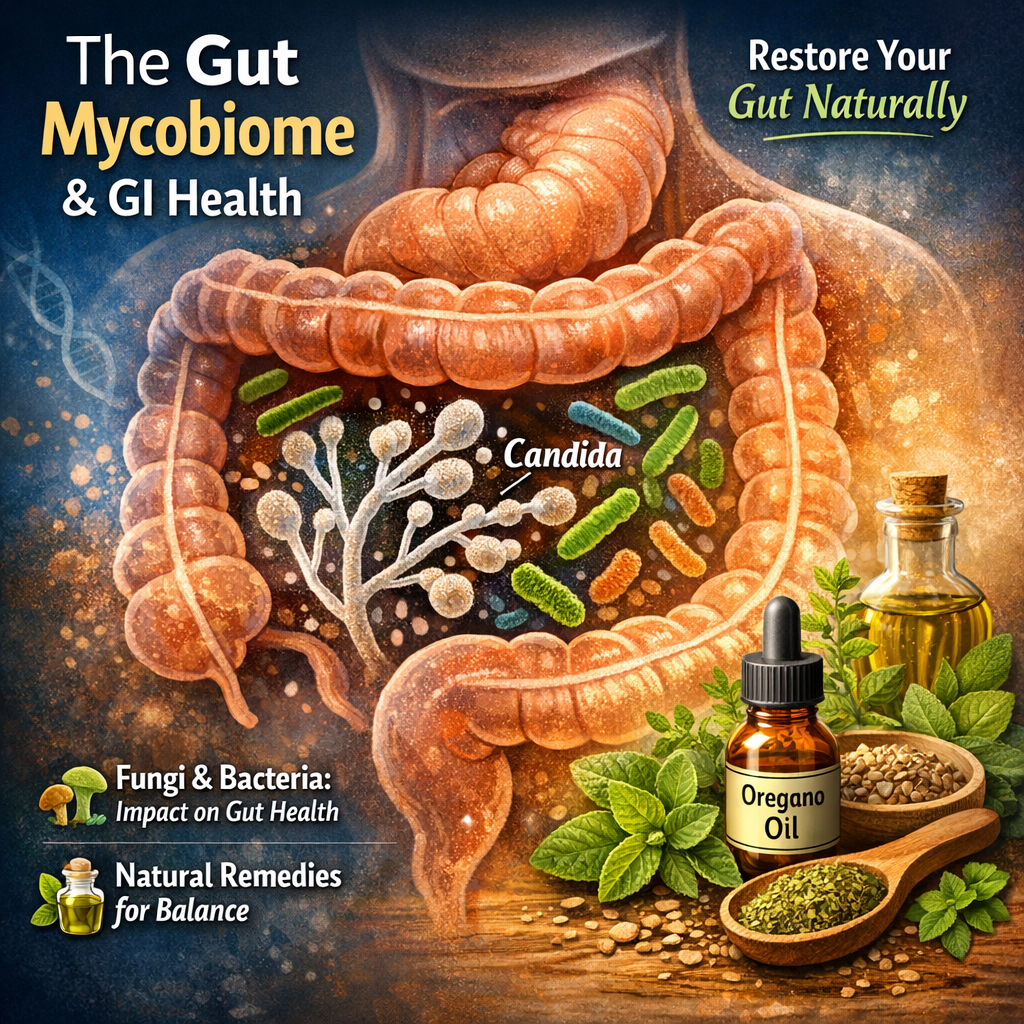
Recent research has spotlighted the gut’s vital functions, especially its influence on systemic wellness. With a deeper understanding of molecular pathways, scientists and health professionals are now exploring natural solutions to restore and maintain gut integrity. Traditional medicine has long used herbs and natural compounds to promote gastrointestinal harmony, and these ancient remedies are now being supported by modern scientific insights.
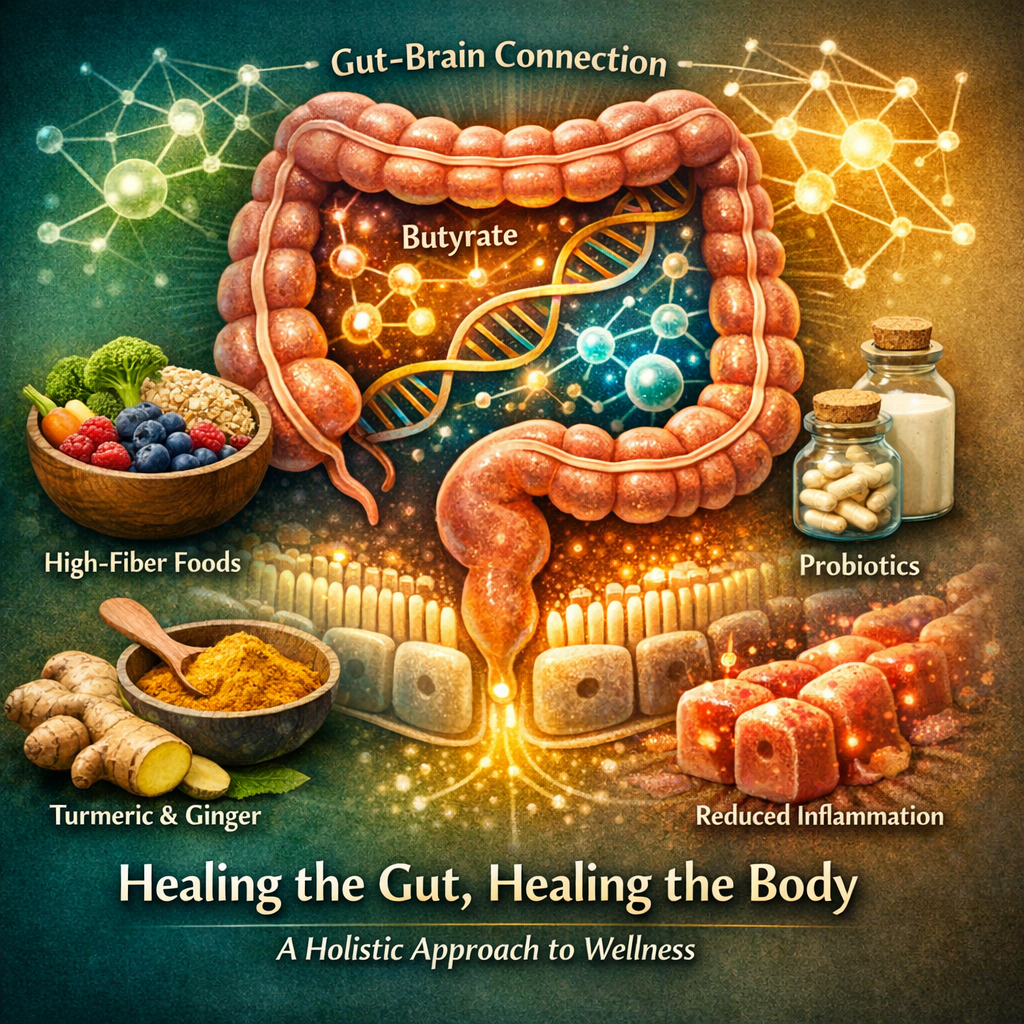
In particular, the molecular pathways involved in gut healing have become a focal point in revolutionary protocols. These pathways include butyrate production through fiber fermentation, the activation of the gut-brain axis, and modulation of the immune response. Butyrate, a short-chain fatty acid produced during the digestion of dietary fibers by gut bacteria, plays a fundamental role in nourishing colon cells, reducing inflammation, and strengthening the gut lining.
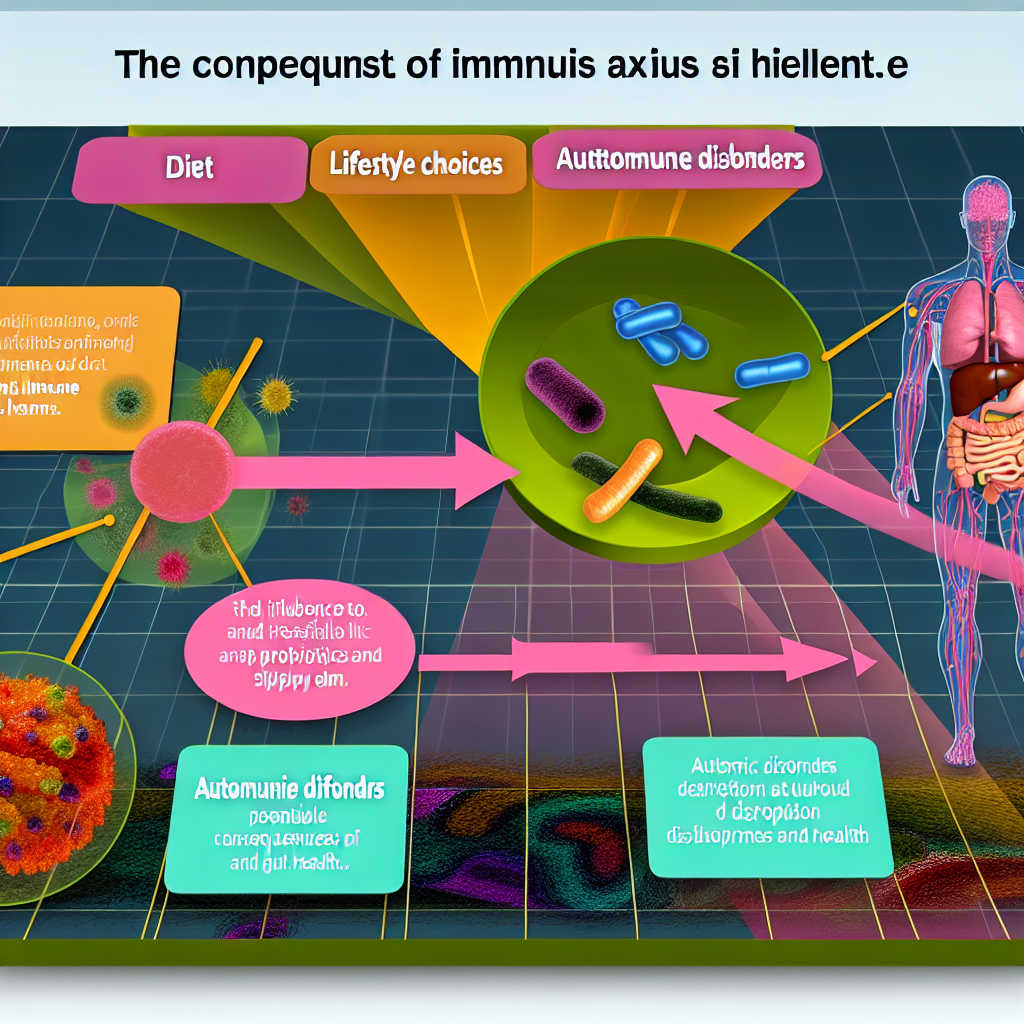
Moreover, the gut-brain axis—a bidirectional communication network linking the gut and the central nervous system—can be modulated by certain probiotics and prebiotics to alleviate stress-related gastrointestinal symptoms. Similarly, specific herbal treatments are known to interact with the immune pathways in the gut, promoting a balanced immune response and reducing hyperinflammatory states typical in autoimmune diseases.
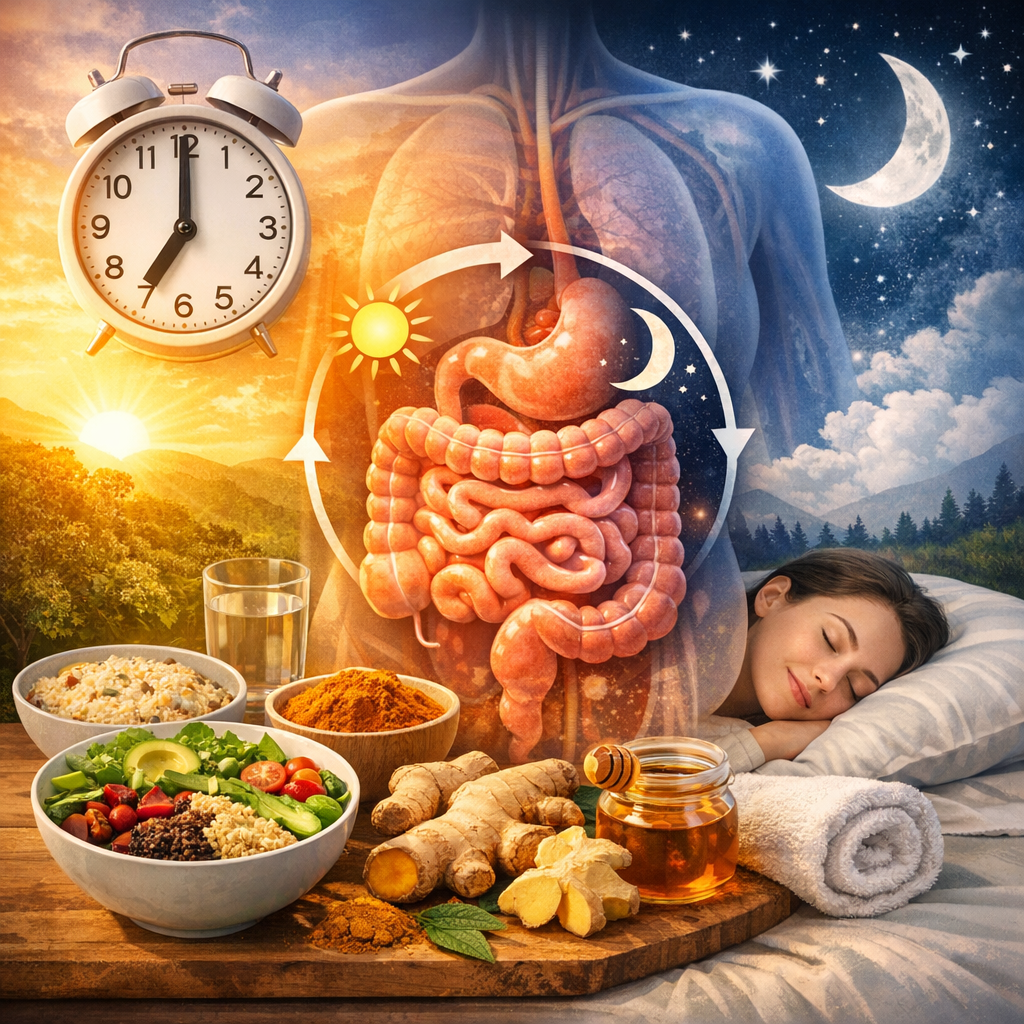
Discovering how diet, lifestyle, and natural supplements influence these molecular mechanisms gives us hope for more effective and less invasive gut health treatments. By decoding these pathways, individuals can adopt personalized approaches for lasting gut wellness, tapping into the profound healing abilities of nature.
Features: Scientific Studies and Evidence
One of the promising areas in gut health research focuses on the gut microbiome’s role in mitigating gastrointestinal disorders. A landmark study in the journal *Cell* elaborated on how gut bacteria affect the immune system through metabolite production, particularly focusing on the importance of short-chain fatty acids like butyrate. This study articulated how increasing dietary fiber intake can bolster butyrate production, subsequently reinforcing the intestinal barrier and reducing inflammation ([Cell](https://www.cell.com/)).
Another significant body of research has been conducted on the effectiveness of herbal remedies such as turmeric and ginger, both of which have been used traditionally for their anti-inflammatory properties. Curcumin, an active component in turmeric, was shown in a study published in the *Journal of Clinical Gastroenterology* to decrease gut inflammation in patients with IBD. The study highlighted the compound’s ability to modulate several molecular pathways related to inflammation and cellular repair ([Journal of Clinical Gastroenterology](https://journals.lww.com/jcge)).
The influence of probiotics on the gut-brain axis offers another intriguing pathway for gut health improvement. According to research published in *Nature Reviews Gastroenterology & Hepatology*, probiotics such as strains of *Lactobacillus* and *Bifidobacterium* can alter brain chemistry and influence mental health by regulating serotonin levels, which can be beneficial for stress-related gastrointestinal issues ([Nature Reviews Gastroenterology & Hepatology](https://www.nature.com/nrgastro/)). These strains reinforce the intestinal barrier and modulate the immune system, providing a dual approach to combating mental and physical symptoms triggered by gut imbalances.
Furthermore, the complex interplay between diet, the microbiome, and the immune system suggests that certain foods and herbal compounds can act as immunomodulators. A study published in *Frontiers in Immunology* discussed how herbs like licorice root contain glycyrrhizic acid, which might contribute to reducing inflammation by altering immune cell activity and cytokine production ([Frontiers in Immunology](https://www.frontiersin.org/journals/immunology)).
Conclusion
Navigating the complexities of gut health can be challenging, but recent scientific advancements offer promising natural interventions by elucidating the molecular pathways at play. By incorporating high-fiber foods, targeted probiotics, and time-honored herbal treatments, individuals can proactively enhance their gut health. The synergy of traditional wisdom and modern research continues to decode the mysteries of the gut, paving the way for innovative and effective protocols. The goal is to empower individuals to harness these natural remedies as part of a personalized holistic approach to achieving optimal digestive function and overall well-being.
Concise Summary:
Gut health is crucial for overall wellness and involves complex interactions among microbes, diet, and the immune system. Scientific studies reveal that dietary fibers promote butyrate production, enhancing the intestinal barrier and reducing inflammation. Probiotics and prebiotics modulate the gut-brain axis, alleviating stress-related symptoms, while traditional herbs like turmeric and licorice play roles in reducing gut inflammation and balancing immune responses. By understanding these molecular pathways, individuals can adopt personalized, natural approaches for lasting gut wellness, combining modern scientific insights with traditional remedies.

Dominic E. is a passionate filmmaker navigating the exciting intersection of art and science. By day, he delves into the complexities of the human body as a full-time medical writer, meticulously translating intricate medical concepts into accessible and engaging narratives. By night, he explores the boundless realm of cinematic storytelling, crafting narratives that evoke emotion and challenge perspectives.
Film Student and Full-time Medical Writer for ContentVendor.com