Decoding the Gut Metabolome: How Innovations in Metabolomics Could Revolutionize Gut Health Protocols
In recent years, the field of gut health has gained significant traction, becoming a focal point for both medical research and holistic health enthusiasts. At the heart of this interest lies the gut microbiome—a complex and dynamic community of microorganisms that coexist in our digestive tract. As we continue to unearth the intricacies of this ecosystem, a new frontier has emerged: the gut metabolome. But what exactly is the gut metabolome, and why is it gaining attention in the realm of digestive health?
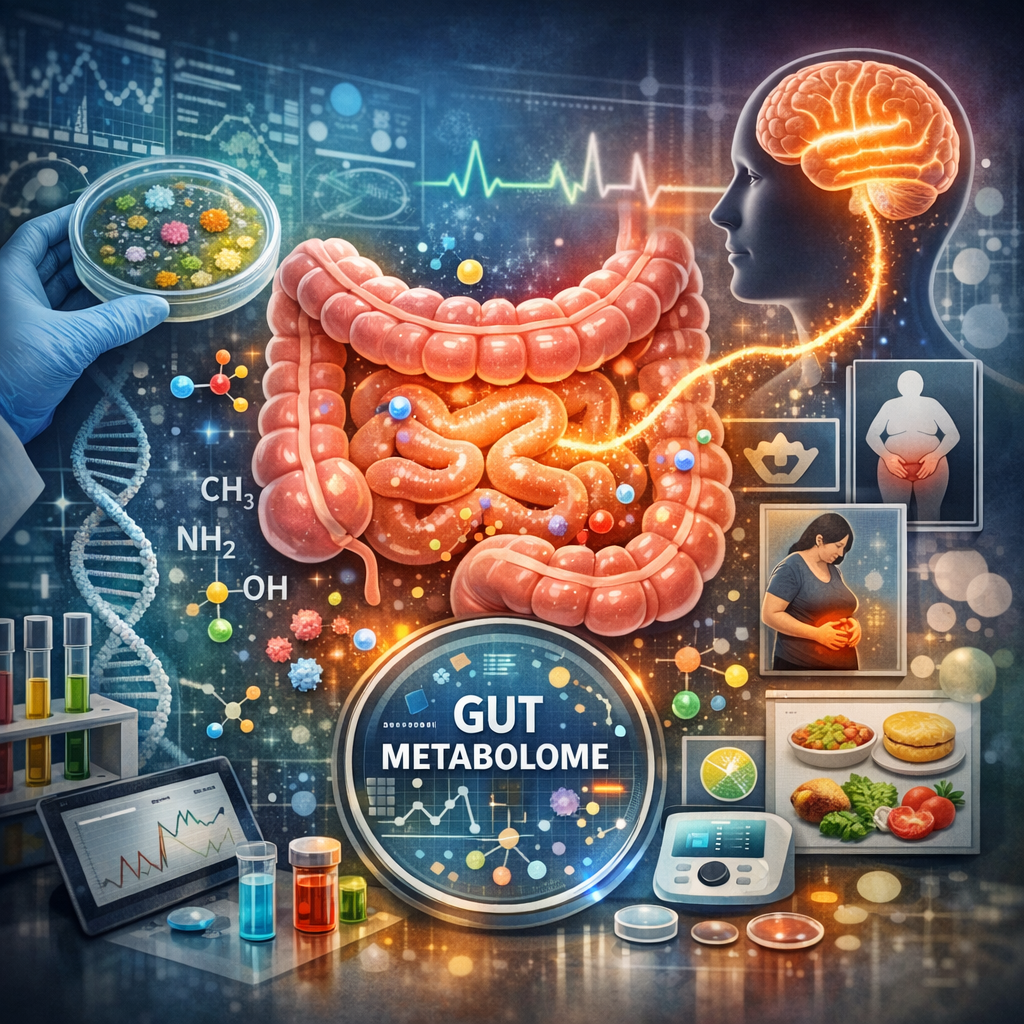
The metabolome represents the collection of small-molecule chemicals produced by and within the vast network of microorganisms in the gut. These metabolites include amino acids, vitamins, short-chain fatty acids (SCFAs), and other biochemical compounds that play crucial roles in our bodily systems. Unlike the microbiome, which details the microbial species present, the metabolome provides insight into their biochemical activity. This shift from understanding ‘who’ is in the gut to ‘what they are doing’ allows for a more sophisticated approach to diagnosing and treating various gut-related ailments.
Recent advancements in metabolomics—the scientific study of chemical processes involving metabolites—are opening new avenues for personalized medical treatments. With sophisticated techniques such as mass spectrometry and nuclear magnetic resonance spectroscopy, researchers can now identify, quantify, and analyze these metabolites with exceptional precision. This deeper understanding allows for the identification of metabolic imbalances associated with conditions like irritable bowel syndrome (IBS), obesity, and inflammatory bowel diseases (IBD), offering a blueprint for tailored therapeutic interventions. Furthermore, the rise of ‘omics’ technologies enables more accurate monitoring of how lifestyle changes, diets, and medications influence gut health over time.
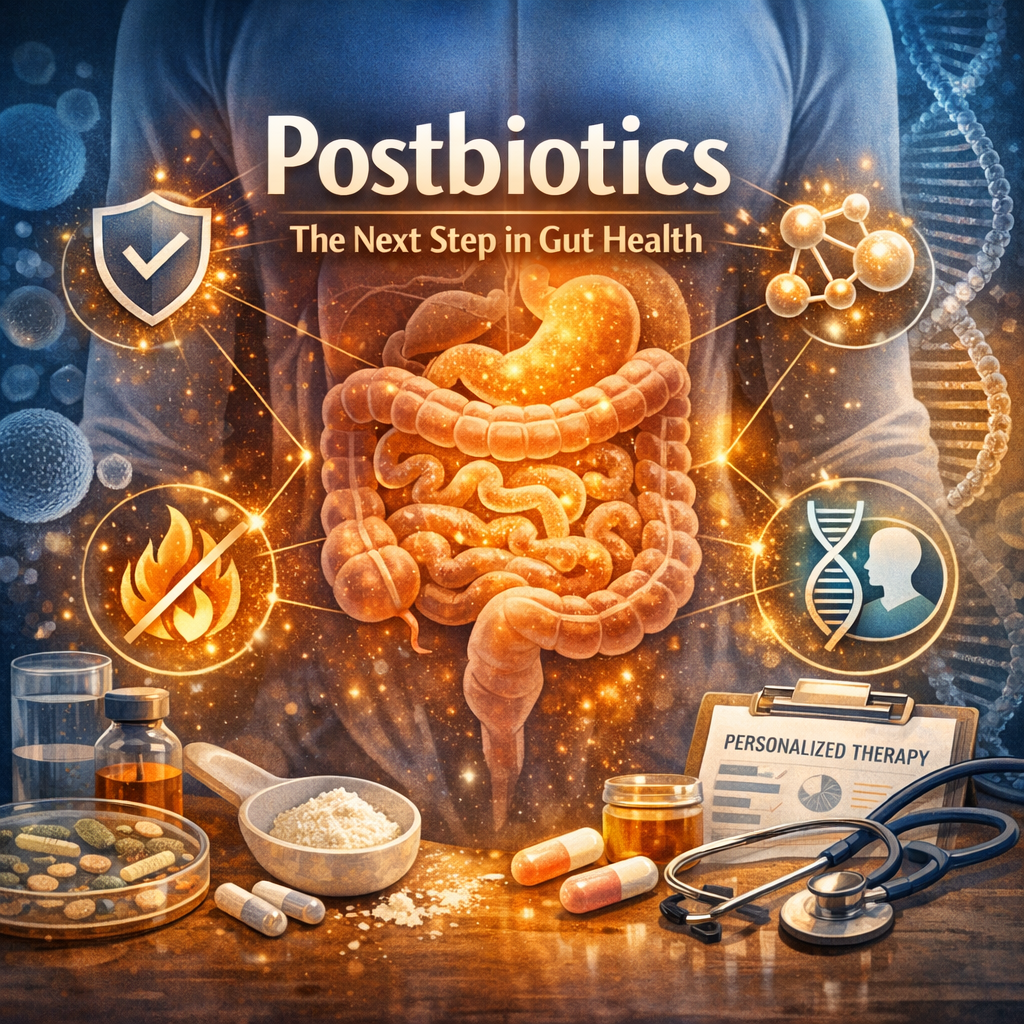
Integrating these innovations within gut health protocols could lead not only to novel treatments but also to preventative strategies. By decoding the unique metabolomic signatures of an individual’s gut, healthcare practitioners could potentially predict the onset of conditions, tailor dietary guidelines, or recommend specific probiotics. This blend of personalized medicine and nutritional science marks an exciting era that could redefine our approach to maintaining optimal gut health.
Features
The gut metabolome is a burgeoning area of study, with numerous research initiatives underway to unravel its complexities. One such study, published in [*Nature Metabolism*](https://www.nature.com/articles/s41574-019-0215-6), highlighted the role of SCFAs, which are metabolites produced by gut bacteria during the fermentation of dietary fibers. These SCFAs are essential for maintaining the health of colon cells, regulating immune responses, and serving as an energy source. Researchers discovered variations in SCFA levels in individuals with conditions such as IBS and ulcerative colitis, suggesting their potential as biomarkers for gut health evaluation and as targets for therapeutic intervention.
Another pivotal study published in [*Cell Reports*](https://www.cell.com/cell-reports/fulltext/S2211-1247(18)31660-9) demonstrated the connection between the gut metabolome and metabolic diseases. Researchers found that a distinct metabolomic profile was associated with insulin resistance, a precursor to type 2 diabetes. By using targeted metabolomics, they identified specific metabolites that were predictive of glucose intolerance, opening the door to earlier detection and personalized treatments.
Innovations in metabolomics have also broadened our understanding of the gut-brain axis—the biochemical signaling between the gastrointestinal tract and the nervous system. A study from [*Frontiers in Neuroscience*](https://www.frontiersin.org/articles/10.3389/fnins.2020.00300/full) revealed how metabolites influence neurotransmitter regulation and cognitive function. These findings are particularly relevant for conditions such as anxiety and depression, where gut health modifications could offer complementary therapeutic benefits.
These studies exemplify the transformative potential of metabolomics in the medical realm. By bridging microbiota activity with metabolic profiling, healthcare professionals can now design more nuanced interventions, addressing not only gut symptoms but systemic health issues. This holistic approach embodies the future of precision medicine, where treatments are rooted in a comprehensive understanding of both microbial and metabolic landscapes.
Conclusion
The exploration of the gut metabolome represents a significant leap forward in our quest to optimize health and wellness. As the intersection of advanced technologies and biological sciences continues to evolve, so too will our capabilities to unlock the secrets within our gut. The scope of metabolomics offers the promise of personalized interventions that go beyond conventional treatments, enhancing the efficacy of gut health protocols immensely. By embracing these novel insights, we stand on the brink of a new era—one where understanding the gut’s biochemical dynamics can transform healthcare outcomes and elevate our strategies for holistic well-being.
Concise Summary
The gut metabolome, composed of metabolites like SCFAs, offers new insights into gut health, beyond identifying microbial species. Recent advancements in metabolomics enable precise analysis of these metabolites, linking them to conditions like IBS, obesity, and IBD. Such innovations promise personalized treatments by revealing metabolic imbalances. Research highlights SCFAs’ roles and the gut-brain axis, linking metabolites to metabolic and neurological conditions. Fusing microbiota activity with metabolic profiling, metabolomics heralds a transformative era in precision medicine, advancing gut health protocols and broader healthcare outcomes with personalized interventions.